
Slovenian Casinos Reopen After Cyberattack Shuts Down Gaming Systems
Slovenia's largest gambling and tourism group, Hit, has begun reopening its casinos after a cyberattack forced a multi-day shutdown of critical gaming systems and other IT infrastructure.
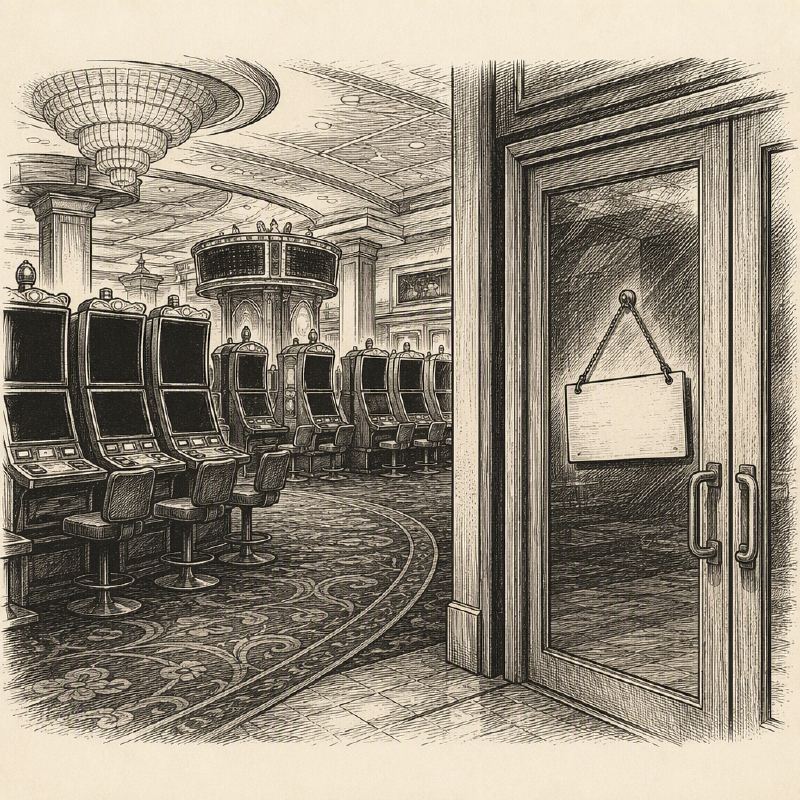
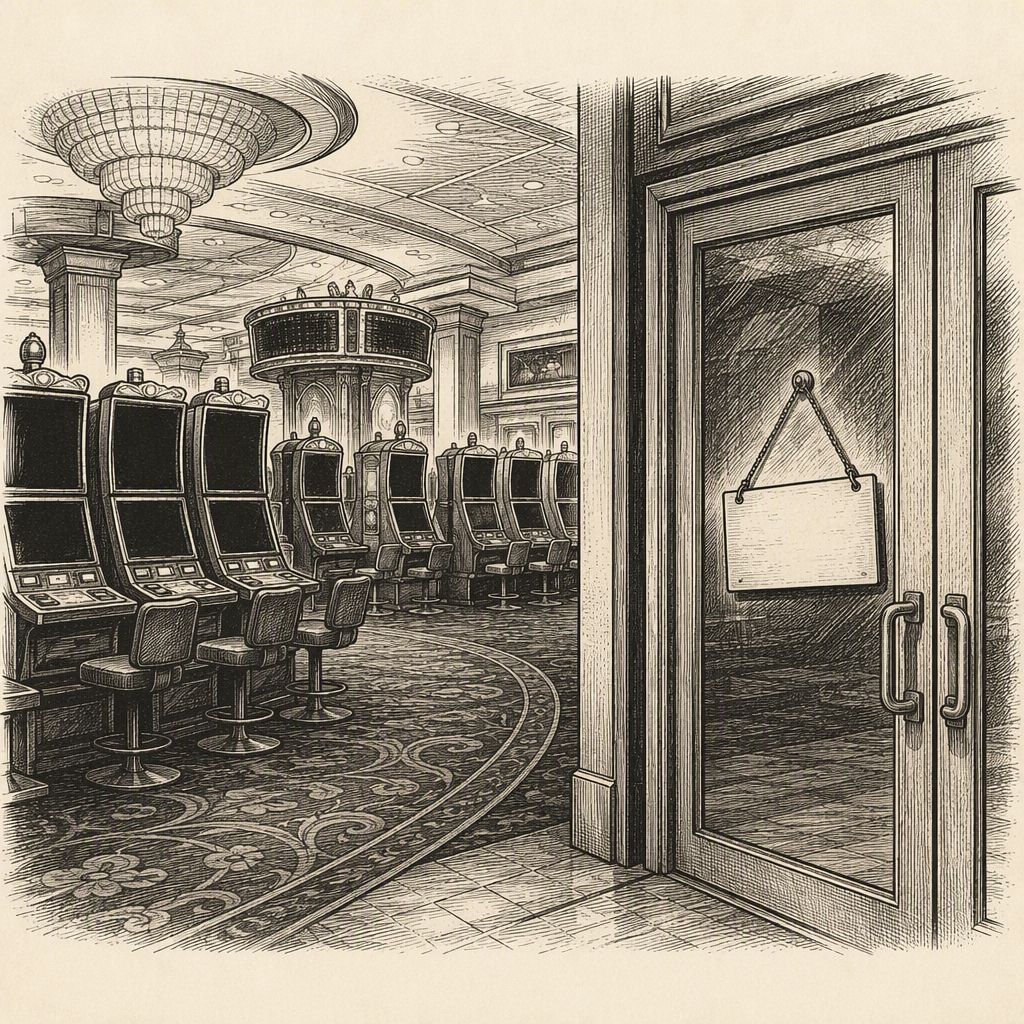
One of Slovenia’s largest gambling and tourism groups, Hit, has started the process of reopening its casinos after a significant cyberattack forced a complete shutdown of its gaming systems and other IT operations for several days.
The incident, detected early last week, impacted six Hit-operated casinos across Slovenia and Bosnia and Herzegovina, leading to their closure for approximately three days. While the company has managed to restore enough of its IT infrastructure to gradually bring the facilities back online, some core gaming functions and its customer loyalty system remain unavailable.
Guests were initially limited to playing slot machines as the company worked diligently to bring other systems and applications back to full operational capacity. Sandi Bratasevec, chairman of Hit’s management board, stated that "maintaining and further strengthening our IT infrastructure and security will remain one of the company’s development priorities going forward." However, as of Monday, the company’s website indicated that operations were still limited, with table games and bingo yet to be reinstated.
Details surrounding the cyberattack remain scarce. Hit has not disclosed the specific attack vector, the type of malware used, or whether any data was compromised or exfiltrated. The company has also not confirmed if a ransom was demanded or paid, citing an ongoing investigation. "We cannot publicly comment on any further details of the information security incident because the investigation is still ongoing," Hit stated.
The disruption had a tangible impact on daily operations, with reports of cash registers being affected and some customers receiving handwritten receipts. Hotel reception desks also experienced significant problems. In some instances, employees were temporarily furloughed due to the unavailability of essential systems required for normal casino operations, though these workers have since begun returning as systems come back online.
Slovenian police have confirmed they are aware of the incident and are actively investigating the cyberattack. The gaming and casino industry has long been a target for cybercriminals, with several high-profile incidents in recent years.
Notable attacks include the 2023 ransomware incidents affecting U.S. casino operators MGM Resorts International and Caesars Entertainment. MGM estimated a $100 million profit reduction from its incident, while Caesars disclosed the theft of customer loyalty program data. More recently, Bragg Gaming Group also reported an attack that disrupted its computer systems.
This incident underscores the persistent threat landscape facing the hospitality and gaming sectors, highlighting the critical need for robust cybersecurity measures to protect sensitive data and ensure operational continuity.