
Six Vulnerabilities in Dorsett Controls InfoScan Expose Sensitive Data and Credentials
CISA has issued an advisory detailing six critical vulnerabilities in Dorsett Controls InfoScan, versions prior to 1.46.0, which could allow attackers to access sensitive information, credentials, and manipulate network communications.
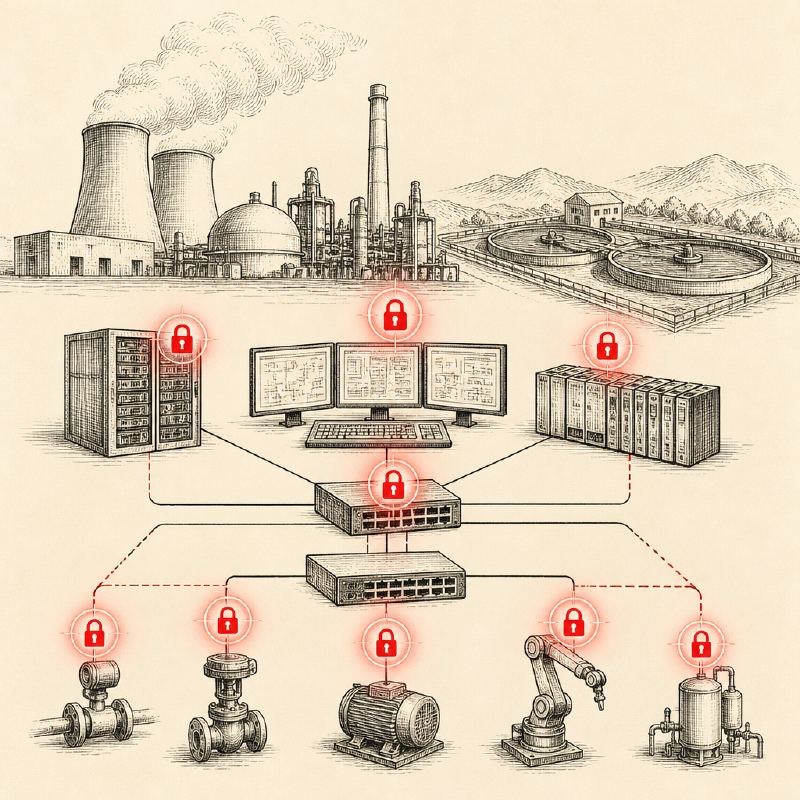
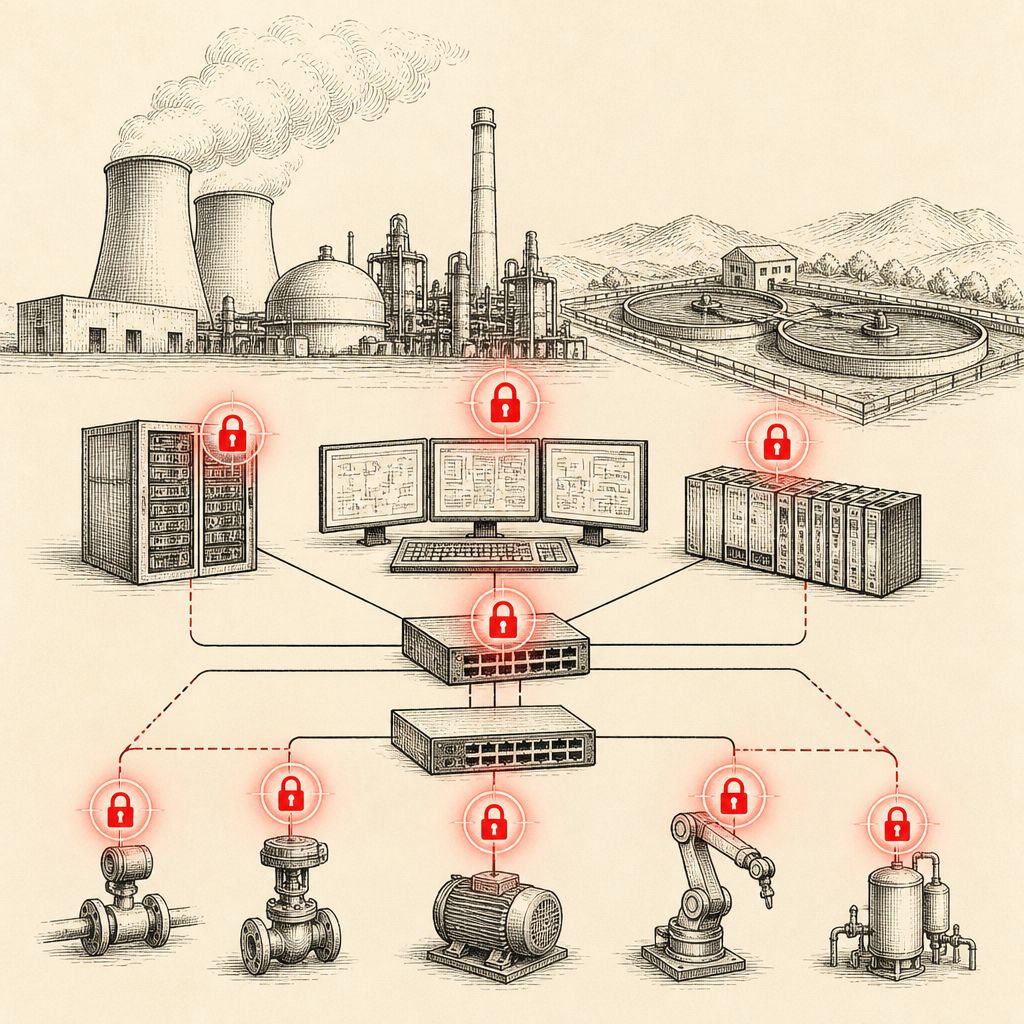
CISA has released an advisory detailing six significant vulnerabilities affecting Dorsett Controls InfoScan software, specifically versions 1.45.0 and earlier. These flaws, collectively rated with a CVSS v3.1 base score of 8.1 (HIGH), pose a substantial risk to organizations operating in critical infrastructure sectors, including water and wastewater systems, with deployments worldwide.
The vulnerabilities stem from several weaknesses, including improper certificate validation, exposure of sensitive system information, the use of hard-coded cryptographic keys, missing authentication for critical functions, and the generation of error messages containing sensitive information. Successful exploitation could lead to a range of malicious activities, from retrieving sensitive system data and accessing application data without authorization to recovering stored credentials and intercepting or manipulating network communications.
One of the key vulnerabilities, CVE-2026-117659, involves the InfoScan Electron desktop client's improper handling of TLS certificate errors. The client accepts untrusted certificates without proper validation, and with insecure configurations like nodeIntegration enabled and contextIsolation disabled, it weakens the application's security boundaries. This allows an attacker capable of intercepting network traffic to present a fraudulent certificate, potentially leading to man-in-the-middle attacks.
Another critical finding, CVE-2026-120157, relates to the publicly distributed InfoScan Electron installer. This installer contains configuration files that reveal hostnames associated with customer installations and internal development, testing, and database infrastructure. Threat actors can inspect the installer to extract this sensitive information without needing any form of authentication.
Furthermore, CVE-2026-120255 highlights the use of hard-coded cryptographic keys and initialization-vector values within InfoScan's database encryption. These hard-coded values are used to encrypt MongoDB passwords before storing them in the Windows registry. An attacker with access to the encrypted registry value and the application code could potentially recover the database password, granting them access to sensitive data.
Dorsett Controls has addressed these vulnerabilities by recommending an update to version 1.46 or higher. Users can install the security patch by logging into InfoScan, navigating to System Maintenance, selecting 'Check for Updates,' and clicking 'Install Now.' For offline customers, the update must be downloaded from the Dorsett Controls Customer Portal. The advisory emphasizes the importance of timely patching to mitigate the risks associated with these critical flaws.