
Six Critical F5 BIG-IP Vulnerabilities Threaten Service Availability and Code Execution
F5 has issued emergency patches for six critical vulnerabilities in its BIG-IP platform, which could allow unauthenticated attackers to disrupt services or execute malicious code.
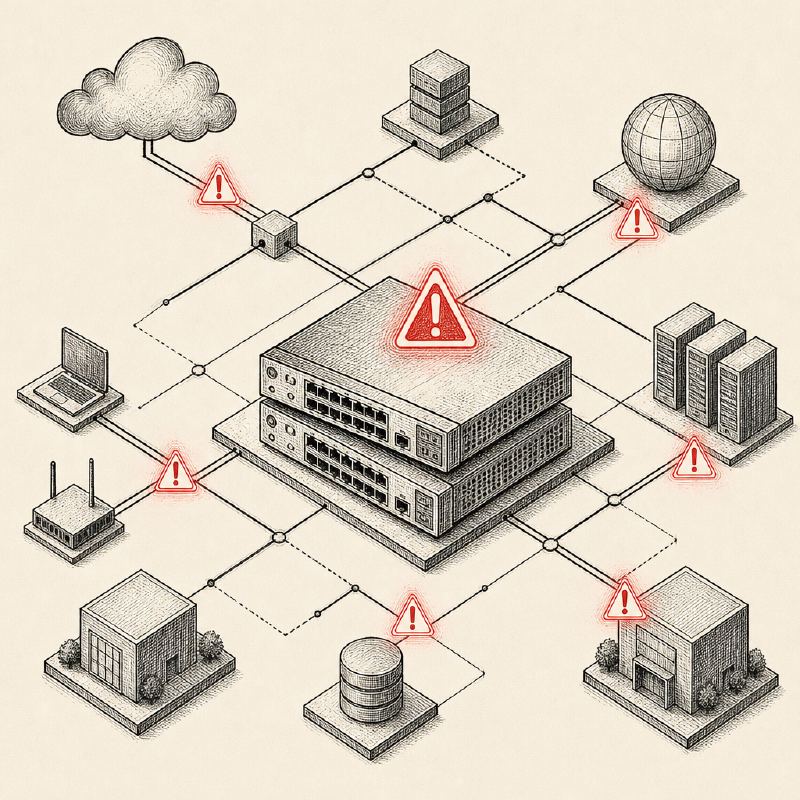
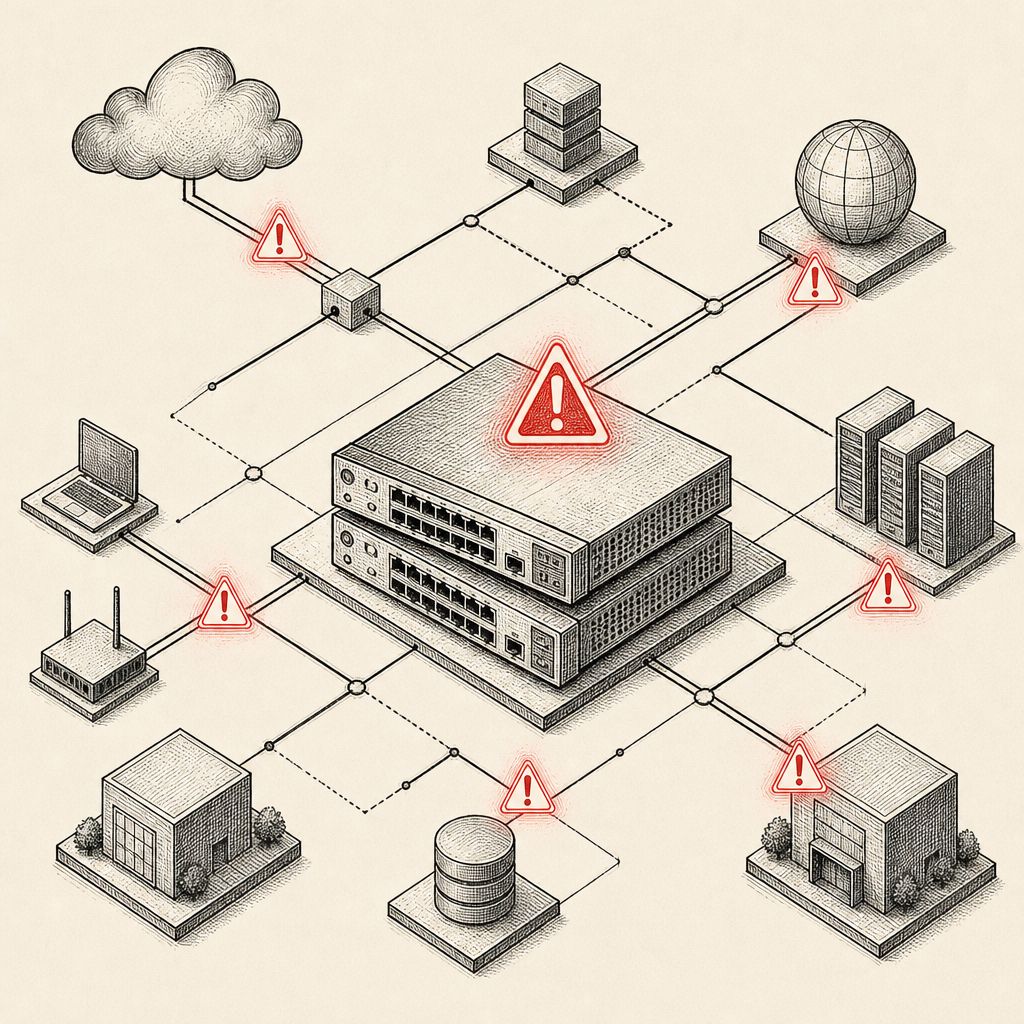
F5 has released urgent security updates to address six critical vulnerabilities affecting its BIG-IP network traffic management system. These flaws, disclosed on November 18th, pose a significant risk, potentially allowing remote attackers to cause denial-of-service conditions by crashing traffic management processes, thereby disrupting websites and other critical services. In some cases, attackers may also gain the ability to execute malicious code on the affected devices.
These vulnerabilities are classified as "data-plane" flaws, meaning they impact the core functionality responsible for handling live network traffic, rather than the administrative interface. Consequently, even if the management interface is secured and not exposed to the internet, services relying on a vulnerable BIG-IP device can still be rendered unavailable. The impact can be widespread, affecting not only web servers but also remote access portals and other applications that depend on BIG-IP for traffic management.
Five of the six critical vulnerabilities (CVE-2026-120285, CVE-2026-120292, CVE-2026-116953, CVE-2026-120722, and CVE-2026-121805) are related to iRules, a scripting language used to customize BIG-IP traffic handling. These flaws can also affect BIG-IP Next for Kubernetes and BIG-IP Cloud-Native Network Functions. The sixth critical vulnerability (CVE-2026-123637) impacts specific configurations of the BIG-IP Access Policy Manager (APM) when certain agents are used in per-request policies.
F5 has emphasized that no workarounds are available for these critical issues, making immediate patching essential. The company has provided detailed hotfix information for various BIG-IP TMOS versions, including 17.1.x, 17.5.x, and 21.1.x, as well as for BIG-IP Next and Cloud-Native Network Functions. Administrators are advised to consult the specific CVE advisories for their product versions and configurations to apply the correct patches.
While F5 reported no active exploitation of these specific vulnerabilities at the time of disclosure, the severity and potential impact necessitate prompt action. This situation contrasts with the earlier BIG-IP OAuth zero-day vulnerability reported in September, which was already being exploited in the wild. The nature of these new flaws, involving memory corruption, differs from previous denial-of-service vulnerabilities that relied on resource exhaustion.
Organizations deploying BIG-IP are urged to prioritize patching these vulnerabilities, starting with internet-facing virtual servers and those handling critical services. It is crucial to verify the full installed build before applying updates and to test patches in a non-production environment where possible. Post-deployment verification should confirm that services are accessible to users, as a successful login to the management interface does not guarantee that live traffic is flowing correctly.
This incident underscores the ongoing challenges in securing complex network infrastructure. F5 BIG-IP devices are critical components in many enterprise environments, and vulnerabilities in these systems can have far-reaching consequences. The vendor's rapid release of emergency patches highlights the severity of the discovered flaws and the potential for widespread disruption.