
Single IP Address Fuels Surge in Attacks on Taiwanese Websites
A concentrated scanning campaign originating from a single IP address, 45.38.60.254, has led to a threefold increase in attacks targeting Taiwanese (.tw) websites since late October 2026.

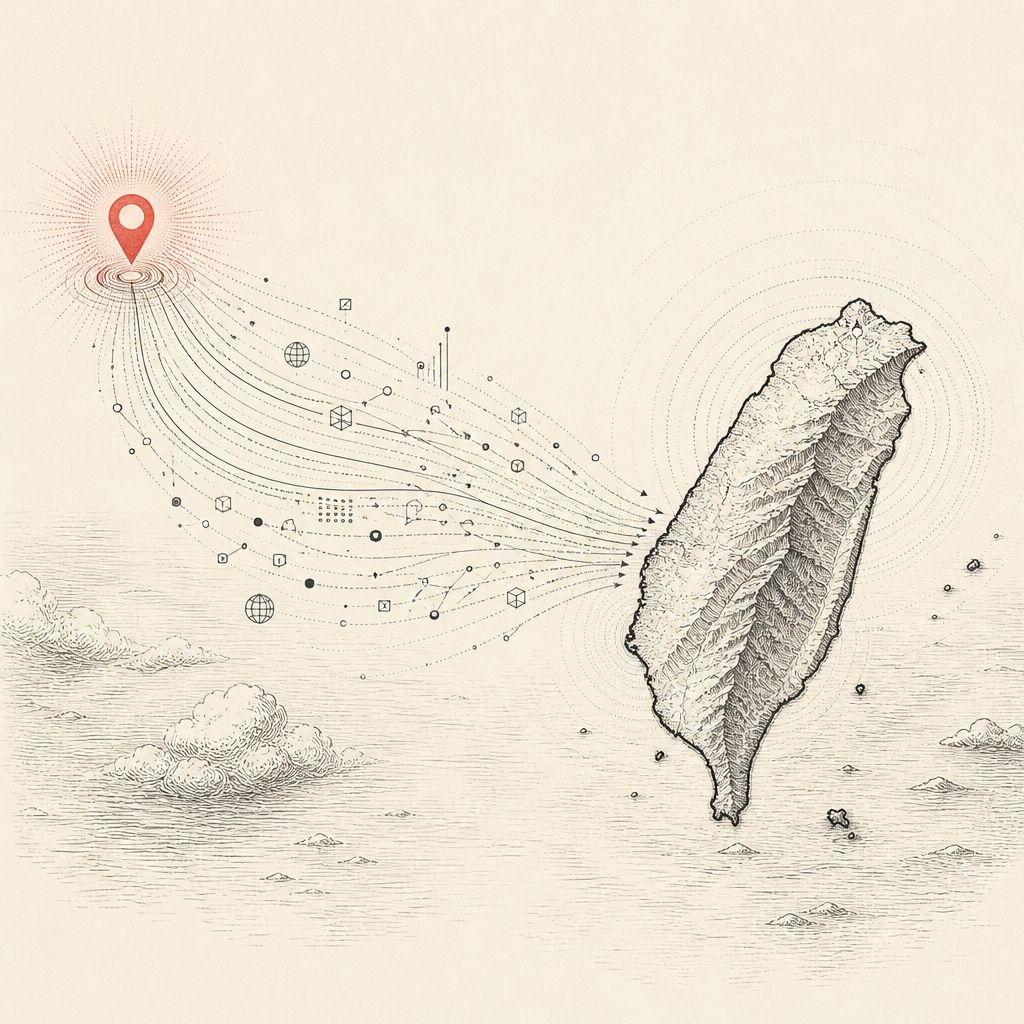
A significant spike in cyberattacks targeting Taiwanese websites (.tw) has been observed since late October 2026, with security researchers tracing the surge to a single, dedicated IP address: 45.38.60.254. Wordfence Threat Intelligence reported a threefold increase in the daily number of .tw websites experiencing attacks, a trend not mirrored in neighboring Asian countries like Japan, South Korea, or Hong Kong. This focused activity suggests a deliberate campaign to probe and exploit vulnerabilities within Taiwan's online infrastructure.
The scanner, identified by its IP address, began its activity on October 26th, 2026. Over the subsequent weeks, the Wordfence Firewall logged and blocked more than 246,000 malicious requests originating from this single source. The majority of these blocked requests, specifically 82.7%, were attempts to exploit vulnerabilities through malicious file uploads, indicating a primary focus on gaining unauthorized access via this vector. Other attack attempts included SQL injection, with a notable increase in blocked requests for this type of exploit as well.
Analysis of the attack data reveals that the threat actor behind 45.38.60.254 was primarily engaged in reconnaissance. The requests were designed to map out Taiwanese websites, particularly those running WordPress, in search of known vulnerabilities. The payloads observed in the blocked malicious file uploads did not contain sophisticated web shells or backdoors. Instead, they consisted of simple PHP snippets intended to confirm successful file uploads by echoing a hash, a common technique for validating exploitability without immediately deploying malicious code.
The vulnerabilities being targeted by this scanner are not new, with identified CVEs ranging from 2017 to 2024. This suggests the attacker is leveraging a collection of known exploits against potentially unpatched or misconfigured systems. The generic nature of the blocked requests implies that the scanner is attempting to exploit a wide range of common vulnerabilities rather than a single, zero-day flaw. The attacker's focus on .tw domains, with minimal activity observed on other Asian TLDs, further underscores the targeted nature of this campaign.
Wordfence's analysis compared attack data across several Asian country-code top-level domains (.tw, .jp, .kr, .hk, .sg, .cn) between September 1st and November 15th, 2026. While most domains showed consistent attack levels, the .tw domain experienced a dramatic increase. Specifically, the number of .tw websites affected by Malicious File Upload attempts rose by 3.25 times, and SQL Injection attempts increased by 2.77 times compared to the pre-campaign baseline. This stark contrast highlights the localized impact of the scanning activity.
While the intense scanning activity from 45.38.60.254 appeared to peak around mid-November, dropping significantly after November 14th, the implications remain. The campaign demonstrates the effectiveness of a single, persistent threat actor in overwhelming defenses and identifying vulnerable targets within a specific geographic or domain-based region. The reliance on known vulnerabilities also serves as a reminder for organizations to maintain robust patch management and security configurations.
The data collected by Wordfence provides valuable insights into the tactics, techniques, and procedures of attackers targeting specific online communities. The focused nature of this campaign, originating from a single IP and targeting a particular TLD, underscores the need for localized threat intelligence and proactive defense strategies. Organizations, especially those operating under the .tw domain, should review their security postures and ensure all systems are up-to-date against known vulnerabilities.