
Siemens Simcenter Femap Vulnerable to Out-of-Bounds Read
Siemens Simcenter Femap is affected by an out-of-bounds read vulnerability (CVE-2026-64629) that could lead to application crashes or arbitrary code execution.
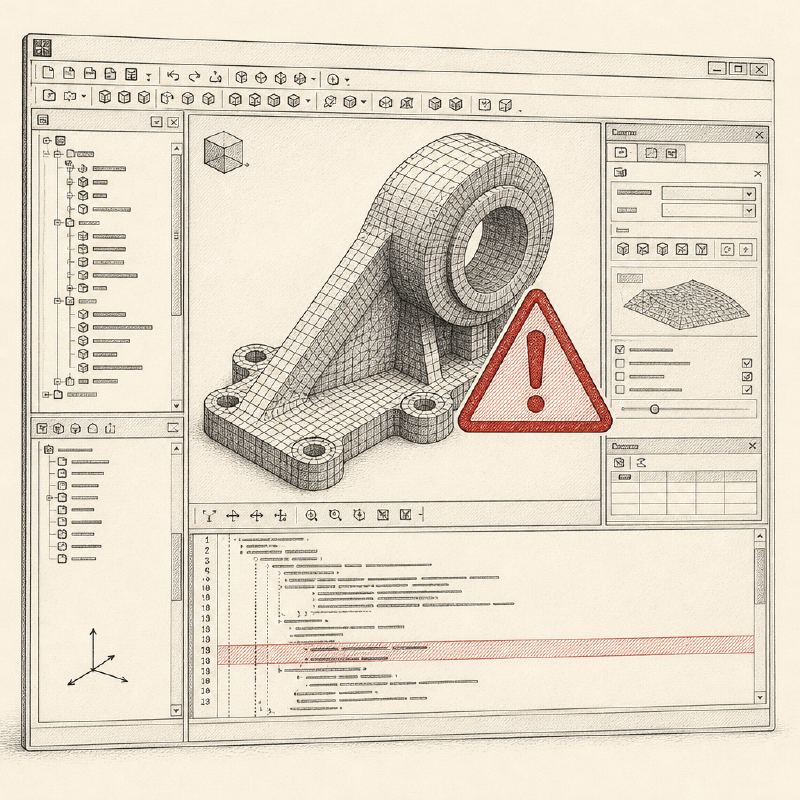
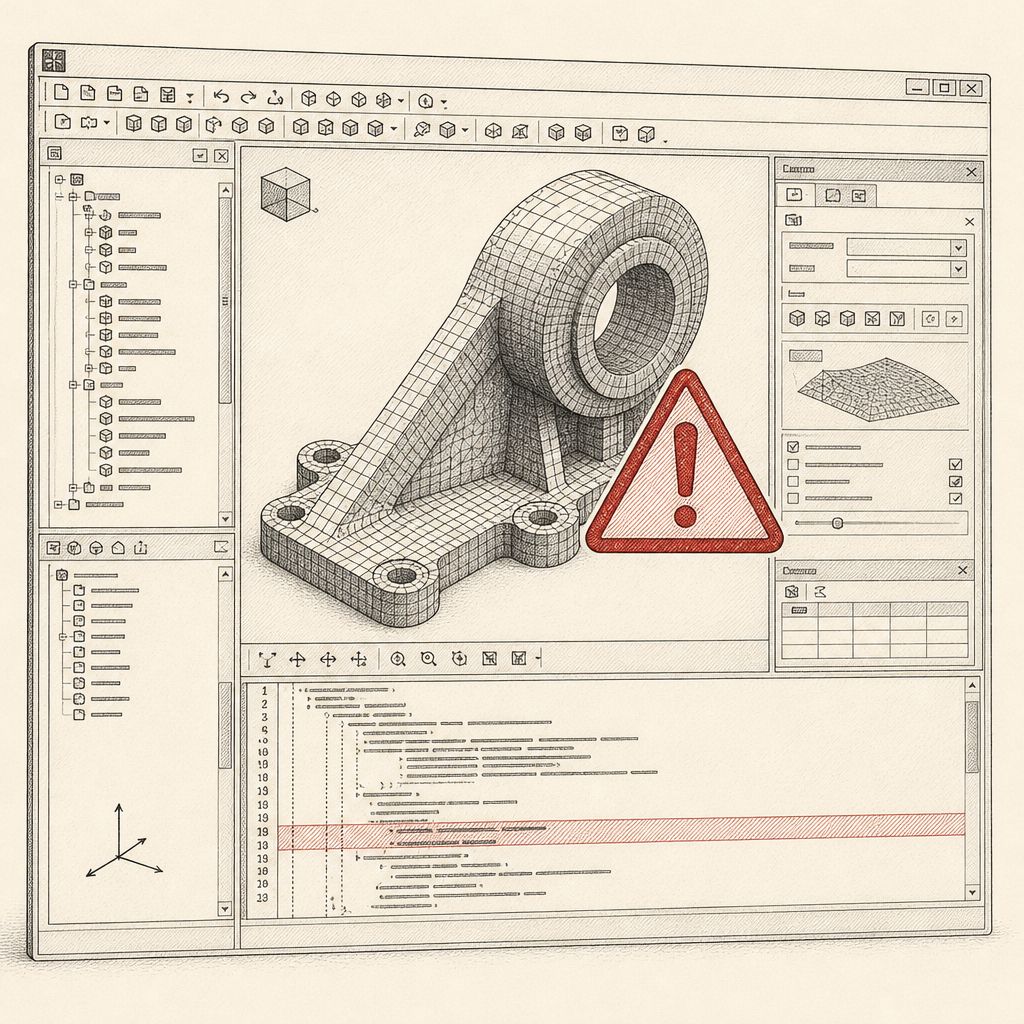
Siemens has issued a security advisory detailing a critical vulnerability in its Simcenter Femap software, identified as CVE-2026-64629. This flaw resides in the application's handling of X_T files, a format used for data exchange.
The vulnerability is classified as an out-of-bounds read. It can be triggered when the Simcenter Femap application parses specially crafted X_T files. Successful exploitation could allow an attacker to cause the application to crash, potentially leading to a denial-of-service condition. More critically, under certain circumstances, this flaw could be leveraged to achieve arbitrary code execution within the context of the current process.
The affected versions of Simcenter Femap are those prior to V2606.0002. The vulnerability has a CVSS v3 base score of 7.8, categorizing it as HIGH severity. The attack vector is local (AV:L), requiring no privileges (PR:N), and user interaction (UI:R) is necessary, meaning a user must open a malicious file for the exploit to succeed.
Siemens has addressed this vulnerability by releasing an update. Users are strongly recommended to update their Simcenter Femap installations to version V2606.0002 or a later release to mitigate the risk. The company also advises general security best practices, including protecting network access to devices and configuring environments according to their operational guidelines for Industrial Security.
This vulnerability was reported to CISA by Siemens ProductCERT. The advisory highlights that the affected software is deployed worldwide across critical infrastructure sectors, including critical manufacturing. The potential for arbitrary code execution underscores the importance of timely patching and robust security measures for industrial control systems.
CISA recommends that organizations implement defensive measures to minimize the risk of exploitation. These include minimizing network exposure for control system devices, isolating them from business networks, and using secure remote access methods like VPNs, ensuring those are also kept up-to-date. Organizations should conduct thorough impact and risk assessments before deploying any defensive strategies.
This advisory serves as a reminder of the ongoing security challenges within the industrial software landscape. Vulnerabilities in specialized engineering and design software can have significant downstream impacts, potentially affecting the integrity and availability of critical operational technology (OT) systems. Proactive security management and prompt application of vendor-provided patches are essential for maintaining a secure operational environment.