
Siemens SIMATIC S7 Library Vulnerabilities Allow File Overwrite and Password Exposure
Two vulnerabilities in Siemens' .NET Client Library for SIMATIC S7 Webserver API could permit attackers to write arbitrary files and expose PLC restore passwords.
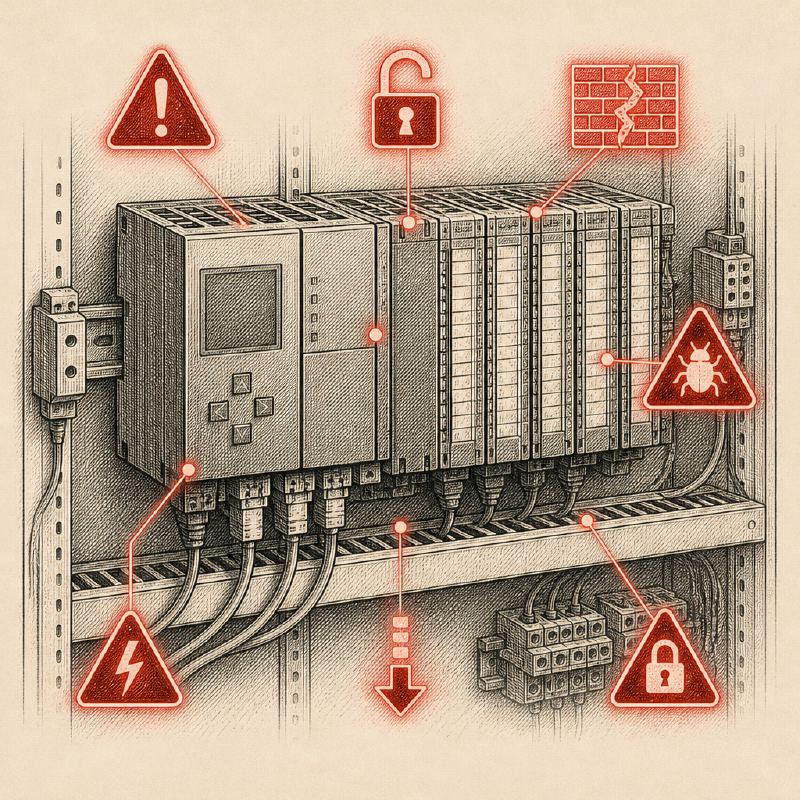
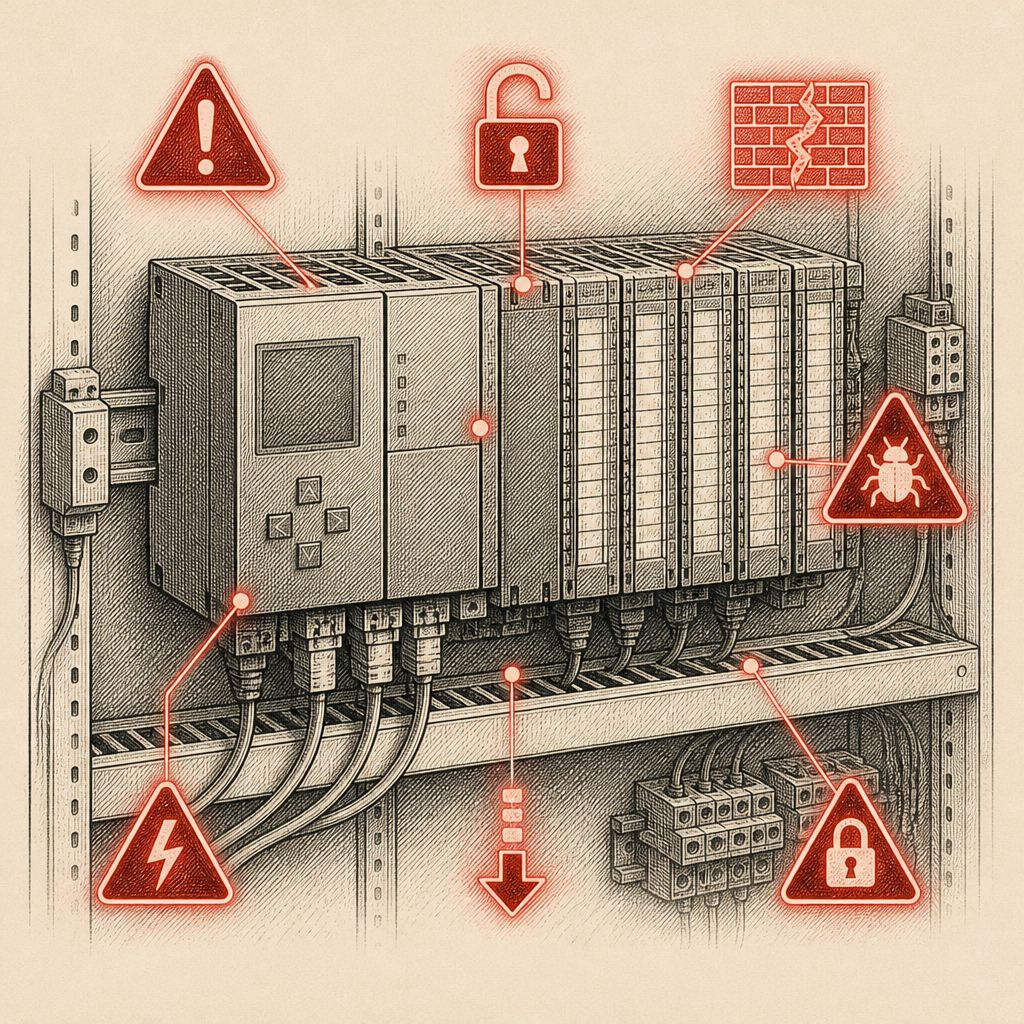
Siemens has issued a security advisory detailing two critical vulnerabilities affecting its .NET Client Library for SIMATIC S7 Webserver API. The flaws, identified as CVE-2026-85114 and CVE-2026-85115, could enable attackers to gain unauthorized access to sensitive information or overwrite critical system files.
CVE-2026-85114 is a path traversal vulnerability. It arises from improper validation of filenames during ticket downloads. An attacker who can manipulate the ticket response could potentially write arbitrary files to locations outside the intended download directory. If file overwriting is enabled, this could lead to the replacement of existing files accessible by the application, potentially leading to system compromise or denial of service.
The second vulnerability, CVE-2026-85115, involves the generation of error messages containing sensitive information. Specifically, affected applications fail to properly redact PLC restore passwords from HTTP error exception messages. Attackers who gain access to logs or diagnostic output could obtain these plaintext passwords, which could then be used to perform unauthorized operations on the Programmable Logic Controller (PLC).
These vulnerabilities affect versions of the .NET Client Library for SIMATIC S7 Webserver API prior to V3.3.61 and V3.3.62. The path traversal flaw (CVE-2026-85114) has a CVSS score of 7.5, rated HIGH, while the sensitive information disclosure vulnerability (CVE-2026-85115) has a CVSS score of 5.5, rated MEDIUM.
Siemens has released updated versions of the library to address these issues. Users are strongly advised to update to version V3.3.61 or later for CVE-2026-85114, and to V3.3.62 or later for CVE-2026-85115. The company also recommends general security measures, including protecting network access to devices and configuring environments according to Siemens' operational guidelines for Industrial Security.
CISA has echoed these recommendations, urging organizations to minimize network exposure for control system devices, isolate them from business networks, and use secure remote access methods like VPNs. The advisory highlights the ongoing challenges in securing industrial control systems, where vulnerabilities can have significant operational and safety impacts.
The vulnerabilities were reported to CISA by Siemens ProductCERT. This advisory serves as a republication of Siemens' own Common Security Advisory Framework (CSAF) advisory, aiming to increase visibility for these critical issues within the industrial control systems sector.