
Siemens RUGGEDCOM APE1808 Vulnerable to FortiOS Double Free Flaw
Siemens RUGGEDCOM APE1808 devices are affected by a Double Free vulnerability in FortiOS, potentially allowing local authenticated attackers to crash critical daemons.
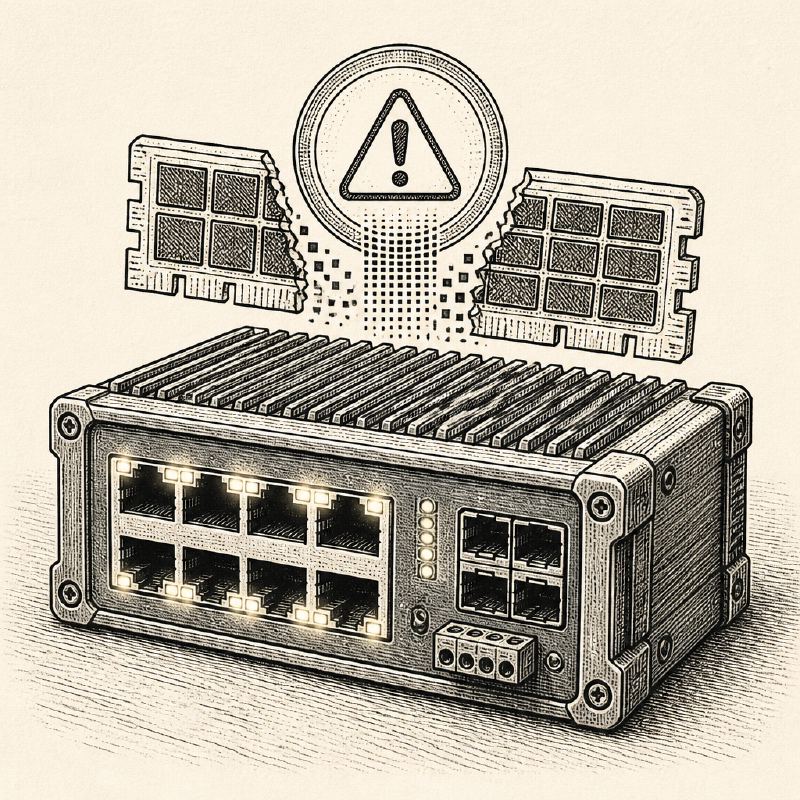
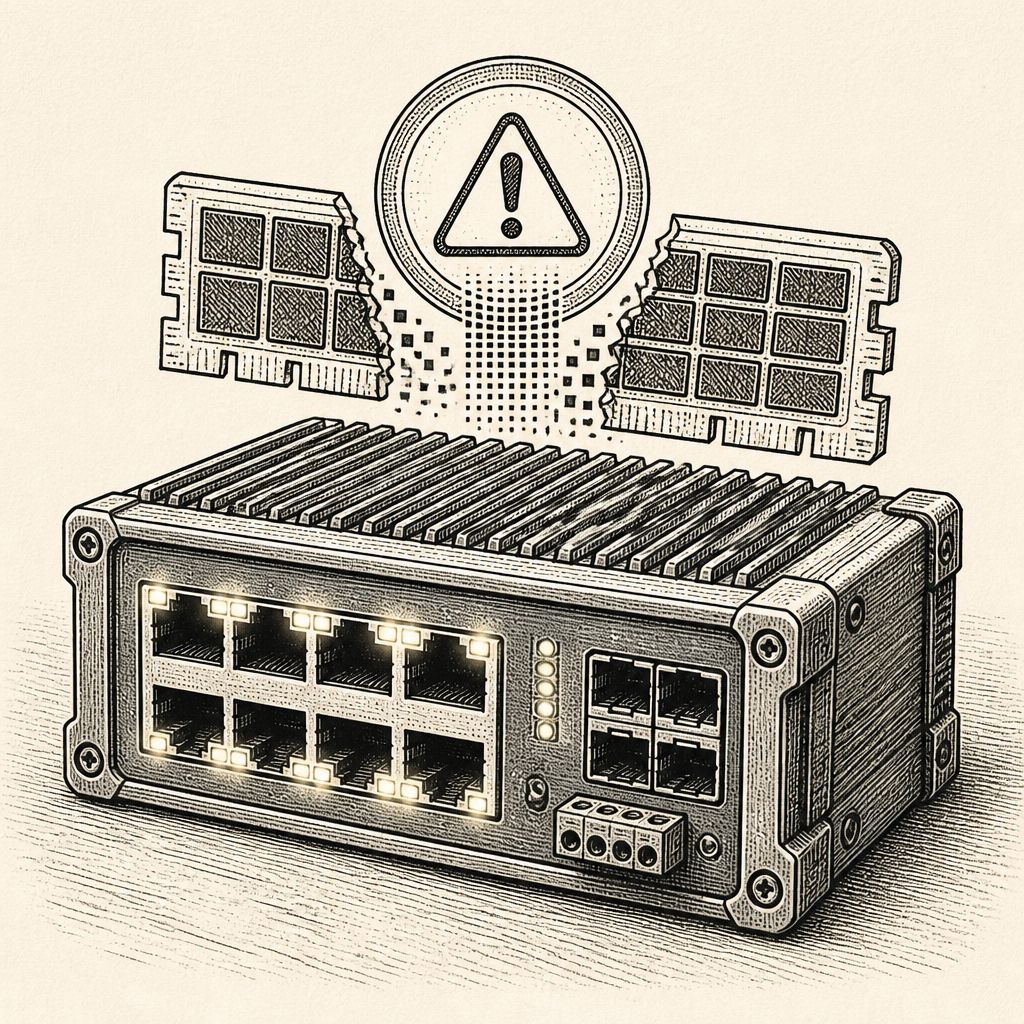
Siemens has issued a security advisory detailing a Double Free vulnerability affecting its RUGGEDCOM APE1808 industrial devices. The vulnerability, identified as CVE-2026-106175, resides within the FortiOS operating system, which is integrated into these Siemens products. This flaw could permit a local attacker, who has already gained authenticated access, to cause a denial-of-service condition by crashing the 'newcli' daemon.
The Double Free vulnerability (CWE-415) arises when a program attempts to free the same memory location twice. This can lead to memory corruption, unpredictable program behavior, and potentially system instability or crashes. In this specific instance, the vulnerability is triggered through crafted Command Line Interface (CLI) commands, suggesting that an attacker with existing access could exploit this to disrupt the device's operation.
The affected product is the Siemens RUGGEDCOM APE1808, with all versions listed as vulnerable. The Common Vulnerability Scoring System (CVSS) v3.1 base score for this vulnerability is a low 2.3, indicating a limited impact primarily related to availability. However, given the critical nature of industrial control systems, even a low-severity vulnerability can have significant consequences if exploited in an operational environment.
Siemens is recommending that users update their Fortigate NGFW (Next-Generation Firewall) to version V7.6.9 or later. This update addresses the underlying FortiOS vulnerability. Users are advised to follow the secure update recommendation procedure and to contact Siemens customer support for detailed information regarding the patching process and specific guidance for their RUGGEDCOM APE1808 devices.
In addition to the vendor-specific remediation, CISA is reinforcing general cybersecurity best practices for Industrial Control Systems (ICS). These include minimizing network exposure for control system devices, ensuring they are not accessible from the internet, and isolating them from business networks behind firewalls. Secure remote access methods, such as VPNs, are also recommended, with the caveat that VPNs themselves must be kept up-to-date.
Siemens itself strongly advises protecting network access to its devices with appropriate mechanisms. The company also directs users to its operational guidelines for Industrial Security and product manuals for further recommendations on operating devices within a protected IT environment. Organizations are encouraged to perform thorough impact analyses and risk assessments before implementing any defensive measures.
This advisory was reported to CISA by Siemens ProductCERT. The vulnerability underscores the interconnectedness of security in modern industrial environments, where vulnerabilities in third-party software components, like FortiOS, can directly impact the security posture of specialized industrial hardware.