
Siemens meta-iot2050 Firmware Vulnerable to Command Injection
Siemens' meta-iot2050 industrial IoT gateway is susceptible to a command injection vulnerability, allowing attackers to execute arbitrary code as root by manipulating configuration files.
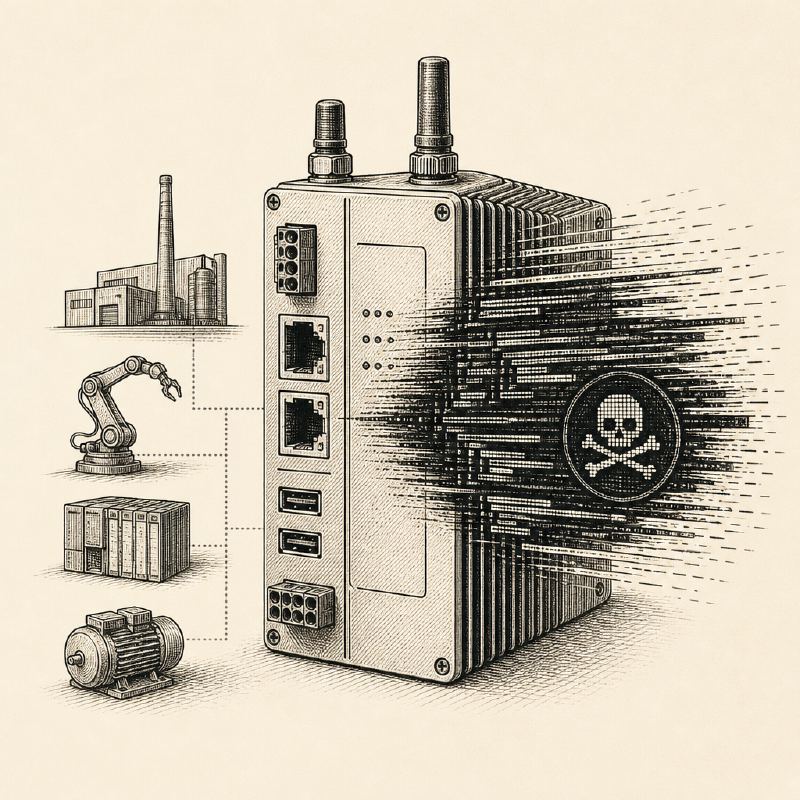
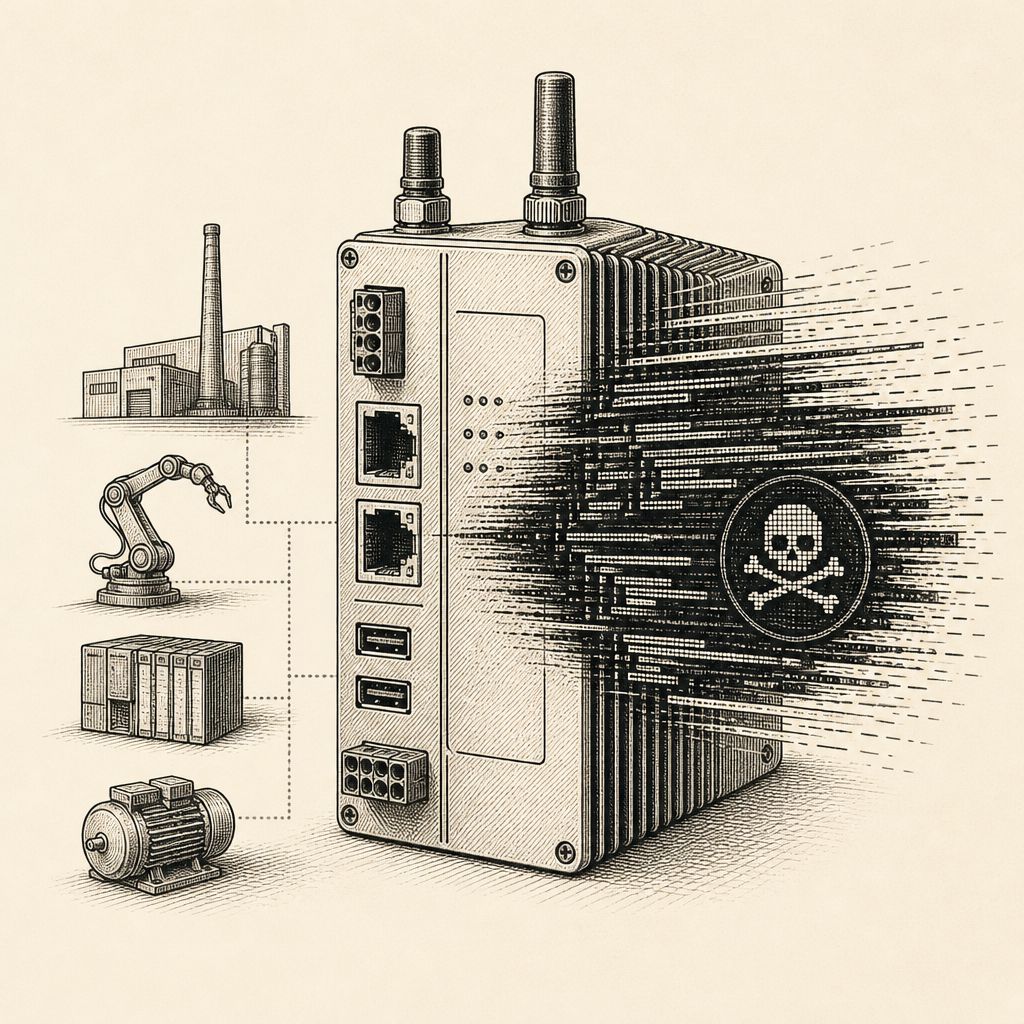
Siemens has disclosed a critical command injection vulnerability affecting its meta-iot2050 industrial IoT gateway. The flaw, identified as CVE-2026-109830, resides within the firmware update tool and could permit an attacker with the ability to manipulate configuration files to execute arbitrary commands with root privileges on the affected device.
The vulnerability stems from the way affected devices process configuration files. Specifically, the firmware update tool takes parts of a configuration file and executes them without proper validation. This oversight creates an avenue for attackers to inject malicious commands, leading to a complete compromise of the device.
The affected product is the Siemens meta-iot2050, with firmware versions V01.03.01 and later being vulnerable. The Common Vulnerability Scoring System (CVSS) has assigned a base score of 7.3 (HIGH) to this vulnerability, with a vector string of CVSS:3.1/AV:L/AC:L/PR:L/UI:R/S:U/C:H/I:H/A:H. The vulnerability is categorized under CWE-78, Improper Neutralization of Special Elements used in an OS Command ('OS Command Injection').
Siemens ProductCERT reported the vulnerability to CISA, and it impacts critical infrastructure sectors including Critical Manufacturing, Energy, and Information Technology, with potential deployment worldwide. While no fix is currently available, Siemens is actively preparing patches. In the interim, the company strongly recommends protecting network access to devices using appropriate mechanisms and adhering to Siemens' operational guidelines for Industrial Security.
As general security measures, CISA advises organizations to minimize network exposure for all control system devices, ensuring they are not accessible from the internet. Isolating control system networks behind firewalls and using secure remote access methods like VPNs are also recommended. Organizations should conduct thorough impact analyses and risk assessments before implementing any defensive measures.
This advisory highlights the ongoing challenges in securing industrial control systems and IoT devices, where vulnerabilities can have significant consequences for critical infrastructure operations. The ability for an attacker to execute arbitrary commands as root underscores the severity of this flaw, emphasizing the need for prompt patching and robust network segmentation.