
Siemens Mendix Studio Pro Vulnerabilities Allow Remote Interaction and CSRF
Siemens Mendix Studio Pro contains critical vulnerabilities in its MCP Server that could allow remote attackers to access data, execute tools, or compromise systems.
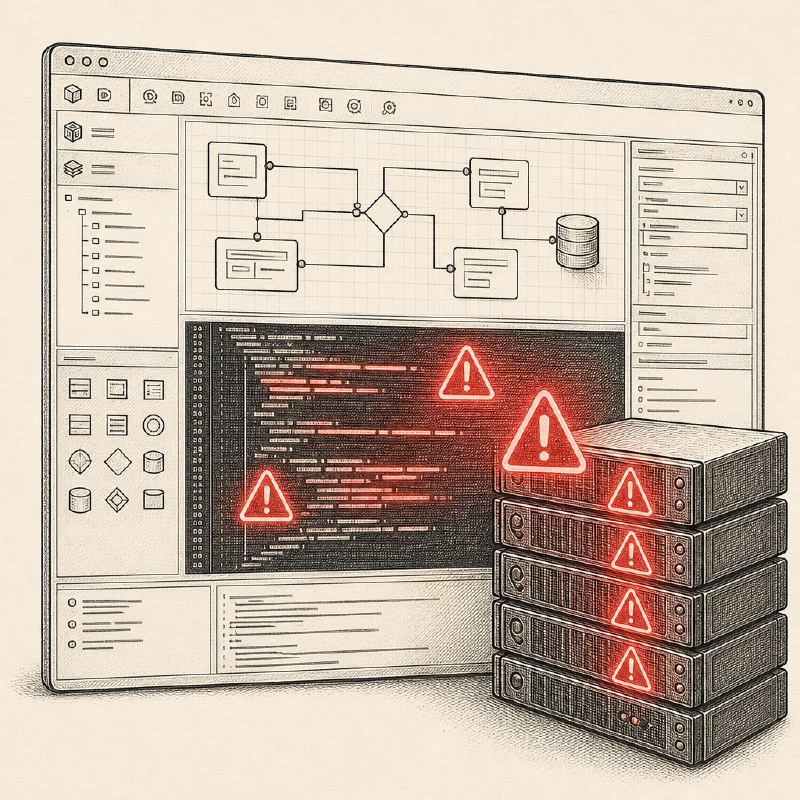
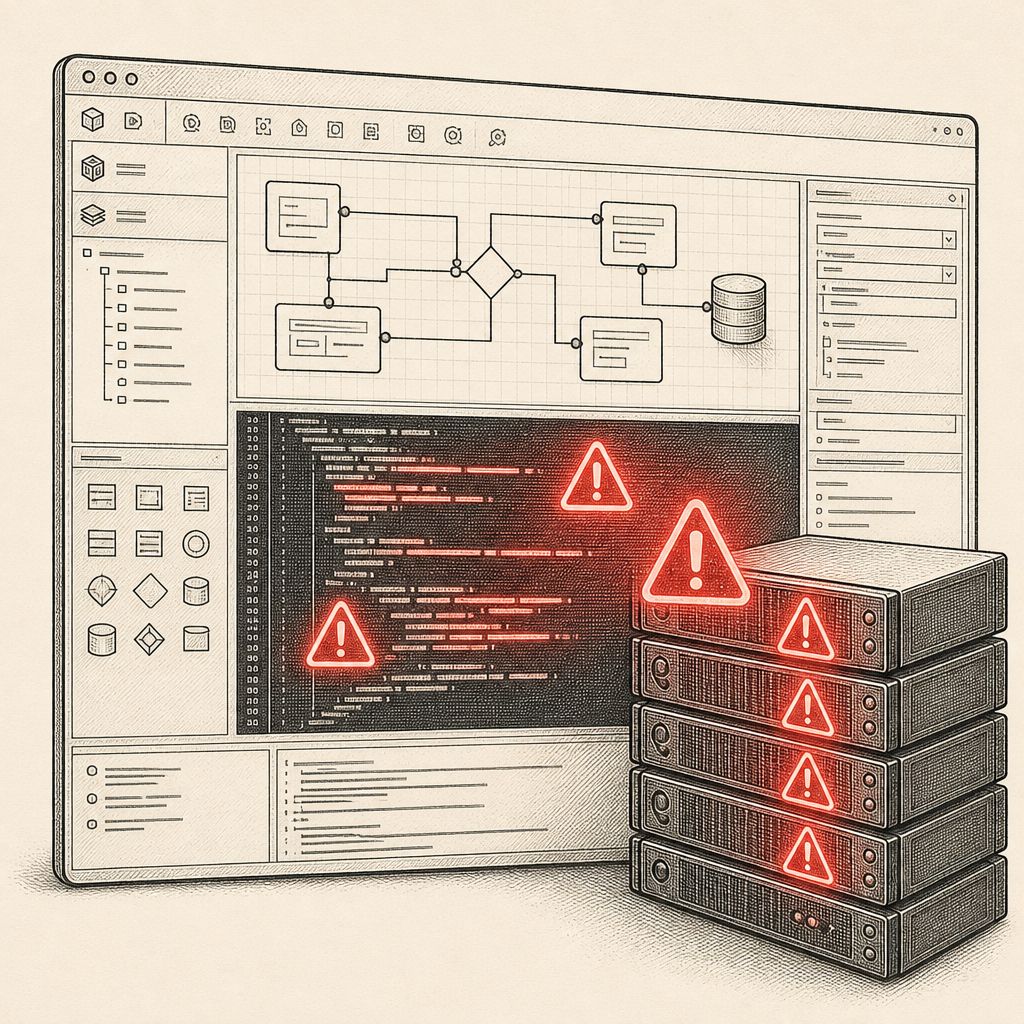
Siemens has issued a security advisory detailing two critical vulnerabilities within its Mendix Studio Pro development platform. The flaws, identified as CVE-2026-112136 and CVE-2026-112137, reside in the MCP Server component and could permit an attacker with network access to interact with the server remotely or trick a user's browser into executing unauthorized requests.
The first vulnerability, CVE-2026-112136, stems from the MCP Server's failure to properly restrict its HTTP listener to the loopback interface. This oversight potentially exposes the server to remote systems, enabling an attacker with network access to communicate with it directly. This could lead to unauthorized data access or the execution of unintended commands.
Compounding the risk, CVE-2026-112137 involves improper validation of Content-Type and Origin headers on incoming HTTP requests. This vulnerability makes the MCP Server susceptible to Cross-Site Request Forgery (CSRF) attacks. A malicious web page could exploit this by tricking a user's browser into sending unauthorized requests to the local MCP Server, potentially leading to system compromise or unauthorized actions.
These vulnerabilities affect specific versions of Mendix Studio Pro 11, including versions ranging from 11.15.0 up to, but not including, 11.16.0, and versions 11.12.6 up to, but not including, 11.12.7. The critical nature of these flaws is reflected in their CVSS v3.1 base score of 8.8, classifying them as HIGH severity.
Siemens has provided updated versions of Mendix Studio Pro to address these issues. Users are strongly advised to update to version 11.16.0 or later for the affected 11.15.x branch, and to version 11.12.7 or later for the 11.12.x branch. In addition to updating, Siemens recommends maintaining strict inbound firewall policies to block external traffic on port 7782, which is the default for the MCP Server. If remote access is necessary, it should be secured via a VPN or SSH tunnel.
For users of modern browsers, Siemens suggests utilizing Chromium- or WebKit-based browsers with Private Network Access protections enabled. Browser extensions that block external websites from issuing fetch requests to localhost can also serve as a mitigation. These measures, alongside prompt patching, are crucial for protecting development environments from potential exploitation.
The advisory highlights the importance of securing development tools, as compromised development environments can have cascading effects on the security of applications built with them. The vulnerabilities were reported to CISA by Siemens ProductCERT, underscoring the collaborative effort in identifying and mitigating threats within industrial control systems and development platforms.