
Shipping Rebate Scams Trick Consumers into Recurring Subscriptions
Malwarebytes research reveals a network of deceptive websites, masquerading as shipping rebate services, that secretly enroll users in costly auto-renewing subscriptions.
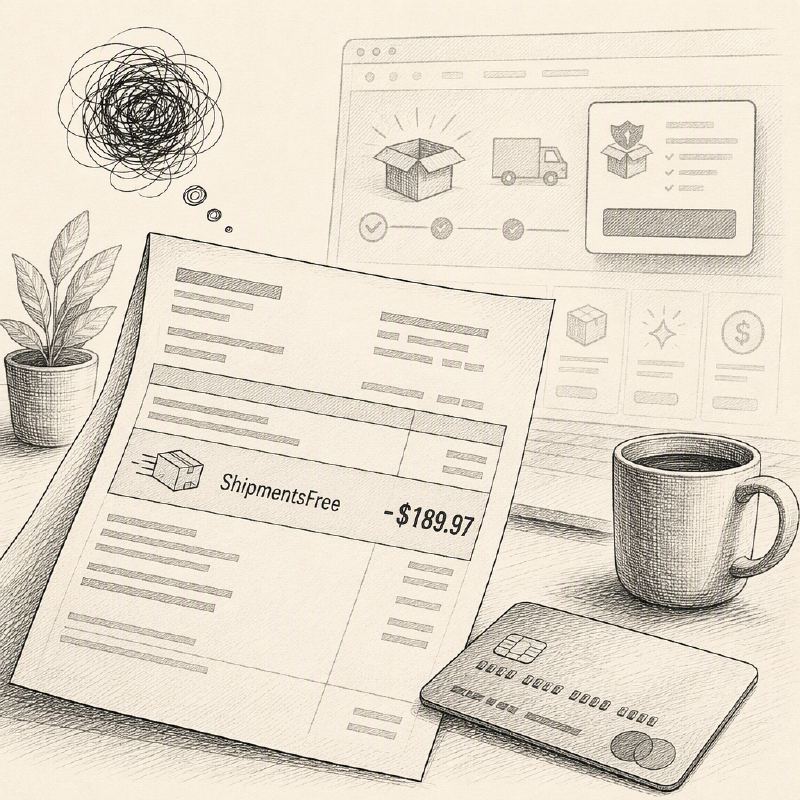
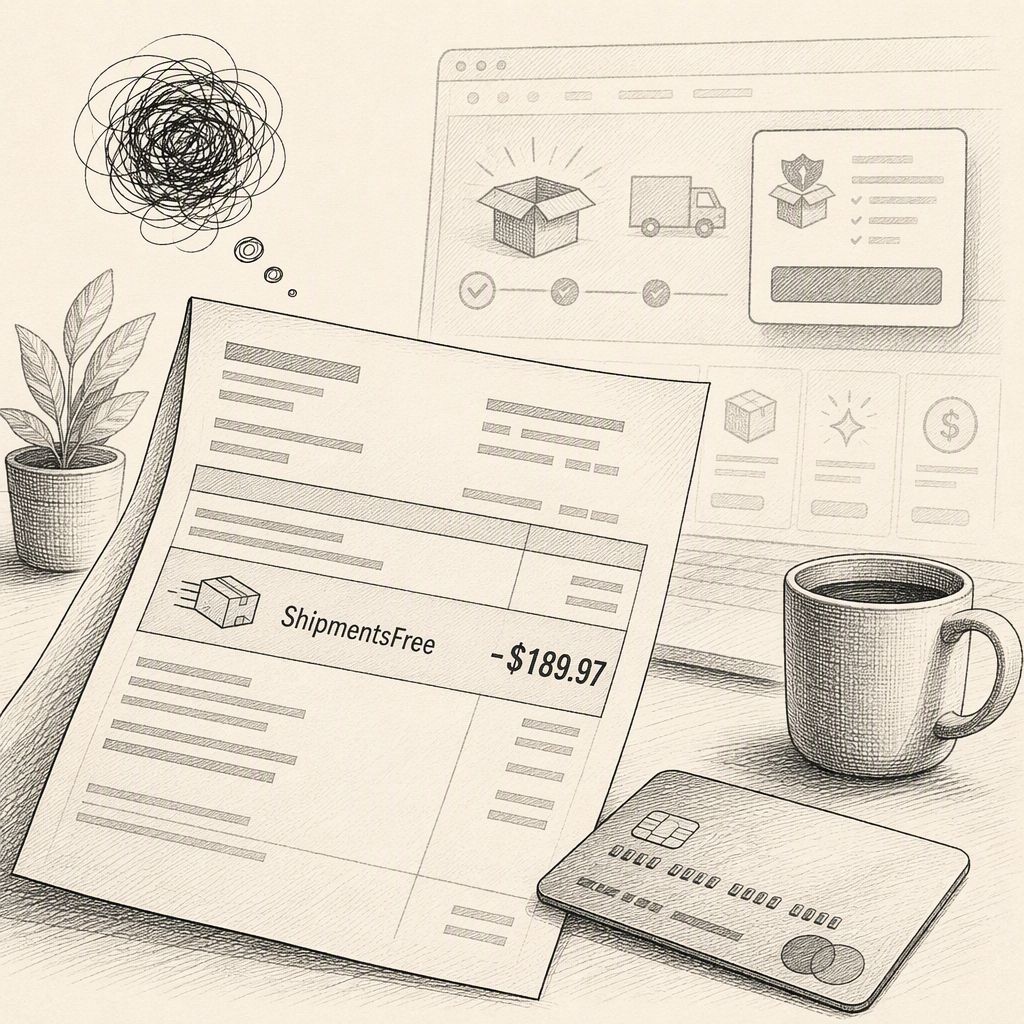
Malwarebytes researchers have uncovered a coordinated network of deceptive websites that exploit consumer interest in shipping rebates to trick them into signing up for expensive, auto-renewing subscriptions. Services like ShipmentsFree, and similarly branded domains such as freeshpmts.com and shipmentsfreezone.com, lure users with promises of saving money on shipping and returns, potentially up to $100 per month. However, beneath this veneer of savings lies a hidden cost: a recurring monthly charge that many customers report being unaware of.
The investigation revealed a pattern of shared branding, policy language, and support details across these fraudulent sites, indicating a deliberate and organized effort to mislead consumers. While the visual presentation of these websites may vary, they often direct users to a common "My Account" page and share contact information, such as [email protected]. This suggests a centralized operation managing multiple deceptive domains.
ShipmentsFree, for instance, is not a shipping company but a rebate service. Its terms and conditions clearly state it is a paid, auto-renewing subscription. Despite this, the Better Business Bureau (BBB) has recorded a significant number of complaints, with 529 filed in the past three years, 179 of which were specifically classified as billing issues. Many complainants expressed surprise at recurring $25 charges, stating they did not knowingly authorize a paid membership or recurring billing.
The pathway from a seemingly legitimate rebate offer to an unrecognized recurring charge can be obscure for consumers. Users might encounter these offers through various channels, including retailer promotions, browser pop-ups, checkout add-ons, or mobile applications. The lack of clear communication regarding the subscription terms and costs makes it difficult for individuals to retrace their steps and understand how they incurred the charges.
This deceptive practice preys on the desire for savings, leading to financial loss and frustration for unsuspecting customers. The core issue lies in the misrepresentation of the service, where the primary benefit (shipping rebates) overshadows the significant financial commitment (monthly subscription fees) that users are unknowingly agreeing to.
To protect themselves, consumers are advised to exercise caution before providing payment details for any rebate offer. It is crucial to thoroughly read all terms, conditions, and privacy policies, and to save any offer pages or confirmation emails for future reference. Verifying the company's legitimacy by checking for clear contact details and business addresses is also recommended.
If a consumer discovers an unrecognized charge from a service like ShipmentsFree or its variations, they should investigate the original purchase confirmation and check their email history for enrollment details. Documenting all charges, communication, and cancellation attempts is vital. Contacting the service provider for enrollment dates and consent records, and promptly informing their card issuer or bank if the enrollment was unauthorized or misleading, are essential steps.
This tactic highlights a broader trend of online scams that leverage seemingly beneficial offers to ensnare users in costly subscription traps. Vigilance and a thorough understanding of the terms and conditions are paramount in navigating the digital landscape and avoiding such financial pitfalls.