
Shai-Hulud Worm Expands Attack Surface to 469 Credential Locations
The Shai-Hulud infostealer worm has significantly broadened its scope, now targeting 469 credential locations across developer environments, CI/CD tools, cloud configurations, and AI tools, up from 189.
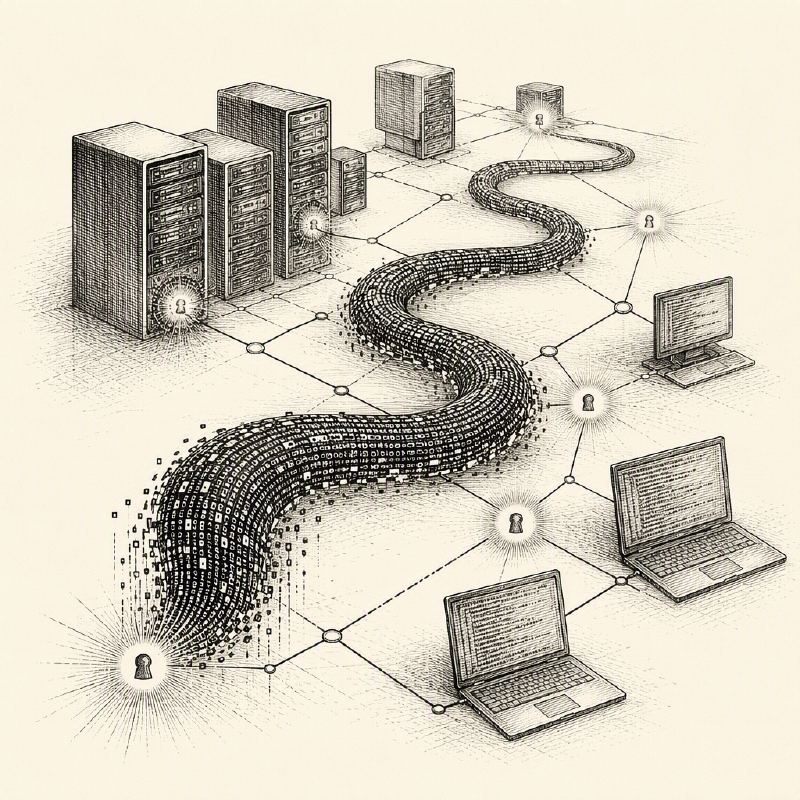
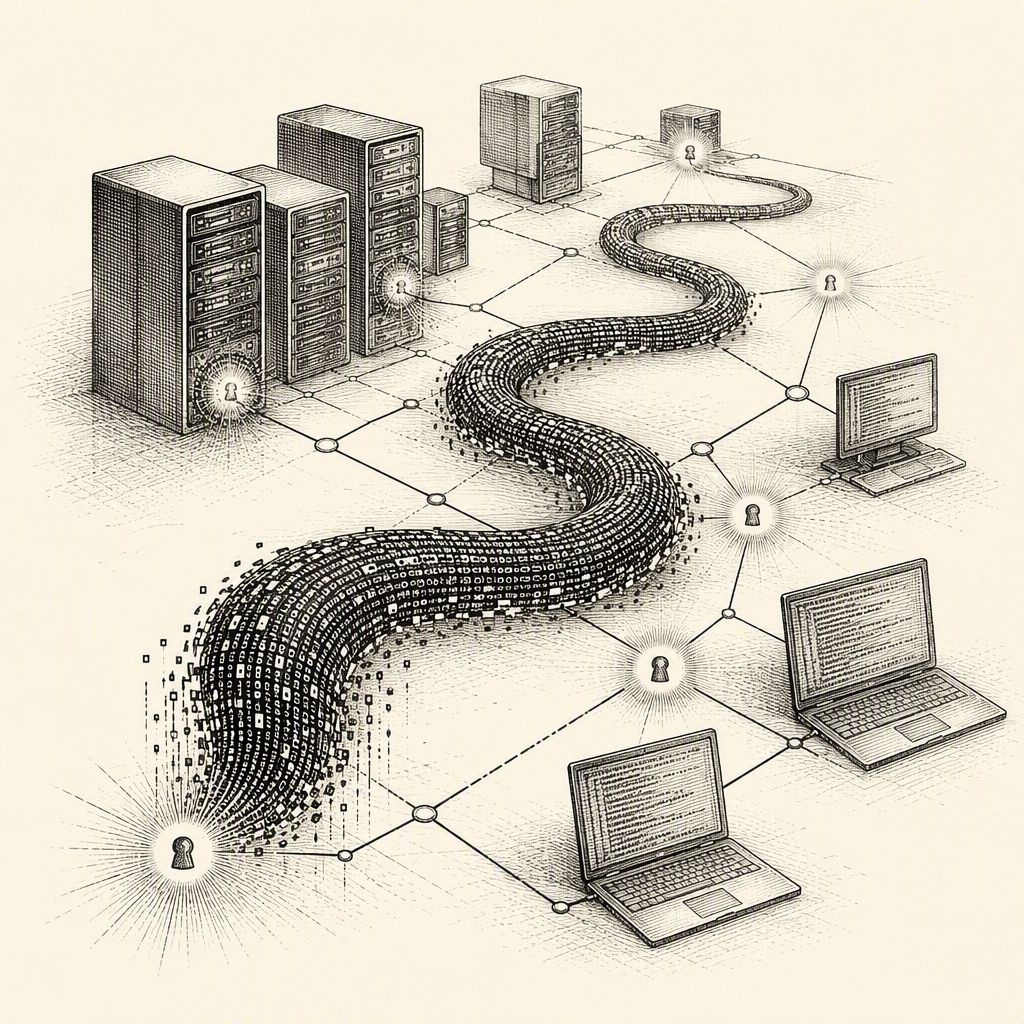
The Shai-Hulud infostealer worm has evolved its capabilities, expanding its reach to scan for credentials across an alarming 469 locations. This significant increase from the previously identified 189 paths now encompasses a wider array of sensitive areas, including developer environments, Continuous Integration/Continuous Deployment (CI/CD) tooling, cloud configurations, and even the settings for AI development tools. This evolution signals a strategic shift by attackers, moving away from attempting to break trust relationships and instead focusing on leveraging existing credentials that underpin those very relationships.
Software supply chains inherently rely on trust. Developers trust package registries, organizations trust maintainers, CI/CD systems trust provided credentials, and applications trust their dependencies. Attackers have recognized that compromising these trust mechanisms is unnecessary; their objective is now to locate the credentials and standing privileges that already facilitate these trusted interactions. This realization is a primary driver behind the current emphasis on software supply chain defense across various ecosystems. While protecting package registries and dependencies remains crucial, the core vulnerability exploited by infostealer worms lies beneath these systems, in the credential layer.
Shai-Hulud exemplifies a growing class of supply chain attacks where stolen credentials are used to perpetuate and expand the compromise. A token found on a developer's workstation might grant access to source code, which in turn could contain cloud credentials, leading to infrastructure compromise. Similarly, a GitHub token could allow write access to additional repositories, and a package publishing credential enables attackers to distribute malicious software through channels developers already trust. These credentials act as the connective tissue, enabling attackers to move seamlessly from one compromised environment to the next.
The modern developer environment is a rich repository of authentication material, extending far beyond just source code repositories. Credentials are found in expected locations like .env files, shell history, and package manager configurations. However, they are also increasingly discovered in CI/CD configurations, IDE settings, and the configurations used by AI development tools. This proliferation of sensitive information is why credential-harvesting malware creators are continuously broadening their search radius, aiming to collect as many available credentials as possible before sorting out their utility.
Defenders must adopt an inverse strategy: proactively identify the most critical credentials and address their exposure before attackers can exploit them. Package publishing credentials, in particular, warrant special attention as they transform credential theft into software distribution, effectively propagating the attack forward. Tokens used for publishing carry significant authority, as they grant access to trusted packages that other developers, build systems, and organizations will automatically consume.
Organizations must reduce their reliance on long-lived publishing tokens and embrace short-lived, verified authentication mechanisms like OpenID Connect (OIDC). While advancements in Docker and GitHub Actions are pushing the ecosystem in this direction with stronger authentication and trusted publishing, any remaining long-lived publishing credentials should be treated as highly sensitive infrastructure.
Traditionally, security teams manage distinct domains such as source control, CI/CD, cloud, endpoint, and application security. However, credentials transcend these boundaries, often spanning multiple security domains and separation-of-duties requirements. A single developer might authenticate to various services like GitHub, npm, AWS, and Kubernetes within a single day, and CI/CD pipelines often handle an equally diverse set of authentications. A credential discovered in a developer environment could grant authority over a cloud resource or package publication rights, highlighting the need for a holistic view of credential risk.
Ultimately, not all exposed secrets pose the same level of risk. A large number of findings does not equate to an equal number of urgent incidents. Some credentials may be invalid, others might lead to disposable development environments, while a select few could grant access to production systems or package publication. A practical remediation strategy prioritizes findings based on what an attacker would target first, starting with the removal of package publishing keys from cleartext.
The Shai-Hulud npm worm has resurfaced after a 111-day absence, with four malicious packages uploaded using the exact same payload from a previous supply-chain attack. This reappearance highlights a significant challenge for malware scanning, as the payload's unchanged file hash allowed it to bypass detection mechanisms that rely on signature matching. The worm executes upon installation, stealing access tokens and leveraging compromised publishing rights to spread further within the npm ecosystem.
This new report from Mandiant details a specific instance where an attacker hijacked an AI coding assistant session at a SaaS provider, leading to the introduction of the Shai-Hulud worm into approximately 100 internal code repositories. The attacker manipulated the AI to recommend a poisoned PyPI package, which was accepted, allowing the theft of repository secrets and source code. This incident highlights a novel attack vector for the Shai-Hulud family, which has previously been observed targeting developer tools and credentials in separate campaigns.