
Serverless Security Landscape Consolidates into CNAPPs, Focus Shifts to Function Permissions
The serverless security market has matured, with standalone solutions largely absorbed into Cloud-Native Application Protection Platforms (CNAPPs), shifting the focus to function permissions and dependency scanning.
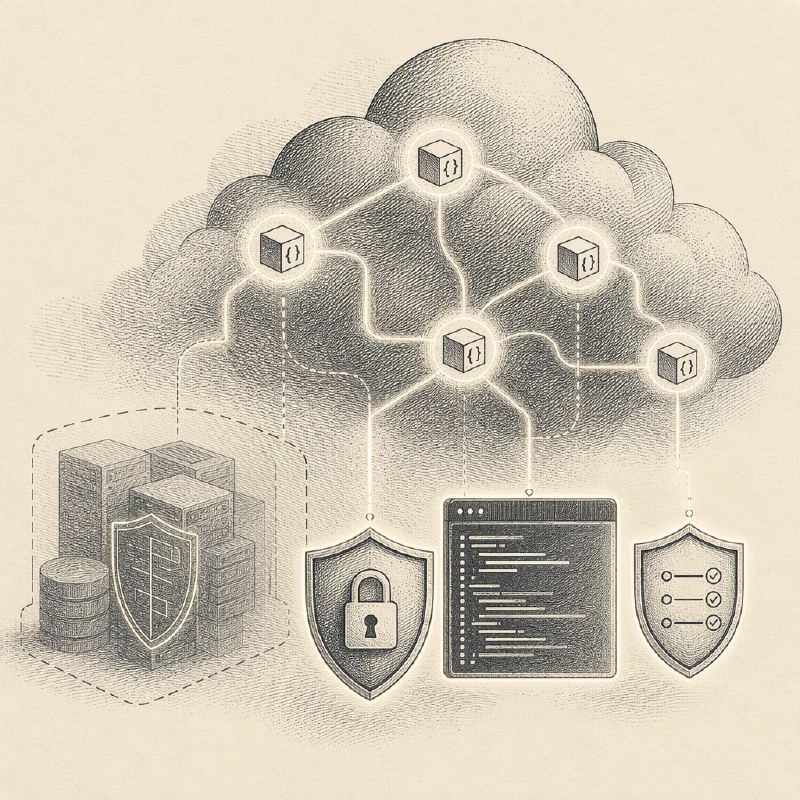
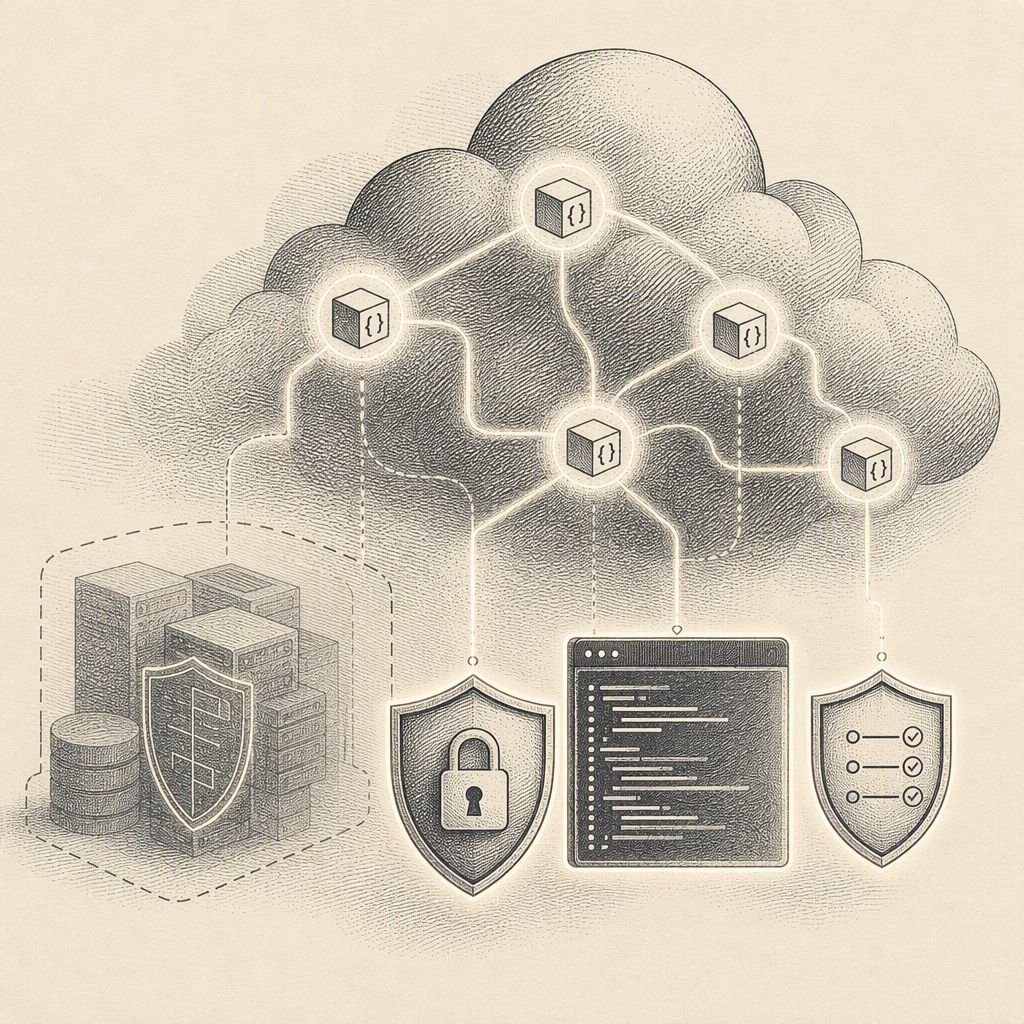
The security of serverless workloads, particularly Function-as-a-Service (FaaS) environments like AWS Lambda, Azure Functions, and Google Cloud Functions, has undergone a significant transformation. Instead of securing traditional servers, the focus has shifted to protecting the individual functions themselves. This involves implementing least-privilege access controls for function roles, rigorously scanning code and its dependencies for vulnerabilities, and continuously monitoring runtime behavior. The attack surface has effectively become the function's permissions and its associated code.
The primary security perimeter for serverless applications is now the function's execution role. In environments where thousands of functions might exist, each with its own set of permissions, an over-broad role for a single function is akin to an over-privileged server. This convergence of serverless security and Cloud Infrastructure Entitlement Management (CIEM) highlights the critical importance of precisely defining and enforcing these permissions. Organizations must meticulously manage function roles to minimize potential exposure.
Dependencies represent the most significant risk within serverless code. Given that serverless functions often act as 'glue' code, relying heavily on external libraries and packages, a vulnerable dependency can easily become an exploitable entry point in production. Tools that excel at Software Composition Analysis (SCA), such as those offered by Snyk, are therefore more crucial than ever in the serverless security paradigm. Proactive scanning and remediation of these dependencies are paramount.
Runtime security in serverless environments differs fundamentally from traditional host-based security. Since there's no underlying host to install agents on, runtime protection relies on analyzing invocation patterns, network traffic, and anomalous behaviors through integrations with cloud providers. This approach allows security teams to detect suspicious activities without direct access to a host operating system, focusing instead on the observable actions of the function.
The market for dedicated serverless security solutions has seen significant consolidation. Many early-stage, specialized vendors have been acquired or integrated into broader platforms. Consequently, the capabilities for securing serverless architectures are now predominantly found within Cloud-Native Application Protection Platforms (CNAPPs). This trend suggests that organizations should look to their existing CNAPP providers for serverless security features, unless they have highly specialized needs.
Leading CNAPP vendors are integrating robust serverless security capabilities. Palo Alto Networks' Prisma Cloud offers deep serverless protection, including function permission analysis, dependency scanning, and runtime monitoring. Aqua Security provides end-to-end lifecycle security, from code scanning to runtime protection, with a strong emphasis on least-privilege roles. Snyk remains a top choice for its developer-centric code and dependency scanning, crucial for identifying risks before deployment.
Other notable players in the serverless security space include Sysdig, which leverages its eBPF expertise for runtime behavior analysis and cloud context; Check Point CloudGuard, with its heritage in serverless posture management and least-privilege focus; and Wiz, which excels at correlating serverless findings with the broader cloud attack surface through its security graph. Datadog offers serverless security capabilities integrated with its observability platform, while Contrast Security focuses on in-application runtime defense for functions.
As serverless adoption continues to grow, the consolidation of security tools into CNAPPs simplifies the security stack for many organizations. However, the inherent nature of serverless—distributed functions with extensive permissions and dependencies—requires a continuous focus on least-privilege principles, robust dependency management, and sophisticated runtime monitoring to effectively mitigate emerging threats.