
Senator Wyden Urges Federal Agencies to Adopt Encrypted Client Hello for Enhanced Visitor Privacy
Senator Ron Wyden is pushing federal agencies to implement Encrypted Client Hello (ECH) to shield sensitive user traffic from adversaries.
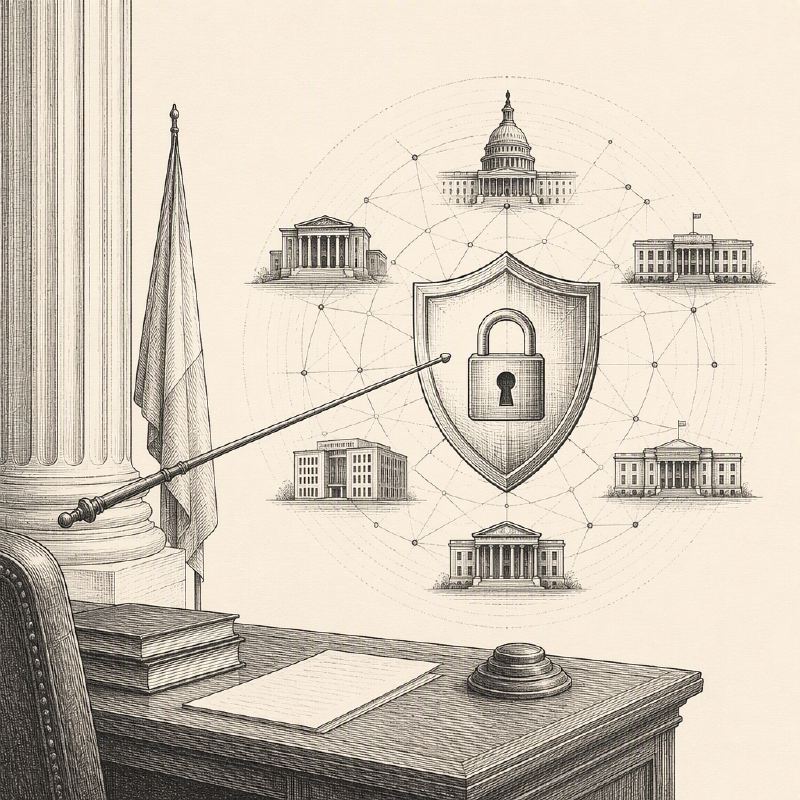
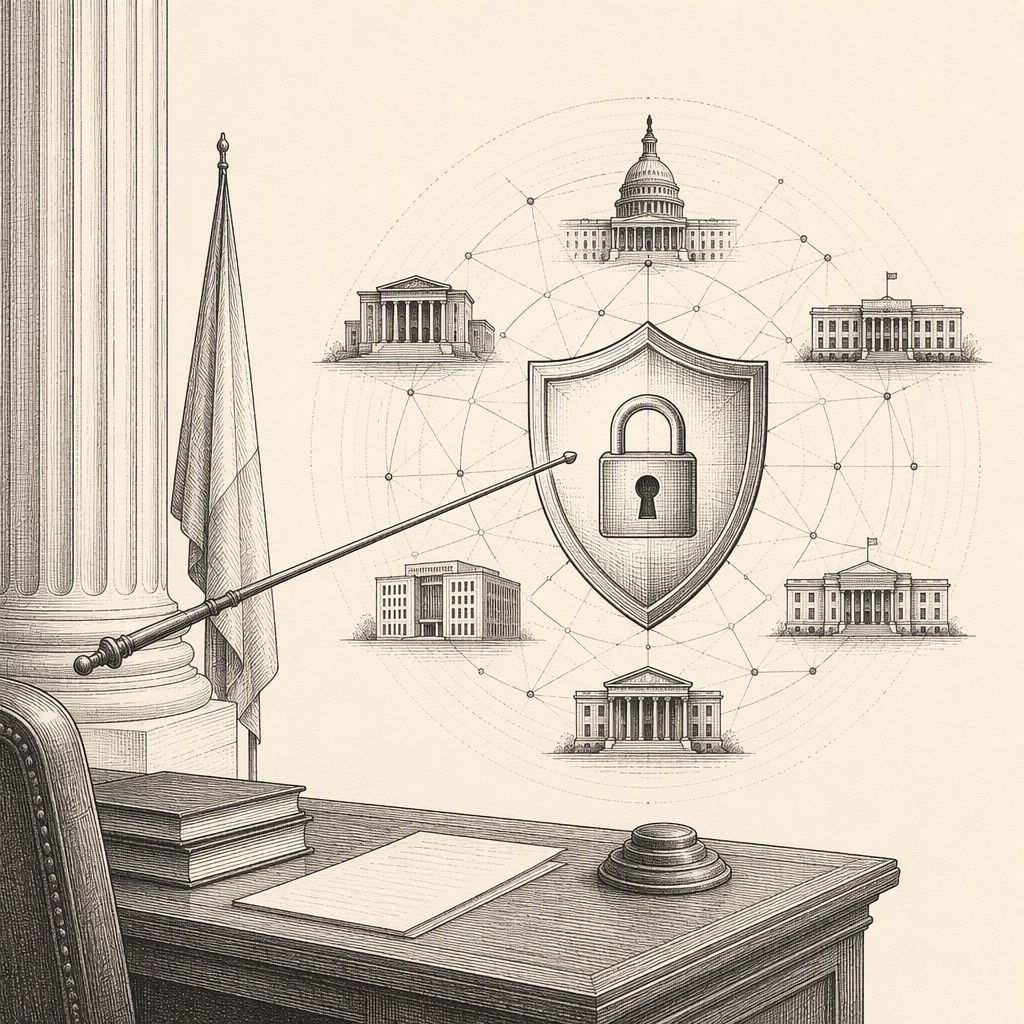
Senator Ron Wyden has called upon federal agencies to adopt an encryption technology known as Encrypted Client Hello (ECH) to bolster the privacy of individuals interacting with government websites. The Oregon Democrat's initiative aims to protect sensitive user traffic, particularly from adversaries who might monitor network connections to identify individuals seeking critical services.
Wyden highlighted that a significant number of federal websites, at least 350, currently lack ECH protection. While most federal agency websites are encrypted, standard encryption methods do not obscure the specific website name being visited. This oversight, Wyden argues, leaves users vulnerable to malicious eavesdropping, potentially exposing whistleblowers, federal personnel, individuals seeking crisis support, and mapping their interactions with government services.
Encrypted Client Hello is particularly effective when used in conjunction with Content Delivery Networks (CDNs), which serve a vast number of websites. ECH encrypts the website name, so while an observer can see that traffic is being directed through a CDN, they cannot discern the specific site the user is accessing. This enhances privacy by obscuring the destination of the user's request.
Examples cited by Wyden illustrate the real-world implications of this lack of protection. An FBI tipline, despite supporting ECH, has not enabled it. Similarly, a Department of Veterans Affairs online suicide prevention hotline is not protected by ECH because its CDN provider, Amazon, does not yet support the technology. These instances underscore the potential for adversaries to identify individuals seeking sensitive or confidential assistance.
To address these vulnerabilities, Wyden has proposed two key recommendations to the heads of the Cybersecurity and Infrastructure Security Agency (CISA) and the Office of Management and Budget (OMB). First, he urged CISA to mandate the implementation of ECH protections across all public-facing federal agency websites and inter-agency web systems.
Second, Wyden recommended that the OMB, in collaboration with the Office of the National Cyber Director and CISA, establish ECH support as a mandatory requirement for commercial cloud and network vendors seeking federal contracts. This would ensure that vendors providing services to the federal government adhere to enhanced privacy standards.
This push for ECH adoption follows Senator Wyden's earlier efforts to improve federal cybersecurity, including a July letter urging agencies to phase out older, insecure public-facing VPNs. The senator's continued focus on adopting modern security technologies underscores a broader effort to enhance the digital defenses and user privacy within federal agencies.
While CISA and OMB have not yet responded to requests for comment on Wyden's letter, the senator's proactive stance highlights a growing concern over the potential for adversaries to exploit unencrypted website visit data. The adoption of ECH could represent a significant step forward in protecting sensitive government interactions.