
Schrödinger's Backup: Confidence in Ransomware Recovery Remains Low, Verification is Key
A recent survey highlights that over half of IT professionals lack full confidence in their organization's ability to recover from ransomware attacks, primarily due to insufficient backup testing.
The persistent threat of ransomware continues to cast a long shadow over organizations worldwide, yet a significant gap persists between the perceived completion of backup tasks and the actual readiness for recovery. A recent survey conducted by Kaseya in partnership with 1105 Media reveals that a concerning 53% of IT professionals express only 'somewhat confident' in their organization's ability to fully recover from a ransomware attack. This widespread uncertainty is largely attributed to 'limited testing' of backup systems, underscoring a critical vulnerability in many cyber resilience strategies.
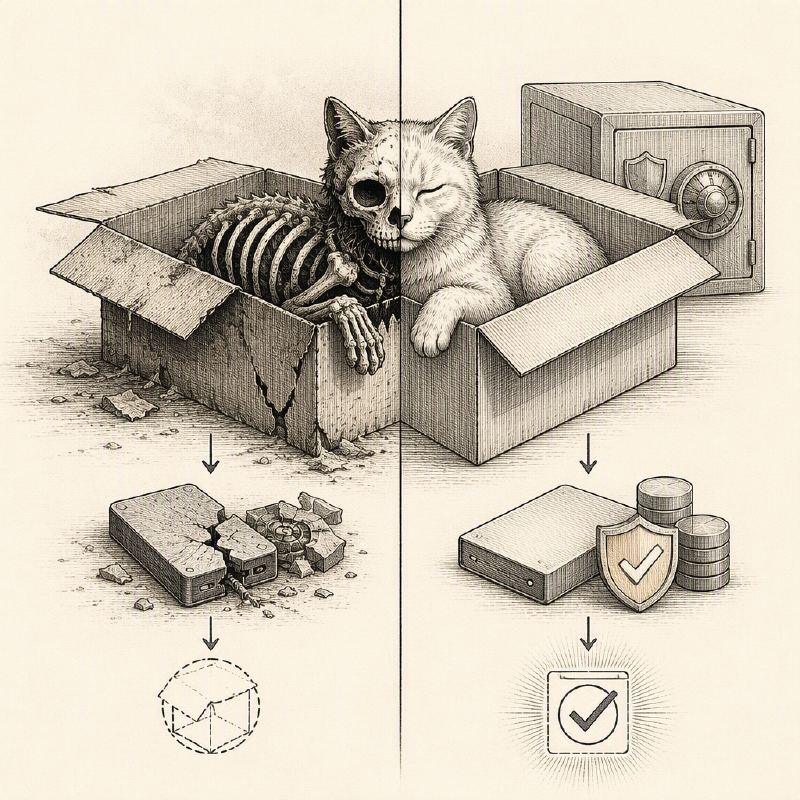
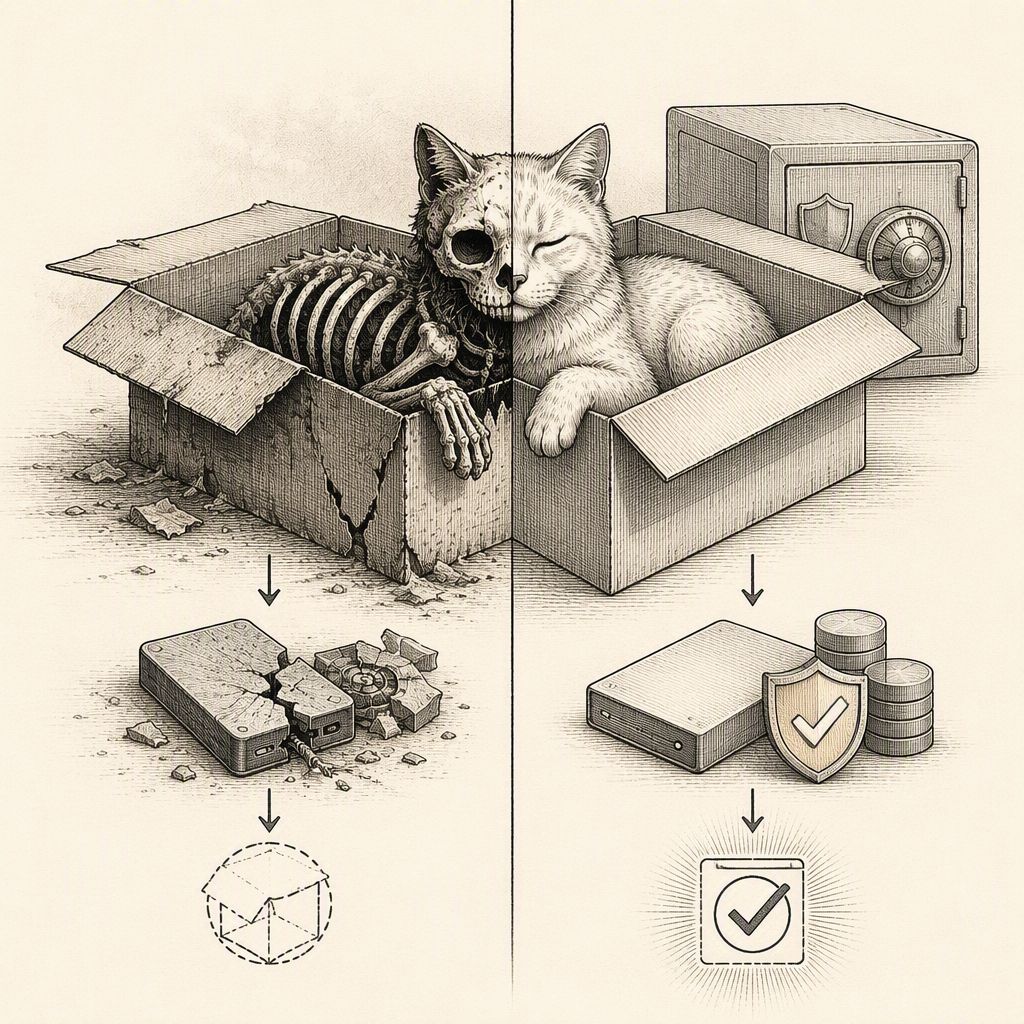
The core issue lies in the fundamental definition of a backup. While data may be successfully copied to storage, this does not guarantee its restorability in a crisis. The analogy of Schrödinger's Cat, a thought experiment where a cat is simultaneously alive and dead until observed, aptly describes the state of many backups: they appear complete but remain unverified until the moment of truth – a disaster recovery attempt. By then, it may be too late to rectify issues, leaving organizations exposed to data loss or compromise.
This lack of confidence is not unfounded. The survey indicated that a substantial portion of IT professionals have even less faith in their recovery capabilities, with only 15% reporting 'very confident' in their ability to resume operations without data loss. This highlights a systemic problem where the perceived completion of a backup task masks a deeper uncertainty about its actual utility in a real-world recovery scenario.
Experts emphasize that true backup verification is not merely about copying data but about proving its completeness, integrity, and restorability. This process is crucial for IT departments and Managed Service Providers (MSPs) alike, as it provides tangible evidence of protection. "Backup isn't done and entrustable until you've gone in and made sure that the application actually works and can be brought back to the recovery environment," explains Brent Torre, GM of cyber resilience at Kaseya. He notes that historically, the time and resources required for such thorough verification have been prohibitive for many.
Traditional verification methods, such as intermittent manual checks, are increasingly proving insufficient. These methods are prone to human error, leading to misinterpretation of warnings, overlooked failures, and a dangerous mix of false negatives and false positives. Relying on manual processes, including reviewing screenshots, can consume valuable time from highly skilled IT staff, diverting their expertise from more critical tasks. In today's complex IT environments, spanning on-premises systems, SaaS applications, and cloud endpoints, these static verification methods struggle to cope with the scale and complexity, offering only surface-level assurance.
The evolving regulatory landscape also places greater emphasis on recovery and resilience. Compliance frameworks are increasingly mandating frequent recovery testing, making robust verification processes a necessity rather than a luxury. The inefficiencies of manual verification are amplified at scale, leading to slow response times and creating a false sense of security where catastrophe could be lurking.
As a solution, AI-powered verification is emerging as the gold standard. This technology automates the process by booting up virtualized backups, capturing screenshots, and analyzing them to confirm successful execution. Context-aware visual AI, combined with Optical Character Recognition (OCR), can accurately identify critical elements like login screens and dashboards, offering a significantly higher verification accuracy (around 99.9%) and reducing false positives.
This technological advancement offers a lifeline to IT managers facing budget constraints and talent shortages. By removing manual effort and the constant checking of false alarms, AI-powered verification frees up human teams for higher-value work, enhances SLA confidence, improves customer trust, and allows environments to scale more efficiently. For MSPs, it presents a viable path to making recovery economics more sustainable, moving beyond legacy methods to a more reliable and scalable solution.