
Scammers Use 'Wrong Number' Texts as a 'Personality Test' to Identify Vulnerable Targets
Cybercriminals are leveraging polite replies to 'wrong number' texts as a method to identify and profile potential victims for sophisticated social engineering and investment scams.
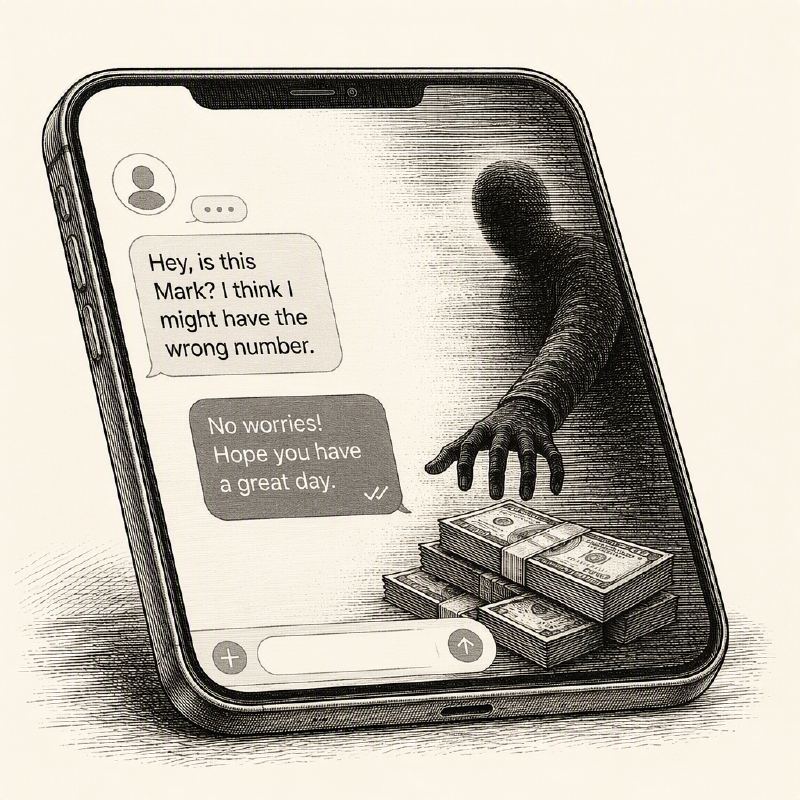
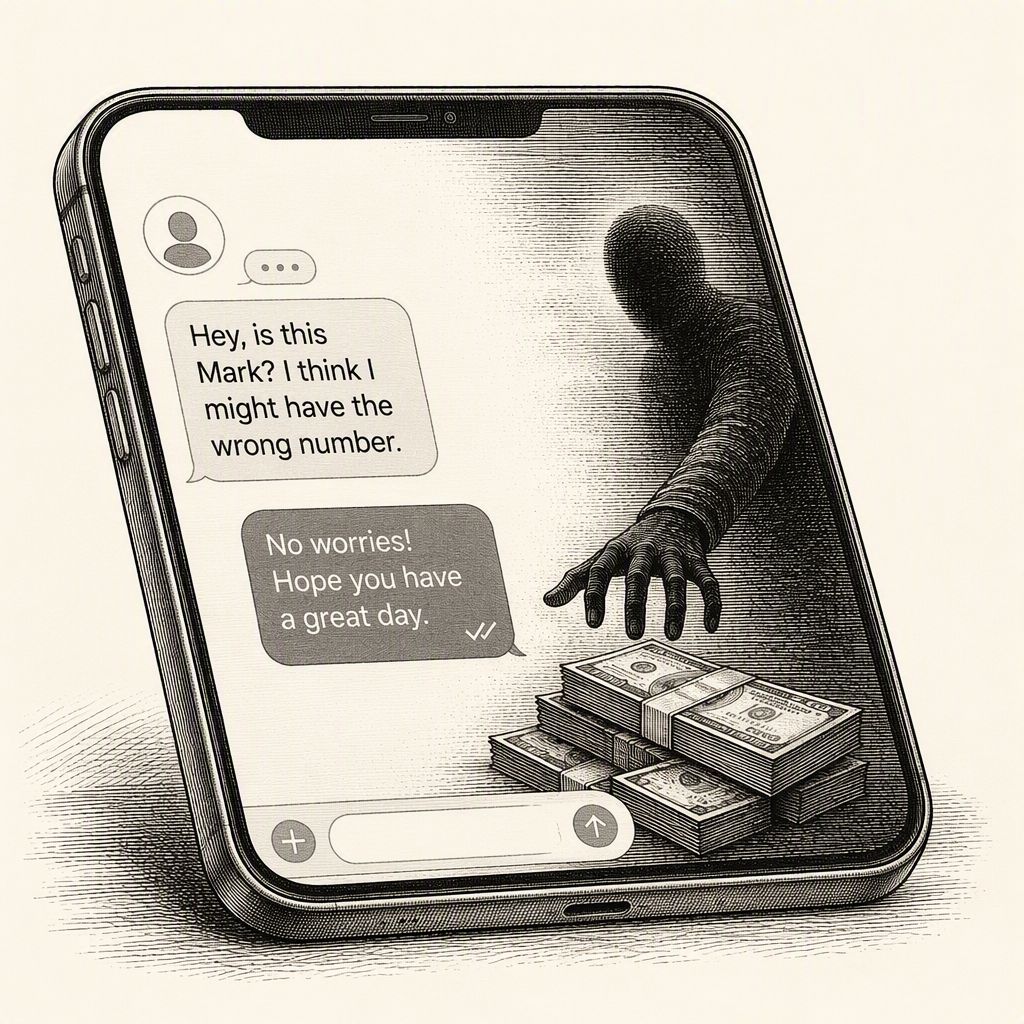
A seemingly innocuous "wrong number" text message can be the first step in a meticulously planned scam, designed not to exploit technical vulnerabilities, but human politeness. When individuals respond to these messages, especially with courtesy, they inadvertently signal to scammers that their phone number is active and that they are willing to engage with strangers. This makes them a more valuable target in the vast criminal ecosystem.
Scammers often acquire phone numbers in bulk, sometimes for fractions of a cent per record, from data breaches. While they can confirm message delivery, they lack insight into the recipient's responsiveness or susceptibility. The "wrong number" text serves as a low-cost "personality test." A polite and prompt reply provides crucial data points: the user is active, polite, and potentially quick to respond to future communications. This information helps categorize potential victims, with responsive numbers being significantly more valuable.
From this initial interaction, two primary paths emerge for the targeted individual. In one scenario, dubbed the "slow burn," the scammer, or an AI chatbot impersonating one, continues the conversation. These AI agents, often powered by large language models, can manage thousands of conversations simultaneously, assessing a user's vulnerability score based on their engagement. If the score reaches a certain threshold, a human operator takes over, having been briefed on the conversation history and the target's perceived weaknesses.
This human operator then cultivates a relationship over several weeks, building trust through daily interactions, shared personal details, and even stolen social media photos. Eventually, the conversation steers towards a lucrative investment opportunity on a fake trading platform. Victims are often lured in with initial fake profits, only to lose substantial sums, sometimes tens of thousands of dollars, when the platform disappears, a tactic known as "pig butchering."
In the second scenario, the "silent recycling," the individual's polite reply indicates they are not susceptible to the "wrong number" hook. Instead of direct engagement, their number is categorized as "active, responsive, polite, but not susceptible to this specific tactic." This profile is still commercially valuable. The number is then added to a cleaned database and used for different campaigns, such as fake job offers on LinkedIn, package delivery scams, or fraudulent bank alerts.
These subsequent messages, while appearing unrelated to the initial "wrong number" text, are part of the same sophisticated criminal operation. The initial polite reply was merely a sorting mechanism to identify potential targets for various forms of fraud, from elaborate investment scams to more direct phishing or smishing attacks.
The FBI's Internet Crime Complaint Center (IC3) reports billions of dollars lost annually to investment fraud, with "pig butchering" scams alone causing catastrophic average losses. The effectiveness of these social engineering tactics underscores the importance of caution when interacting with unknown numbers, as even a polite response can have significant financial repercussions.