
Scammers Poison Search Results to Steal Cryptocurrency via Fake Bitrefill Checkouts
Cybercriminals are using sophisticated search engine poisoning tactics to redirect users to fake Bitrefill checkout pages, aiming to trick them into sending cryptocurrency directly to scammer-controlled wallets.
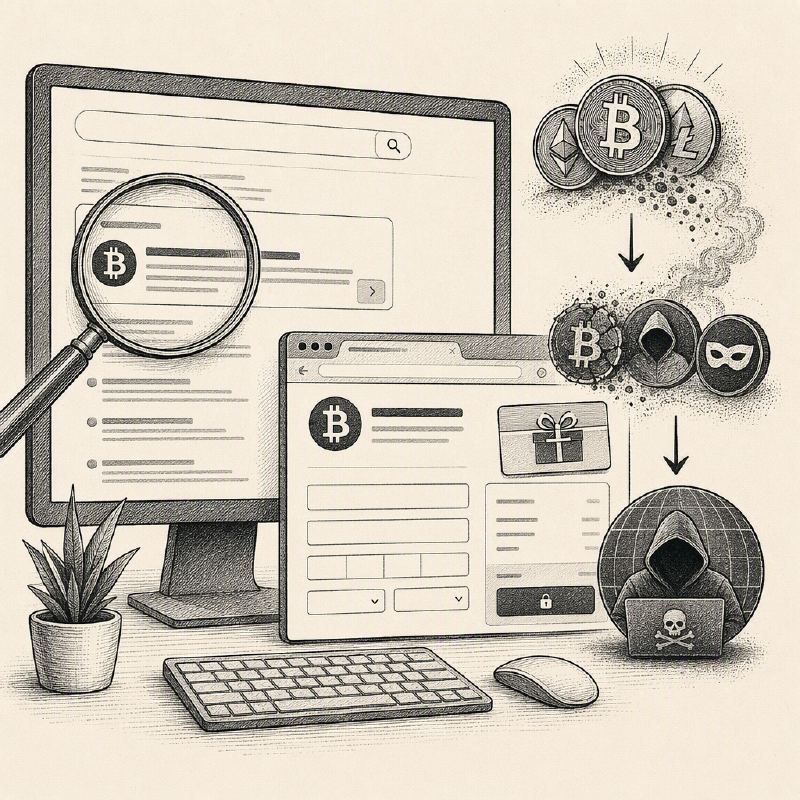
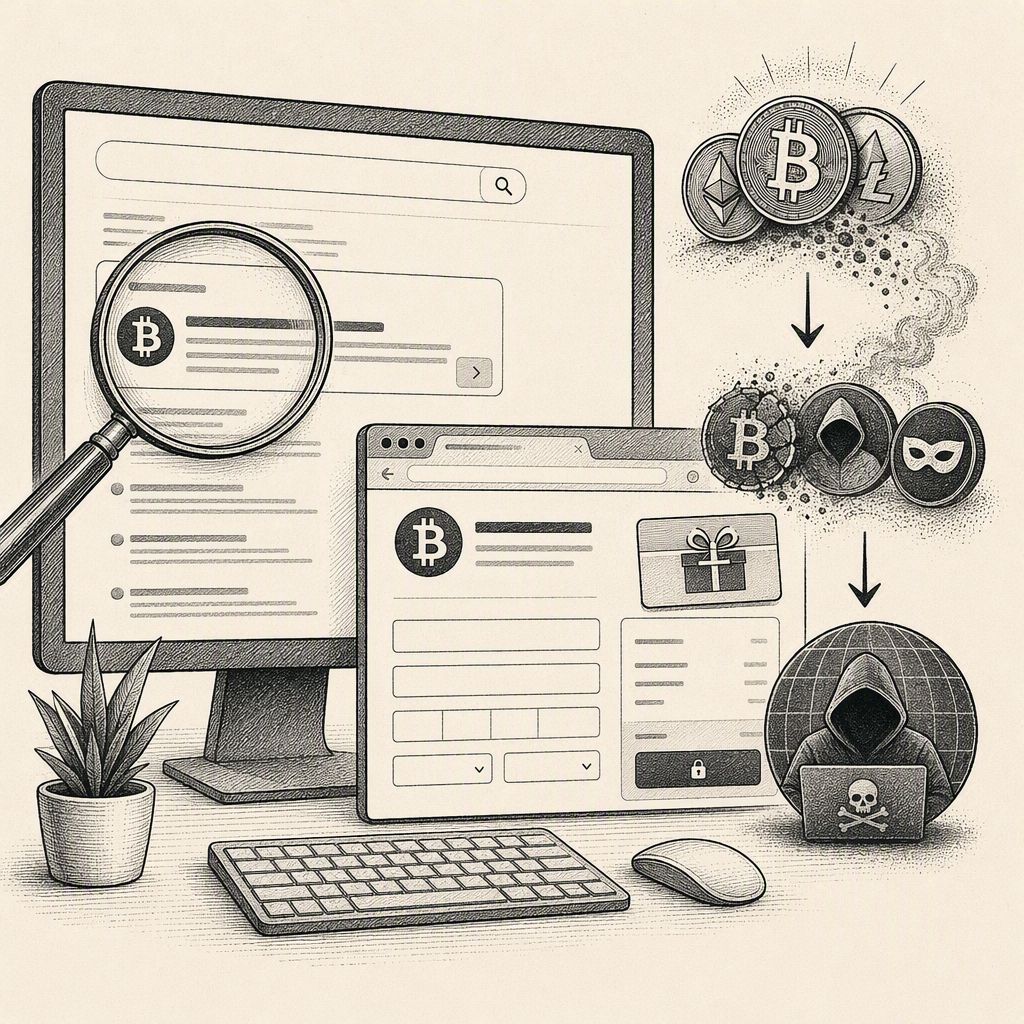
Scammers have launched a new campaign leveraging search engine poisoning to target users seeking to purchase gift cards and other digital services through Bitrefill. The fraudulent operation directs unsuspecting victims to meticulously crafted fake checkout pages that mimic the legitimate Bitrefill website. These lookalike sites are designed to bypass traditional phishing defenses by exploiting the inherent irreversibility of cryptocurrency transactions and Bitrefill's legitimate acceptance of digital currencies.
The scam begins when individuals search for Bitrefill or specific services it offers, such as gift cards for popular retailers like Amazon or Apple. Instead of landing on the official site, users are presented with search results that lead to domains closely resembling Bitrefill's. These fake websites replicate the branding, layout, and payment flow of the genuine Bitrefill checkout process, making them highly convincing to the average user.
Once on the fake site, victims are guided through a seemingly normal purchase process. They select an item, choose a cryptocurrency for payment (such as Bitcoin, Ethereum, or Solana), and are presented with a QR code and a unique payment address. However, instead of completing a transaction with Bitrefill, the cryptocurrency is sent directly to an address controlled by the scammers. Because cryptocurrency transactions are generally irreversible, victims are unlikely to recover their funds, and they receive no goods or services in return.
This attack method circumvents many common security hurdles faced by phishers. Unlike traditional phishing that might require stealing credentials or bypassing multi-factor authentication, this scam directly solicits payment. The convincing nature of the fake checkout, combined with the fact that Bitrefill genuinely accepts cryptocurrency, removes suspicion. The scam operators have even installed commercial analytics software on these fake sites, indicating a business-like approach to optimizing the conversion funnel and maximizing fraudulent revenue.
The fake domains are constructed using various deceptive techniques. Some employ visually similar characters to replace letters in the brand name, while others append plausible words like 'pay' or 'gift' to create seemingly legitimate URLs. The use of internationalized domain names (IDNs), which can contain characters from different alphabets, further complicates detection, as their Punycode representations can be nearly indistinguishable from the genuine domain name, especially on mobile devices.
Malwarebytes researchers observed a cluster of these fake sites, with some offering payment options up to $1,990. The sites often include elements like terms of service and privacy policy links, and a countdown timer for payment, all borrowed from legitimate e-commerce practices to enhance credibility. The operators appear to be tagging incoming traffic with parameters that indicate the source, suggesting they are actively monitoring and refining their distribution methods, likely through search engine poisoning.
Bitrefill has acknowledged the existence of these fraudulent sites and is reportedly working with takedown specialists to have them removed. However, the dynamic nature of domain registration and the ease with which these lookalike sites can be deployed mean that users must remain vigilant. The campaign highlights a growing trend of sophisticated scams that leverage specific company services and payment methods to build trust and deceive victims.
This incident serves as a stark reminder that even well-known brands and seemingly legitimate checkout processes can be mimicked by malicious actors. Users are advised to always verify the URL carefully, especially when dealing with cryptocurrency transactions, and to be wary of search results that seem too good to be true or lead to unfamiliar domain names, even if they closely resemble trusted sites.