
Scammers Leverage AI-Generated Pet Images for Extortion
Cybercriminals are exploiting AI image generation to create convincing fake photos of missing pets, extorting desperate owners for ransom.
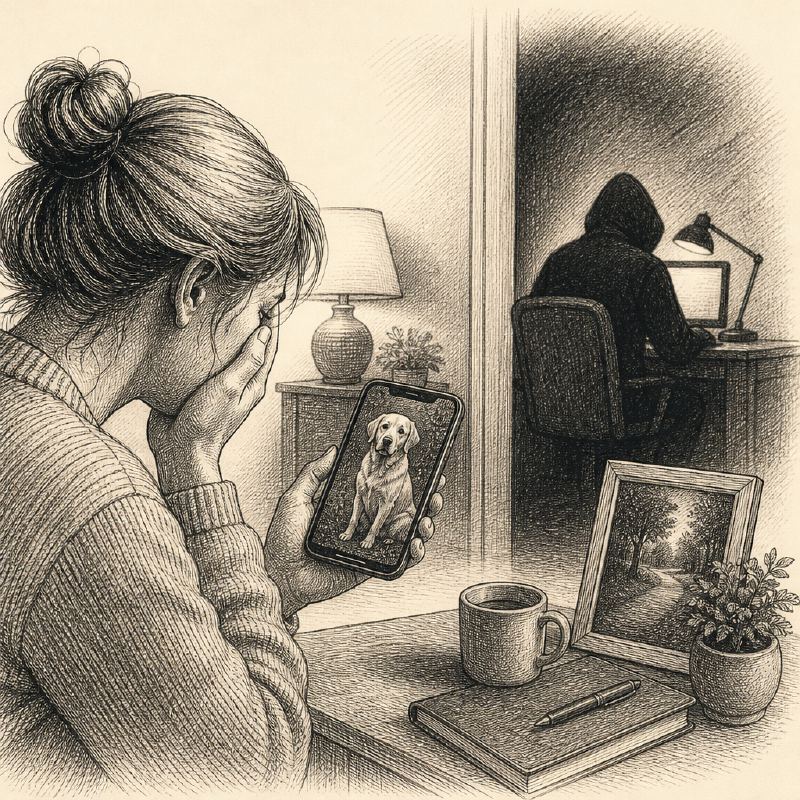
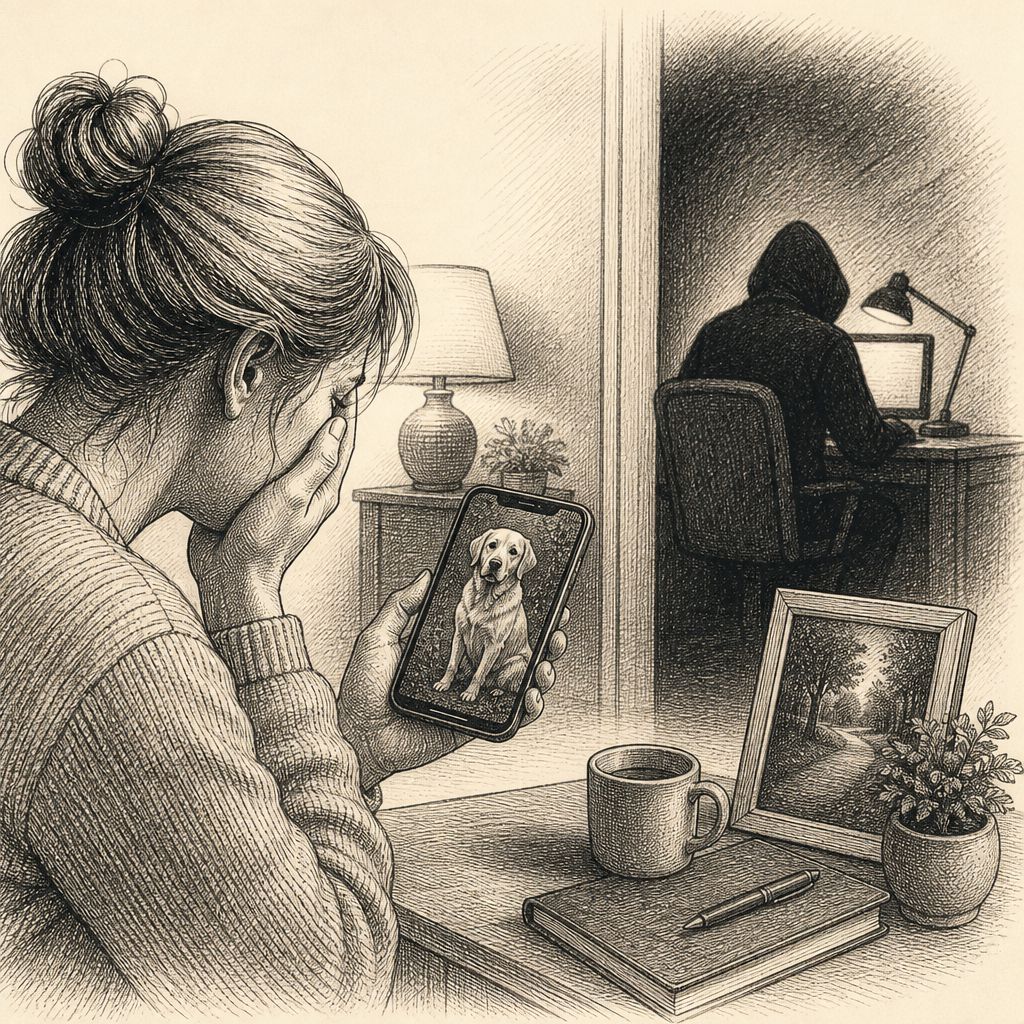
A new and emotionally manipulative scam is targeting pet owners who have lost their beloved animals. Threat actors are now using artificial intelligence to generate realistic images of missing pets, which they then send to owners along with ransom demands.
The tactic preys on the deep emotional distress experienced by owners searching for lost pets. When a pet goes missing, owners often turn to social media and local online forums to post appeals, frequently including photos and contact information. Scammers monitor these appeals, identify a target, and then use AI tools to create images that appear to show the missing pet, often in a plausible scenario.
These fabricated images are then sent to the distraught owner, claiming the pet has been found. The scammer typically demands a sum of money, framing it as a reward or payment for emergency veterinary care. To increase pressure, they may refuse to arrange a meeting until payment is made or threaten to harm or sell the animal if the ransom is not paid promptly.
Malwarebytes has observed variations of this scam, including messages claiming to have found a missing cat with accompanying photos, and even impersonations of humane societies demanding payment for fictitious emergency surgeries. These incidents highlight how quickly malicious actors adapt emerging technologies like AI for fraudulent purposes.
To protect themselves, owners are advised to maintain some identifying details of their pet privately. For instance, leaving out a distinctive feature from public appeals allows owners to ask a supposed finder about it later, serving as a verification step. It is crucial to never pay in advance for the return of a pet and to arrange any legitimate handover in a safe, public location, verifying the animal's identity before offering any reward.
Furthermore, if a scammer claims the pet is at a veterinary clinic, owners should independently find the clinic's contact information and call them directly, rather than relying on contact details provided by the scammer. Having a second opinion from a trusted friend or using security tools like Malwarebytes Scam Guard can help assess such demands without the overwhelming emotional pressure.
Security experts emphasize that if a scammer is making threats, it's highly probable they do not actually have the pet. This realization is key to resisting extortion attempts and avoiding financial loss. The sophisticated nature of AI-generated images makes verification more challenging, underscoring the need for caution and independent confirmation in such distressing situations.