
Scammers Impersonate Amazon with Fake Remote Job Offers
Fraudsters are creating fake Amazon job postings for remote assistant roles, promising high salaries but exhibiting signs of reshipping scams.
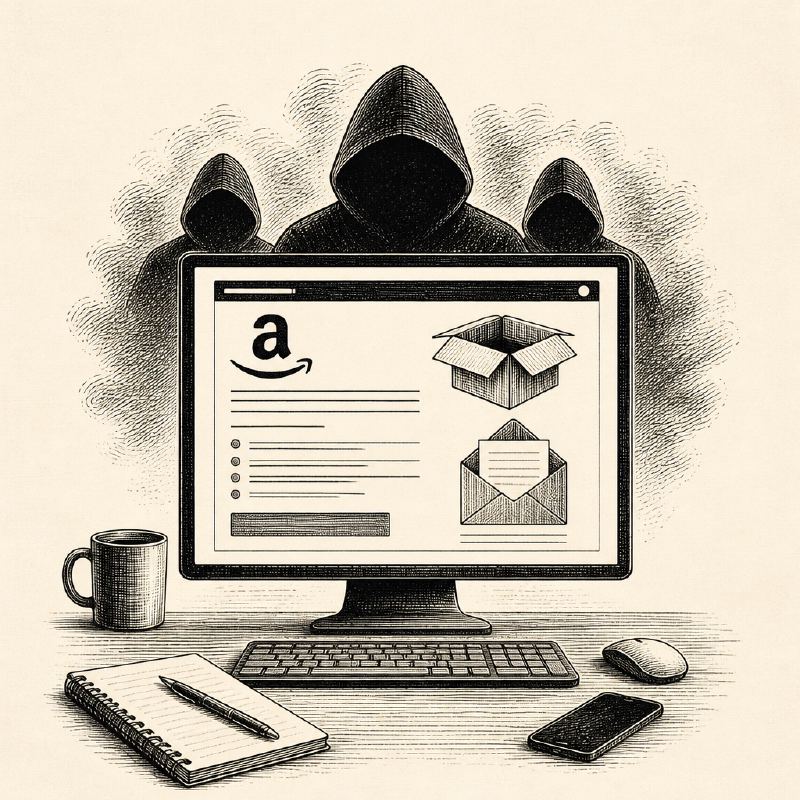

Cybercriminals are actively impersonating Amazon by establishing fake job posting websites that mimic the e-commerce giant's branding. These fraudulent sites, often using domains like amzssapplication[.]com and jobsamzss[.]com, lure job seekers with promises of lucrative remote assistant positions, with advertised salaries reaching up to $5,000 per month. However, these offers are not affiliated with Amazon and are designed to ensnare unsuspecting individuals in various scams.
Amazon has officially stated that all genuine job opportunities are exclusively posted on its official career portals, amazon.jobs and hiring.amazon.com for hourly warehouse positions. The fake job offers circulating online are separate from Amazon's legitimate holiday hiring initiatives. The deceptive nature of these scams is further highlighted by the suspicious questions posed during the application process. While the job descriptions tout fully remote work with no commute, the application forms inquire about applicants' access to personal vehicles and their ability to receive packages at home. These questions are strong indicators of reshipping scams, where individuals are recruited to handle and forward packages, often containing illicit goods or items purchased with stolen credit card information.
The appeal of these fake job offers stems from the widespread recognition and hiring activities of Amazon. The scammers leverage the public's awareness of Amazon's recruitment drives, making their fraudulent postings seem plausible. Furthermore, the "working with Amazon" narrative can be convincing, as some legitimate third-party businesses that support Amazon sellers might have similar-sounding names, creating confusion. The promise of flexible, remote work also targets individuals seeking work-from-home opportunities, such as parents, students, or those looking for supplementary income.
This tactic of impersonating Amazon recruiters is not new. The company reported an increase in such scam reports in late 2025, and similar text-based job scams offering high daily pay for minimal work were noted earlier in the year. The current wave of scams is more sophisticated, incorporating dedicated careers pages, company websites, and polished application forms to enhance their credibility. The domains used for these fake sites, such as amzssapplication[.]com, jobsamzss[.]com, and applyamazonsp[.]com, were registered within a short period, suggesting a coordinated effort by the same threat actors.
Further investigation reveals additional domains like amzncrew[.]com, joinamzn[.]com, and workatamzn[.]com, which are used for "HR" email addresses but have no affiliation with Amazon. These sites often link to amzshippings[.]com, a newly registered domain offering shipping services for Amazon sellers, further blurring the lines. The application forms themselves collect a significant amount of personal information, including name, phone number, email, home address, and even details about felony history. While promising data security, the information is submitted via third-party services like Formspree, and it remains unclear who ultimately receives this sensitive data.
The implications for applicants are severe. Beyond the risk of identity theft from sharing personal details, individuals who fall for these scams could be drawn into criminal activities. Being asked to receive and forward packages can implicate them in parcel-mule fraud, potentially linking them to the movement of stolen goods. Some fake employers may also send fraudulent checks and request a portion of the funds back, leading to financial losses when the checks eventually bounce.
To protect themselves, job seekers should always verify job offers through Amazon's official career websites. It is crucial to scrutinize domain names rather than relying on logos and branding, as these can be easily replicated. High pay for seemingly little work, especially without a resume or formal interview, should raise red flags. Applicants should never provide sensitive personal information, such as Social Security numbers or ID photos, or send money before thoroughly verifying the legitimacy of an employer. Any job that requires receiving or forwarding packages without clear, verifiable legitimacy should be avoided.