
SANSAR Linux Malware Uses Modified NVIDIA Library to Evade Cryptomining Detection
A new Linux-based cryptomining malware named SANSAR, attributed to threat cluster REF3364, employs a sophisticated technique of modifying NVIDIA libraries to conceal its high GPU utilization, making it harder to detect.
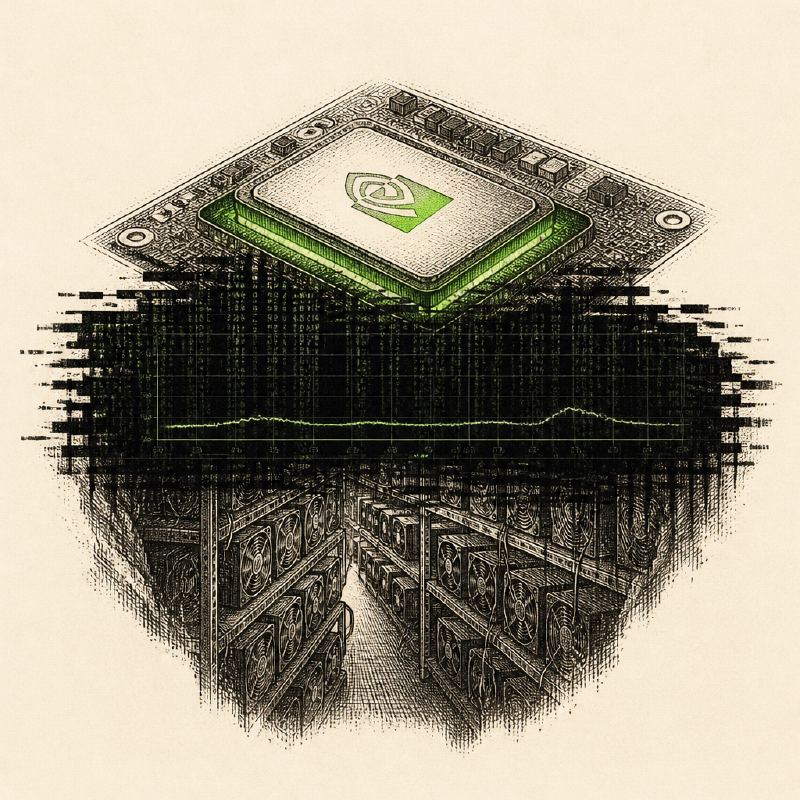
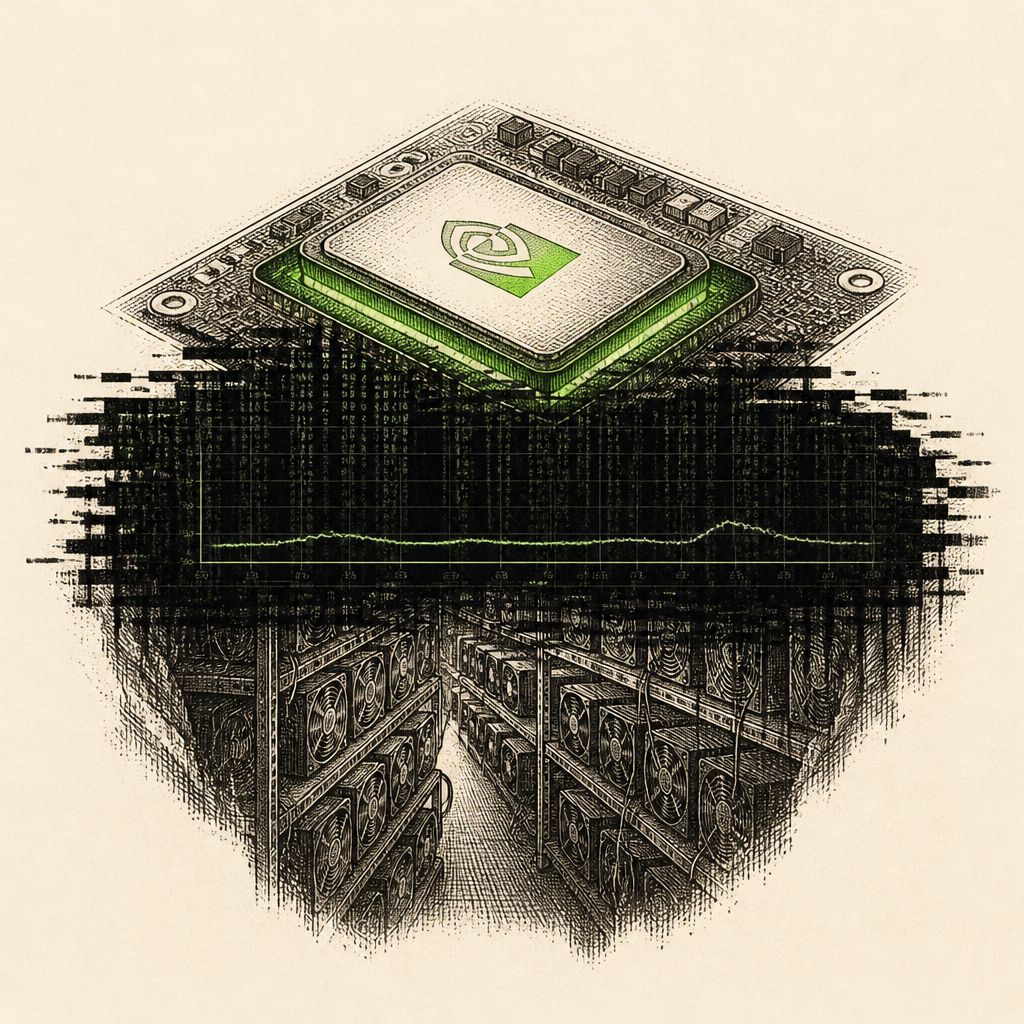
A financially motivated threat actor, identified as REF3364, is behind a sophisticated cryptomining operation targeting Linux systems. The malware, dubbed SANSAR, utilizes a novel approach to evade detection by tampering with the very libraries that monitor GPU activity. This allows threat actors to maximize their mining efforts without raising immediate alarms on compromised systems.
At the core of this operation is SANSAR, a Rust-based orchestrator. This central component is responsible for receiving commands via the TOR anonymity network, enabling covert communication between the attackers and their infected infrastructure. Once commands are received, SANSAR manages both CPU and GPU mining processes, ensuring efficient cryptocurrency extraction.
The primary mechanism of evasion involves modifying NVIDIA's proprietary libraries. By altering the code responsible for reporting GPU utilization metrics, SANSAR can artificially lower the reported usage. This deceptive tactic aims to bypass security monitoring tools and system administrators who rely on these metrics to identify resource-intensive processes, such as cryptomining.
The impact of such malware can be significant for affected organizations. Beyond the direct consumption of computing resources, which can degrade system performance and increase operational costs, the presence of SANSAR indicates a successful intrusion. This suggests that attackers have found ways to gain initial access and maintain persistence on Linux servers, potentially exposing sensitive data or using the compromised infrastructure for further malicious activities.
While specific details on the initial access vectors used by REF3364 are not yet fully detailed, the use of a TOR network for command and control suggests a deliberate effort to maintain anonymity and resilience against takedown efforts. The choice of Rust for the orchestrator also points towards a focus on performance and cross-platform compatibility, common traits in modern malware development.
Security researchers are actively analyzing SANSAR's capabilities and the specific modifications made to the NVIDIA libraries. The findings highlight the ongoing cat-and-mouse game between malware developers and defenders, with threat actors constantly innovating to stay ahead of detection mechanisms. Organizations running Linux environments, particularly those with GPU resources, are advised to enhance their monitoring for unusual system behavior and ensure their security posture is robust.
This discovery underscores the persistent threat of cryptojacking operations, which continue to evolve with more sophisticated evasion techniques. The targeting of Linux systems, often used in server environments and critical infrastructure, makes SANSAR a notable development in the landscape of financially motivated cybercrime.