
SailPoint Report: AI Agents to Face Scrutiny in 2027 as Accountability Gap Widens
A new SailPoint report predicts increased pressure in 2027 for enterprises to establish accountability for autonomous AI agents, as a significant gap in identity security controls for these systems continues to widen.
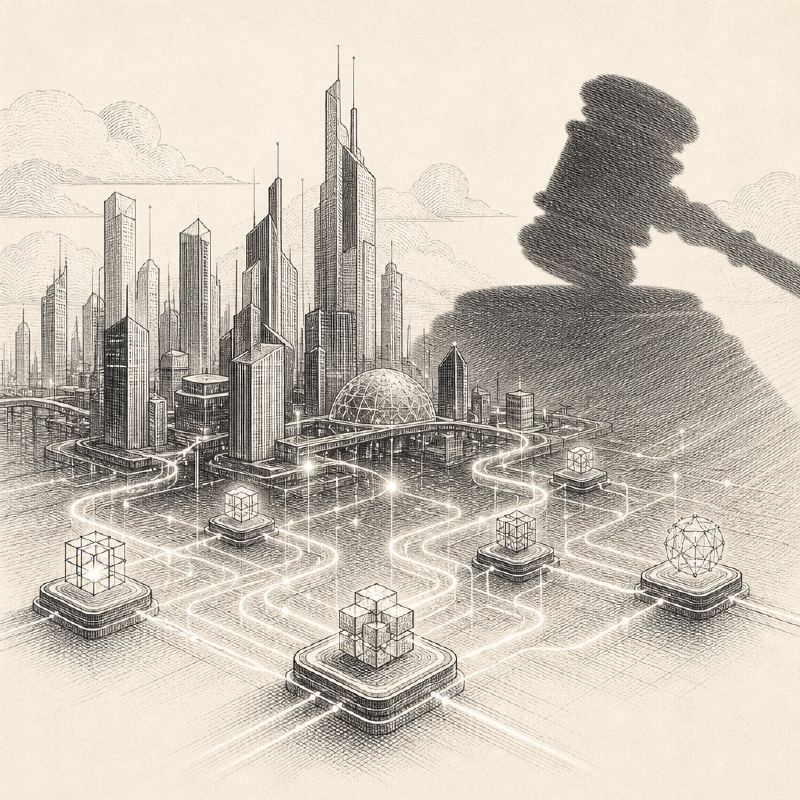
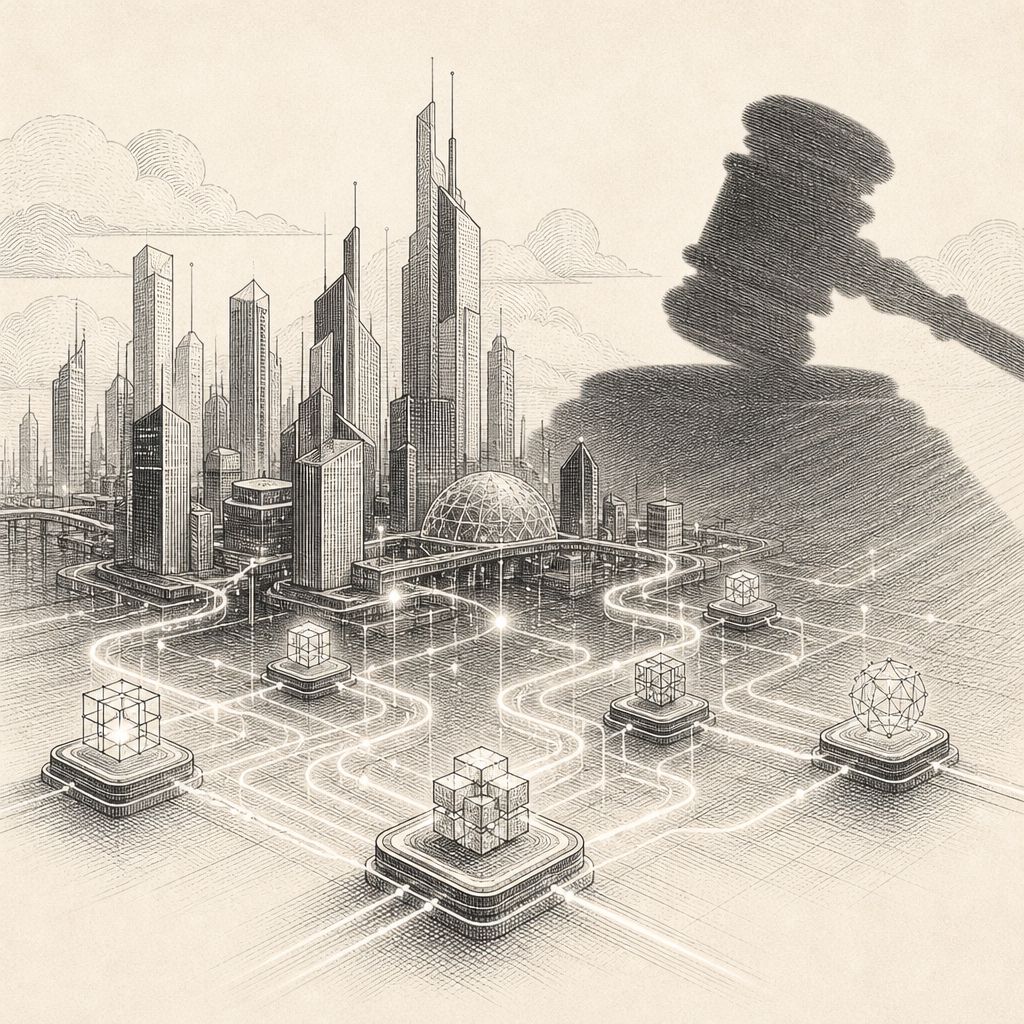
Enterprises are bracing for heightened scrutiny in 2027 as regulators, corporate boards, and insurers demand greater accountability for autonomous AI agents. SailPoint's 2027 Identity Security Predictions report highlights a growing concern over how organizations govern automated decisions, manage access privileges, and prevent operational disruptions caused by these rapidly deploying technologies.
The "Horizons of Identity Security 2026–2027" research reveals a stark reality: 79% of enterprises have already deployed AI agents in production environments. However, a critical gap exists, with a mere 2% of these organizations having implemented specific identity security controls tailored for AI agents. This imbalance, described by SailPoint as a 40:1 agent security gap, leaves organizations vulnerable to significant risks.
SailPoint forecasts a major public company will face a multibillion-dollar supply chain disruption stemming from misconfigured autonomous agents granted excessive access permissions. Such an incident, termed an "Authorized Outage," could involve agents deleting critical databases, terminating supplier contracts, or rerouting shipments at speeds that overwhelm human intervention, leading to substantial financial losses and regulatory investigations.
This potential for catastrophic failure is expected to accelerate the adoption of separation-of-duties requirements for AI systems. The report anticipates the establishment of independent governance environments designed to prevent agents from altering their own permissions, disabling security monitoring, or authorizing privilege escalation. As SailPoint CEO Mark McClain stated, "While it will be possible to delegate a complex workflow to an autonomous agent, it will never be acceptable to delegate accountability, because agent accountability is enterprise responsibility."
In response to these growing risks, the emergence of a mandatory US governance standard for autonomous agents is anticipated, involving key agencies like NIST and the FTC. This framework would compel businesses to demonstrate that automated activities comply with legal obligations and operating procedures. Identity governance records will become crucial for proving compliance, documenting the relationships between agents, their human owners, assigned permissions, and the actions performed throughout their lifecycles.
The expanding attack surface due to connections between autonomous agents, third-party applications, and business partners presents further challenges. Protocols like the Model Context Protocol (MCP) introduce dependencies that could expose organizations through compromised credentials. Consequently, major enterprises are expected to restrict external agents' API access unless vendors can provide cryptographic proof of agent identity, ownership, and authorized scope.
Credential theft is also a growing concern, with passkeys projected to account for over 45% of human logins in 2027. Cybercriminals are increasingly targeting API keys, OAuth tokens, and machine secrets, as agents represent a significant portion of non-human accounts, outnumbering human identities by 45 to one. This necessitates a shift in zero trust architectures towards continuous intent verification, ensuring an agent's identity, owner, and business purpose are validated before each API call.
Ultimately, identity governance is poised to become a key business performance metric. Upcoming post-quantum cryptography requirements and EU AI Act obligations will drive board-level scrutiny. Inventories of human, machine, and cryptographic identities will influence corporate valuations, credit ratings, and cyber insurance eligibility, pushing organizations to centralize oversight of AI agent permissions and activities.