
Russian Social Media Giant VK Hit by Drone Strike on Data Center
A Ukrainian drone strike on a data center near St. Petersburg has caused service disruptions for Russia's largest social network, VKontakte, impacting user access to various platform features.
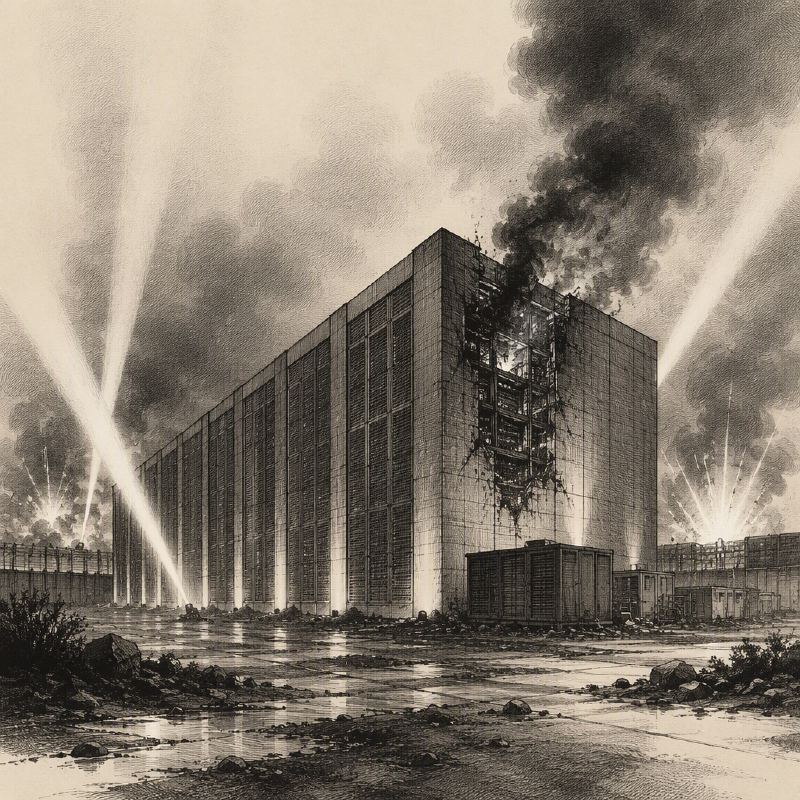
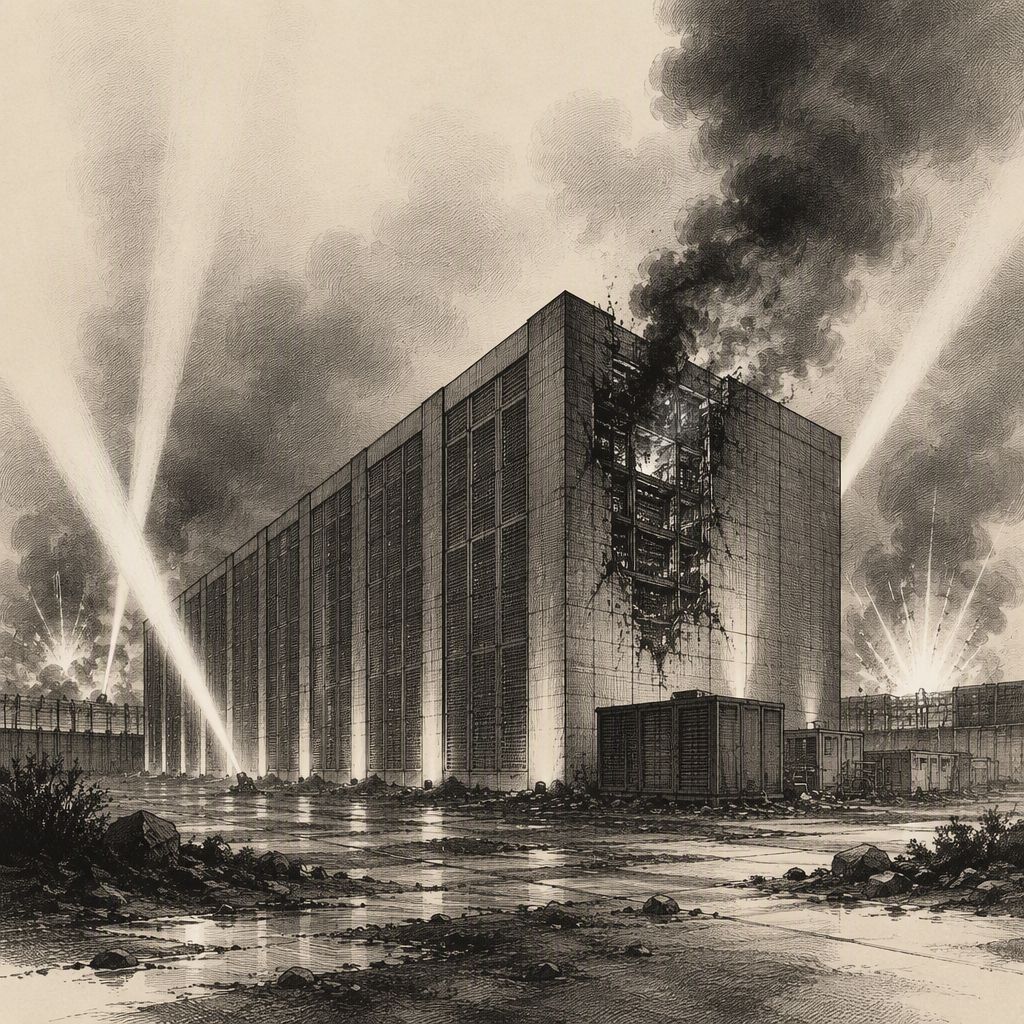
Thousands of Russian users reported experiencing problems accessing VKontakte, the country's dominant social network, and its associated music streaming service over the weekend. The disruptions began on Sunday, October 18, following a reported Ukrainian drone strike on a data center located in the Leningrad region. Users complained of difficulties loading news feeds, playing music, and accessing other core functionalities of VK's platforms.
While VK officially confirmed the facility was targeted in an overnight attack, the company asserted that its services remained available and unaffected. However, independent monitoring services painted a different picture, recording a significant surge in user complaints and a noticeable decline in VK's network connectivity. Outage-tracking website Downdetector logged approximately 6,600 reports of issues with VK services on Sunday, with another Russian monitoring service, Sboy, registering around 2,100 complaints. Internet monitoring organization NetBlocks reported that connectivity associated with VK had fallen to 56% of its normal levels during the incident.
By Monday, the volume of user complaints had decreased, according to Detector404, though many users continued to report persistent problems with uploading media, streaming music, logging in, and sending messages. The extent of the damage to the data center and the number of affected servers have not been disclosed by VK.
Ukrainian drone manufacturer Fire Point claimed that its FP-1 drones were used in the strike, targeting VK's data center among other locations. The company asserted that the facility sustained significant damage, and cited previous figures indicating the site housed over 20,000 servers. Reports from Ukrainian media and open-source intelligence analysts suggested extensive structural damage, including a partial roof collapse, though these claims could not be independently verified.
Pavel Durov, the co-founder of VKontakte who later founded Telegram, commented on the incident, noting that he had built the data center approximately 15 years prior. He stated, "They failed to protect it," highlighting the vulnerability of the infrastructure.
This incident is part of a broader pattern of attacks targeting data centers in both Russia and Ukraine. Earlier in October, Ukrainian forces reportedly struck Yandex data centers multiple times, leading to widespread disruptions of the Russian tech giant's services. Data centers belonging to Sberbank, Russia's largest bank, have also reportedly been targeted.
Conversely, Russia has also intensified its attacks on Ukrainian infrastructure. A recent ballistic missile strike destroyed equipment at a Kyiv data center operated by Datagroup, rendering it irreparable. In September, Russian attacks damaged at least six data centers in Ukraine, impacting facilities operated by companies like MiroHost and UTELS. Ukraine has stated that Russian data centers are being used to support its military operations.
The attack on VK's data center underscores the growing use of physical infrastructure as a target in the ongoing conflict, impacting critical digital services and user data for millions.