
Russian Influence Operation Leverages AI to Target Latin America
A Russian influence operation, dubbed 'Dark Clark,' is employing AI-driven tactics to spread disinformation and sow political division across Latin America, targeting educational institutions and local politics.
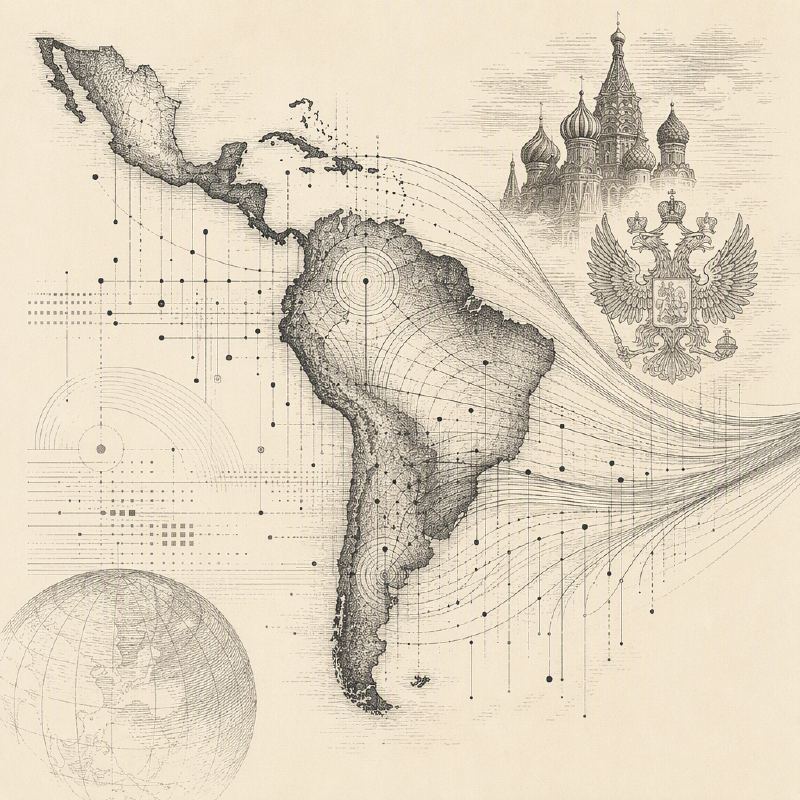
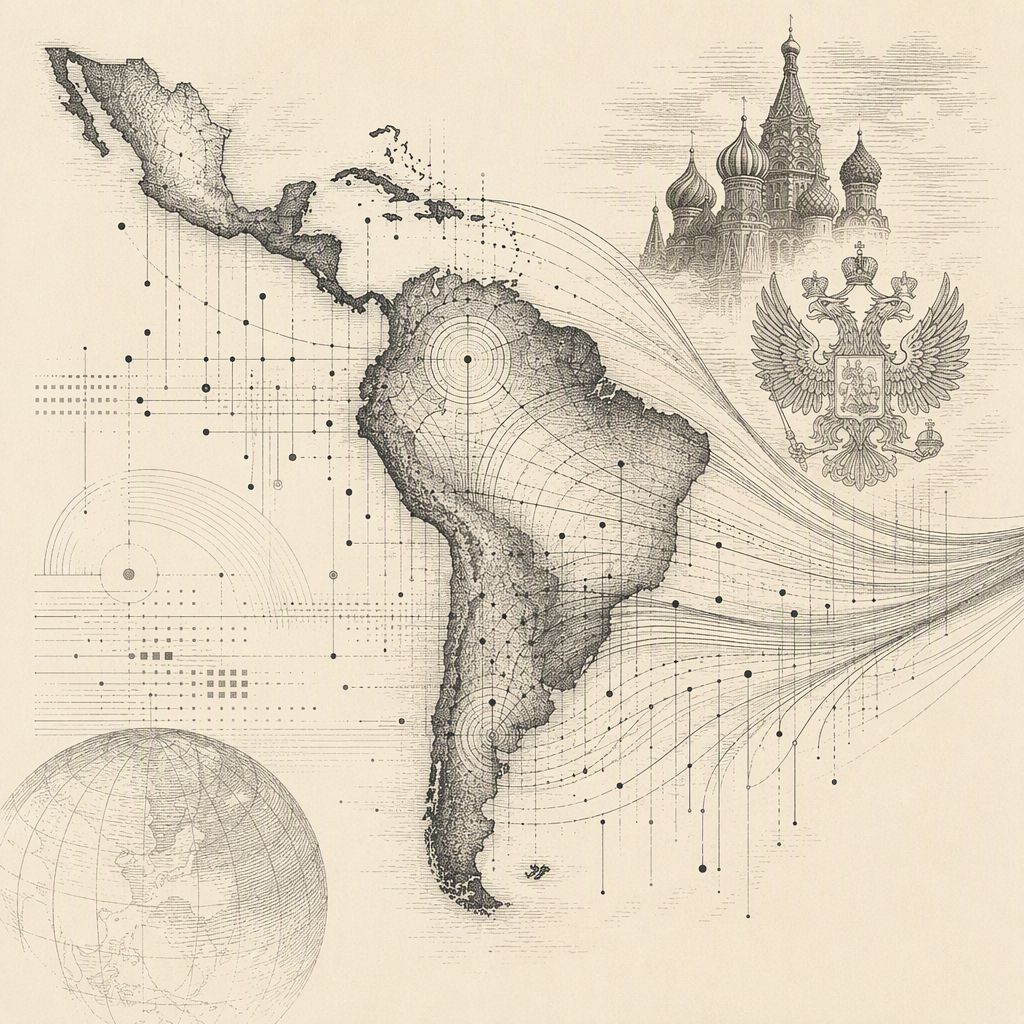
A sophisticated Russian influence operation, identified by OpenAI as 'Dark Clark,' is actively targeting Latin America with AI-enhanced disinformation campaigns. The operation utilizes a combination of AI-powered planning and reporting alongside traditional methods to create and disseminate fake narratives, aiming to influence local politics and sow discord.
One notable tactic involved spoofed emails, posing as education authorities in Peru and Ecuador, which successfully tricked some schools into participating in events. These events, centered around a fabricated 'National Day of Cultural and Linguistic Diversity' and featuring Ukrainian political figures, were then exploited by the operators to generate controversy and spread disinformation. OpenAI's analysis revealed that the operators used AI to streamline their workflow, generate internal reports, and craft campaign content, significantly increasing their efficiency and scale.
Latin America has become a critical battleground for cyber espionage and influence operations, with major global powers vying for influence. This region has experienced the highest rate of cyberattacks globally. Previous campaigns by China-linked actors have targeted Venezuela and Panama for intelligence gathering, while Russia has expanded its cyber-intelligence and disinformation efforts, often aimed at countering U.S. initiatives in the region, according to a 2026 RAND report.
The 'Dark Clark' operation appears to be linked to 'Politology' or 'La Compania,' an entity associated with the late Russian oligarch Yevgeniy Prigozhin. OpenAI's analysis of the operational data provided to their AI models included extensive details about the group's past activities, further connecting them to Prigozhin's networks.
In Peru, the operation sent official-looking directives to schools in Lima, instructing them to hold activities related to Ukrainian political figures. While OpenAI found corroborating evidence for some claims, such as an official letter from Peru's Ministry of Education acknowledging the fraud, other claims could not be independently verified. The success of this campaign was rated a 5 out of 6 on OpenAI's Influence Operations Breakout Scale due to its impact, including a politician in Poland citing the events.
Similar tactics were employed in Ecuador, where schools were tricked into holding ceremonies pledging allegiance to President Daniel Noboa and Erik Prince. These events led to local news coverage and an official denunciation by the Minister of Education. OpenAI also noted claims of other operations, such as spreading a false story about a Brazilian influencer being trafficked to Ukraine and circulating an audio clip about Bolivian banks limiting cash withdrawals, though evidence for these could not be found.
The Russian operators established a "research platform" called the Social Research Center, which hired regional employees to create local content without their knowledge of the disinformation campaign's true nature. While the operations were geographically focused on Latin America, their ultimate goal was to damage Ukraine's international relationships and reputation.
OpenAI concluded that while AI did not create entirely new attack vectors, it provided significant advantages. These included more natural-sounding native-language translations, the ability for operators to more easily adopt specific personas, and an overall easing of the operational workflow. This incremental advantage, compared to previous operations like those by the Internet Research Agency, allows for more efficient and subtle disinformation dissemination.