
Russia's Alabuga Drone Recruitment Campaign Uses Gamification to Lure Global Youth
A sophisticated recruitment campaign linked to Russia's Alabuga Special Economic Zone is leveraging a drone warfare video game and social media influencers to attract young people worldwide into its drone manufacturing industry.
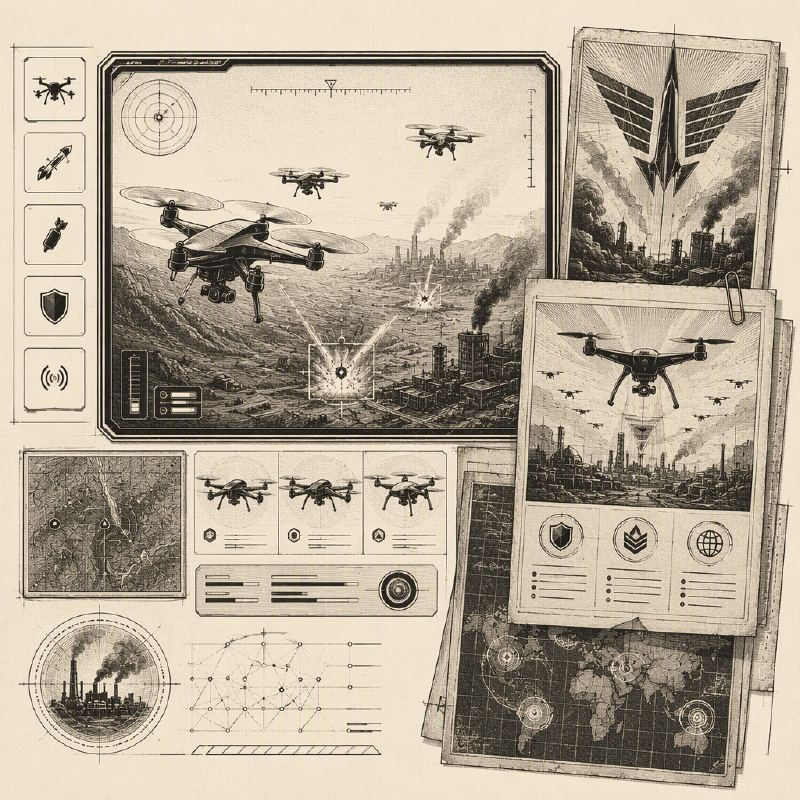
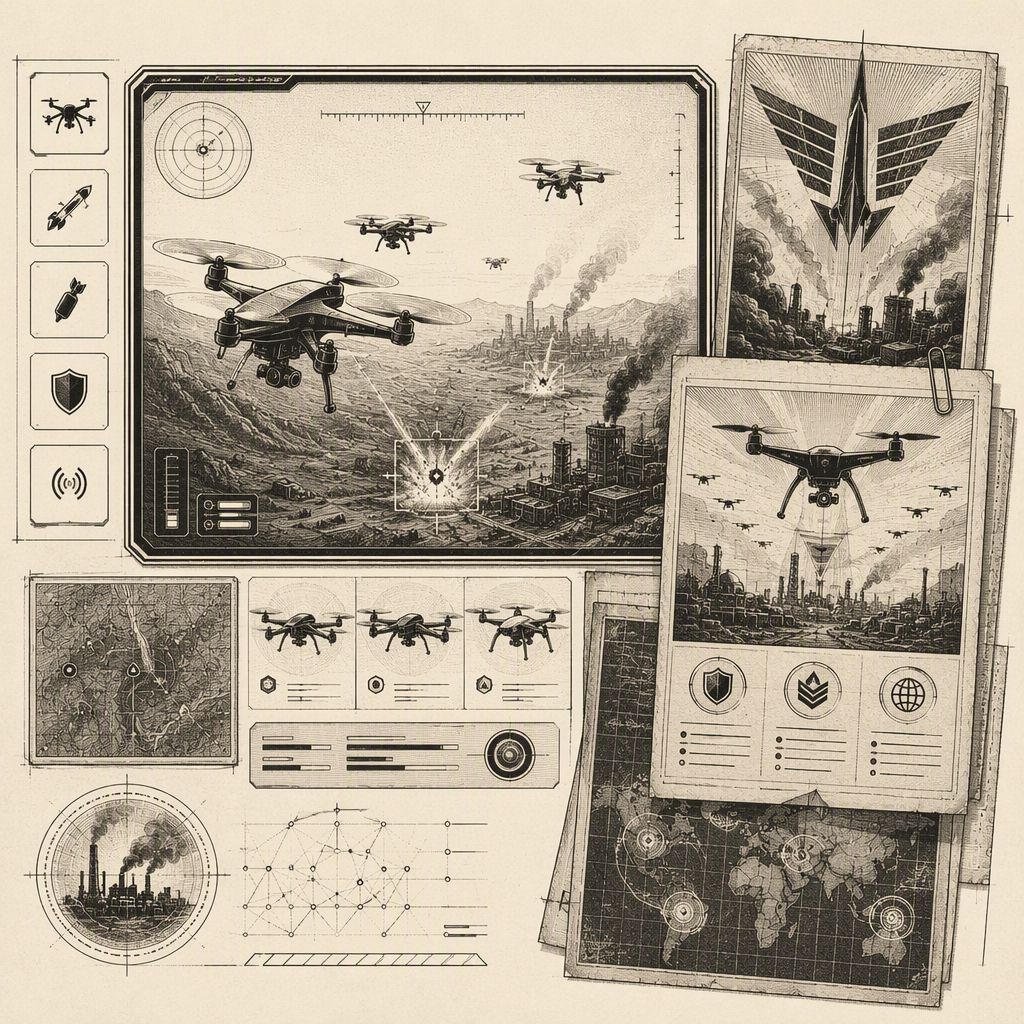
A video game titled "Drone Battle: Ukraine" is at the center of a complex recruitment operation orchestrated by Russia's Alabuga Special Economic Zone, a facility known for producing attack drones utilized in the ongoing conflict. Investigators have identified this game as the latest tactic in a broader campaign designed to ensnare young individuals globally. The campaign strategically employs major social media platforms, including YouTube, TikTok, Instagram, and X, to reach its target audience, using gamification and influencer marketing to mask its true objectives.
The "Drone Battle: Ukraine" game, available in English, Russian, and Chinese, presents a stylized depiction of conflict between Russia and NATO. However, its primary function is not entertainment but rather to serve as an initial lure. It acts as the entry point to a recruitment funnel that promises young people educational opportunities, career advancement, travel, community engagement, and exposure to cutting-edge technology. Ultimately, the campaign aims to steer interested recruits toward employment assembling drones at the Alabuga facility.
This initiative extends beyond just the drone warfare game. The same recruitment channels have also promoted other games that frame activities like construction, teamwork, strategy, and professional development as engaging challenges and unlockable levels. This pervasive use of gamification is a core component of the recruitment strategy, designed to make participation feel like a game, portray a military-industrial workplace as modern and exciting, and facilitate a seamless transition between the two.
While gamification is a common practice in recruitment and training, the concern here lies in its combination with sophisticated social engineering techniques. This approach manipulates human decisions and obscures the genuine nature of the employment being offered. Investigators highlight several social engineering tactics at play: targeting individuals receptive to recruitment through the game, baiting them with promises of scholarships and travel while downplaying the actual work, leveraging influencers for persuasive testimonials, and normalizing militarized narratives through game-like engagement.
The recruitment process is designed as a series of small, incremental steps. It begins with simple actions like playing a game or following an account. Participants are then gradually encouraged to join tournaments, communicate with recruiters, submit personal details, and potentially travel, often only discovering the full scope of the work much later. Each interaction increases commitment, making subsequent steps appear less significant.
In response to these allegations of deceptive recruitment and human rights abuses, several US-based social media platforms have begun taking action against Alabuga-linked accounts. Following an Associated Press investigation in 2024, Google, Meta, and TikTok removed numerous accounts associated with "Alabuga Start." Despite these efforts, organizers have reportedly created new accounts to continue their recruitment activities across various platforms. More recently, Ukraine's Minister of Foreign Affairs reported that YouTube removed approximately 600 promotional videos for Alabuga, which had been spread across hundreds of channels with a combined audience exceeding 500 million subscribers.
Despite these platform actions, the campaign reportedly remains active on platforms like X and Telegram. The Foundation for Defense of Democracies (FDD) has noted the organizers' persistence in creating new accounts. The Ukrainian government also indicated its intention to pursue sanctions against individual bloggers who accepted payment to promote the sanctioned weapons manufacturer to their audiences.
For individuals, traditional scam advice remains relevant: independently verify employers, research complaints, discuss offers with trusted contacts, and never pay for a job. Gamers, in particular, should approach unsolicited offers for career, travel, or training opportunities with caution, especially if they seem unusually generous or vague. Open discussions about these recruitment tactics among friends, families, educators, and youth organizations are crucial to help potential targets recognize and resist these manipulative strategies.