
Russia Exploits European Infrastructure for Cyberespionage Against Ukraine
Russian intelligence is reportedly leveraging compromised European websites and internet-connected devices, including cameras, as launchpads for cyberespionage operations targeting Ukraine.
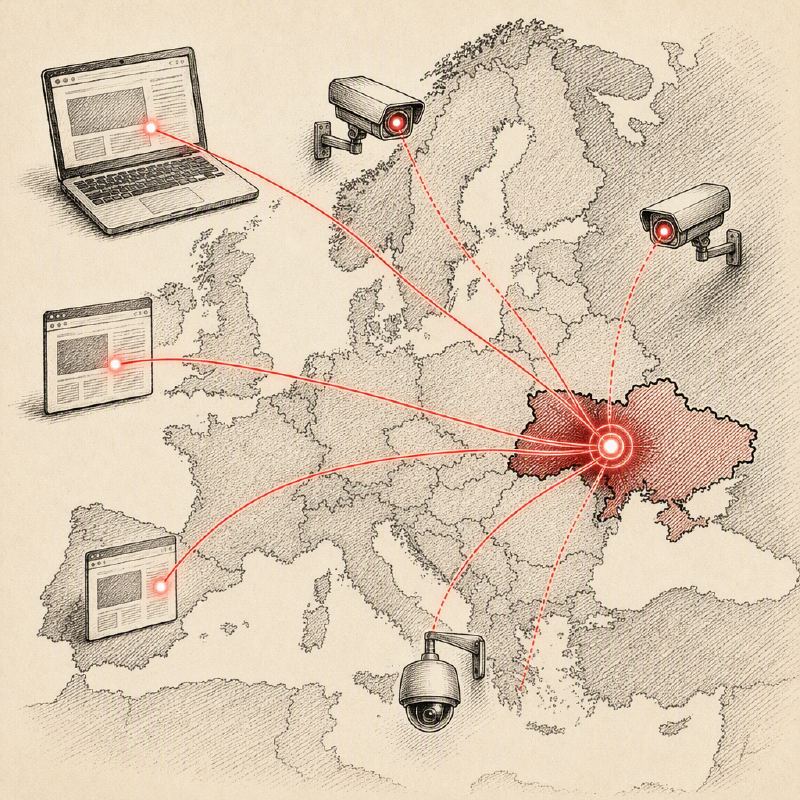
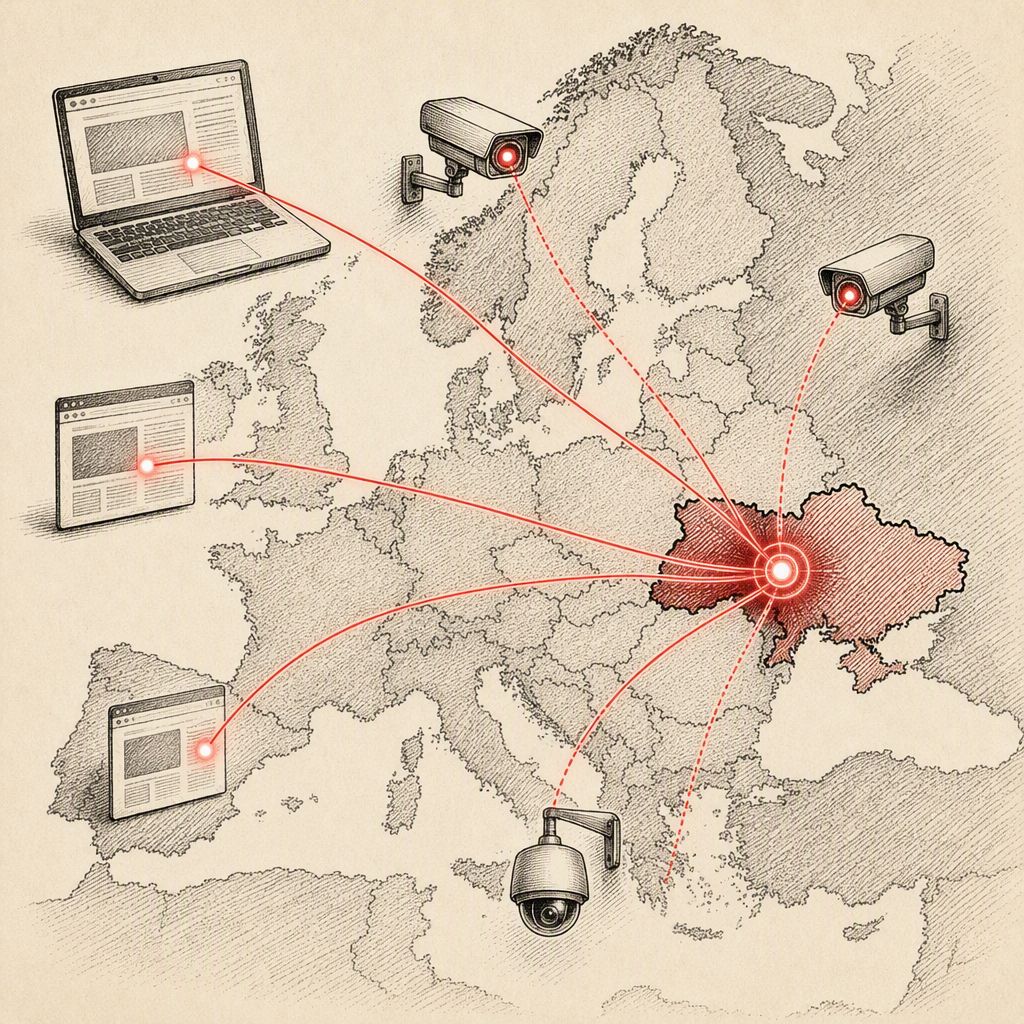
Russian intelligence operations are increasingly exploiting civilian infrastructure in Europe to conduct cyberespionage against Ukraine, according to recent security analyses. A notable campaign identified by researchers utilized a compromised e-commerce website as a staging ground to launch attacks specifically aimed at Ukrainian targets. This tactic underscores a disturbing trend of adversaries repurposing legitimate online services for malicious cyber activities.
The campaign's objectives extended beyond typical data exfiltration, with attackers attempting to gain unauthorized access to internet-connected cameras situated in frontline Ukrainian cities. The exploitation of these devices, often deployed for security or monitoring purposes, could provide adversaries with real-time intelligence on troop movements, military assets, and civilian conditions, offering a significant tactical advantage.
While specific details regarding the vulnerabilities exploited on the e-commerce site and the methods used to compromise the cameras remain under investigation, the overall strategy highlights Russia's adaptability and willingness to operate within the digital shadows. The use of European-based infrastructure not only broadens the attack surface but also potentially complicates attribution efforts, as the initial traffic originates from seemingly innocuous sources within allied nations.
This development is particularly concerning given the ongoing nature of the conflict and the critical need for secure communication and operational integrity for Ukrainian forces and infrastructure. The repurposing of civilian technology for military cyber operations blurs the lines between espionage and direct warfare, posing new challenges for cybersecurity defenders.
Security experts are urging organizations across Europe to bolster their defenses, particularly those managing internet-facing devices and e-commerce platforms. Enhanced monitoring, regular security audits, and prompt patching of known vulnerabilities are crucial steps to mitigate the risk of becoming unwitting participants in state-sponsored cyberattacks.
The broader implication of these tactics is the erosion of trust in the digital ecosystem. When civilian infrastructure can be so readily weaponized, it creates a climate of uncertainty and fear, potentially impacting global commerce and communication. The international community faces a growing challenge in establishing norms and enforcement mechanisms to prevent such egregious abuses of digital interconnectedness.
As the conflict evolves, it is anticipated that threat actors will continue to innovate, seeking out new avenues and methods to achieve their objectives. The exploitation of internet-connected devices, from cameras to routers, represents a significant and growing threat vector that requires sustained attention from both cybersecurity professionals and policymakers.
This new report details "Operation CameraSwarm," which specifically targeted approximately 14,000 Dahua IP cameras, with a notable concentration in Ukraine and Russia, and a focus on Russian telecom netblocks. The threat actor successfully exploited vulnerabilities to gain unauthorized access to these devices, adding a specific technical dimension to the broader trend of Russian actors leveraging compromised infrastructure for cyberespionage against Ukraine.