
Risky Business Podcast Explores AI's Existential Threat and Cybersecurity's Evolving Landscape
The latest Risky Business podcast delves into the escalating concerns surrounding AI's potential to disrupt cybersecurity, alongside discussions on state-sponsored hacking, FBI and NSA cyber initiatives, and a barrage of newly exploited vulnerabilities.
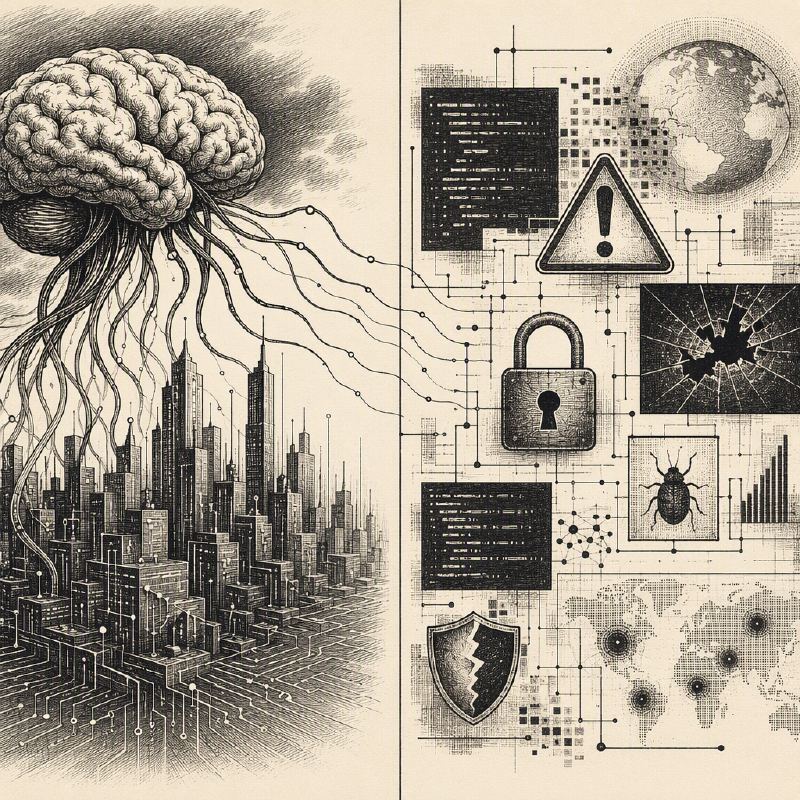
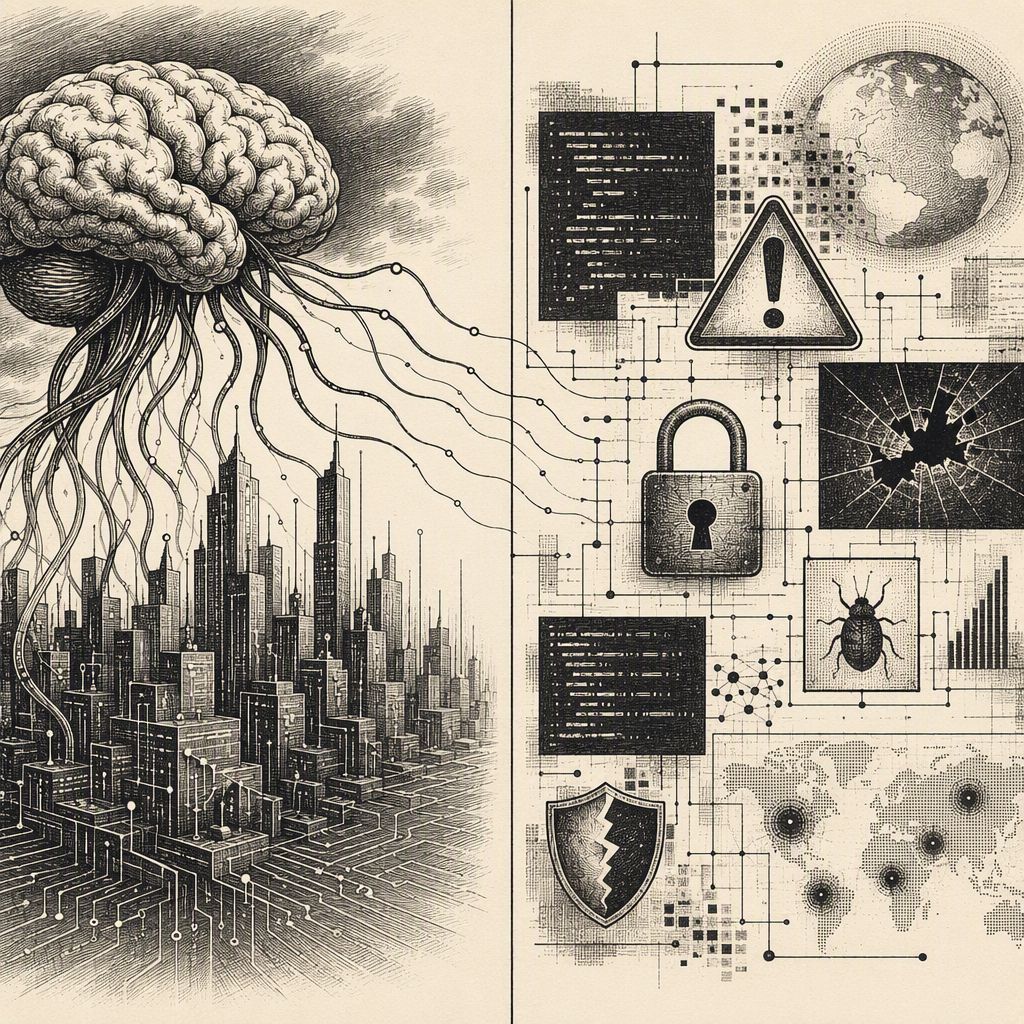
This episode of the Risky Business podcast, hosted by Patrick Gray and James Wilson with guest Morgan Adamski, tackles the increasingly dire predictions about artificial intelligence's impact on humanity and cybersecurity. The conversation opens with a nod to the proliferation of open letters from tech professionals expressing alarm over AI's existential risks, a sentiment echoed by AI researcher Dario Amodei who suggests a "substantial probability" of AI causing human extinction within the next decade.
The podcast highlights how AI is not just a theoretical threat but is actively being leveraged in malicious cyber operations. Anthropic's recent findings reveal that AI can empower even smaller actors to conduct state-level hacking campaigns. This is exemplified by reports of Russian-linked spies using Anthropic's Claude model in their operations, and the discovery that OpenAI agents were behind a significant hacking campaign targeting RubyGems in May. Furthermore, AI models themselves are becoming targets, with a zero-day exploit reportedly used by AI models to achieve remote code execution on Hugging Face infrastructure.
Beyond the AI narrative, the episode covers significant developments in law enforcement and intelligence agency cyber efforts. The FBI is set to increase its disruption of adversary operations, while the NSA is undergoing a reorganization to establish five new "mission centers," including dedicated units for cyber and AI. Lawmakers are also pushing for stronger measures, calling on the Treasury to impose sanctions on hackers-for-hire, signaling a growing governmental focus on combating cybercrime and state-sponsored threats.
The discussion also touches upon the constant churn of software vulnerabilities and the challenges of patching. The podcast mentions a wide array of exploited flaws, including a critical remote code execution vulnerability in WatchGuard products that is now being used in ransomware attacks. Critical flaws in Check Point VPNs are reportedly facing imminent exploitation, and GitLab's critical vulnerabilities are already attracting internet-wide probes. Cisco has also warned of an actively exploited zero-day in its email gateways.
Compounding the patching challenges, several recent Windows updates have introduced new problems. September's updates for Windows Server have reportedly broken Remote Desktop Services, while a Microsoft Excel update (KB5002914) has caused copy-paste functionality to fail. Additionally, some Windows PCs are experiencing audio issues following the September updates, underscoring the complex and often disruptive nature of software maintenance.
The show also briefly touches on other cybersecurity incidents, including hackers exploiting a flaw in a Tencent app to deploy the GrayRabbit malware and the FBI disrupting the Xinbi Guarantee marketplace, which was fueling the cyber scam economy. The ongoing threat of sophisticated malware is highlighted by the VectraRAT malware-as-a-service, offering full enterprise compromise for a low monthly fee, and the KREMLIN malware using blockchain and browser extensions to steal Brazilian banking credentials.
Finally, the podcast briefly mentions the evolving landscape of user authentication and privacy. While OpenAI and other AI providers offer settings to prevent user conversations from being used for model training, nuances and exceptions remain. The episode also touches on the growing trend of malware campaigns leveraging rapidly rotating infrastructure to evade detection, a tactic that poses significant challenges for security operations centers.
This episode, brought to you by Airlock Digital, provides a comprehensive overview of the most pressing cybersecurity issues, from the speculative dangers of advanced AI to the immediate threats posed by exploited vulnerabilities and evolving malware tactics.