
Retadup Worm Re-Emerges After Seven Years to Distribute CoffeeLoader Malware
The Retadup worm, once a significant threat, has resurfaced after a seven-year hiatus, now acting as a dropper for the CoffeeLoader malware.
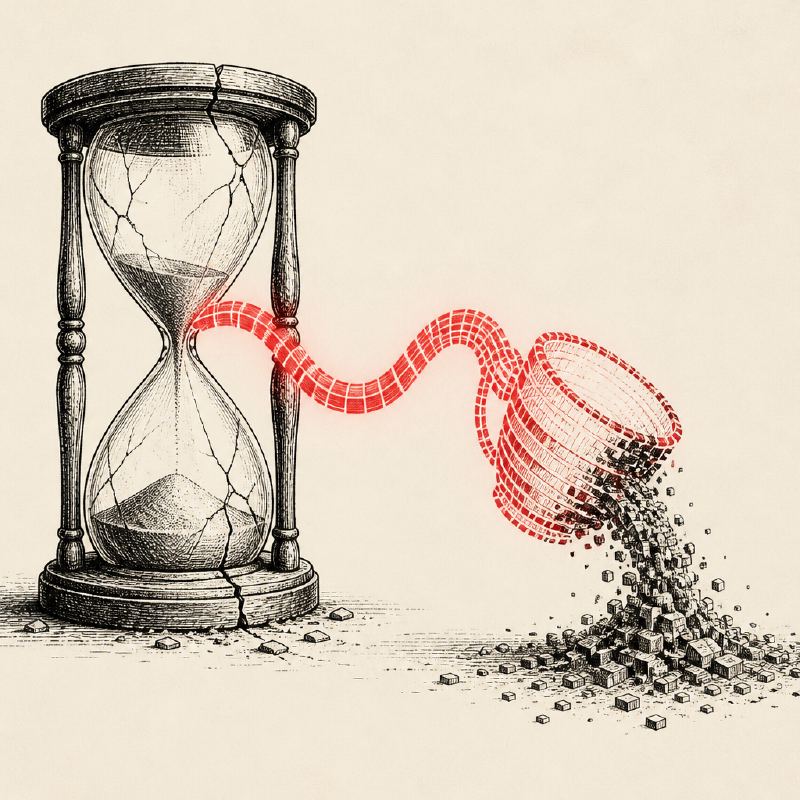

The Retadup worm, a notorious piece of malware that was largely dormant for approximately seven years, has made a comeback, researchers have revealed. This resurgence sees the worm repurposed to distribute a more contemporary threat: CoffeeLoader, a malware designed to deliver further malicious payloads to compromised systems.
Kaspersky's analysis details how the new variant of Retadup employs a sophisticated infection chain. Upon execution, an installer, built using the Nullsoft Scriptable Install System (NSIS), drops a specially patched version of a file named '7z.dll' into a temporary directory on the victim's machine. This DLL is not an ordinary component; it's a malicious payload designed to be executed.
The execution of this malicious DLL is facilitated by the legitimate Windows utility 'rundll32.exe'. This technique is common among malware authors as it leverages a trusted system process to run malicious code, often helping to evade basic security detection mechanisms that might flag unknown executables. The '7z.dll' file, once loaded by rundll32.exe, then proceeds to fetch and execute additional malware, likely CoffeeLoader itself or other components.
While the exact initial infection vector for this new Retadup variant is not fully detailed, historically, worms like Retadup have spread through various means, including exploiting network vulnerabilities, using removable media, or tricking users into executing malicious files disguised as legitimate software or documents. The re-emergence of Retadup highlights the persistent nature of older malware families, which can be updated and repurposed by threat actors to serve new malicious objectives.
CoffeeLoader, the malware being distributed, is known for its role as a loader, meaning its primary function is to download and execute other malware. This modular approach allows attackers to maintain flexibility, potentially switching out payloads as needed or using CoffeeLoader to deploy ransomware, information stealers, or other malicious software. The combination of a resurfaced worm with a modern loader creates a potent threat.
The implications of this renewed activity are significant. The fact that Retadup has been updated and is actively being used in the wild suggests that its original command-and-control infrastructure may have been re-established or that new methods of operation have been implemented. Security teams are advised to remain vigilant for indicators of compromise associated with both Retadup and CoffeeLoader, and to ensure their systems are protected against known distribution methods.
This development serves as a stark reminder that even long-dormant malware threats are not to be underestimated. The cybersecurity landscape is constantly evolving, and threat actors are adept at reviving and adapting older tools to fit current attack strategies. Organizations should prioritize robust endpoint protection, regular security awareness training, and prompt patching of known vulnerabilities to defend against such resurgent threats.
This new variant of CoffeeLoader, delivered by the Retadup worm, employs a patched 7-Zip DLL for its initial payload. The malware utilizes a new version of the Armoury packer which now leverages OpenGL for GPU-based decryption, a shift from the previous OpenCL implementation. Persistence is maintained via the Run registry key, and the downloader injects into legitimate Windows processes to fetch the main CoffeeLoader Trojan from its command-and-control server.