
Researchers Uncover 'EMBRACE' Vulnerabilities in AI Coding Tools, Exposing Developer Data
A new class of vulnerabilities named EMBRACE affects embedded browsers in popular AI coding tools, allowing attackers to execute code, steal files, and spoof addresses.
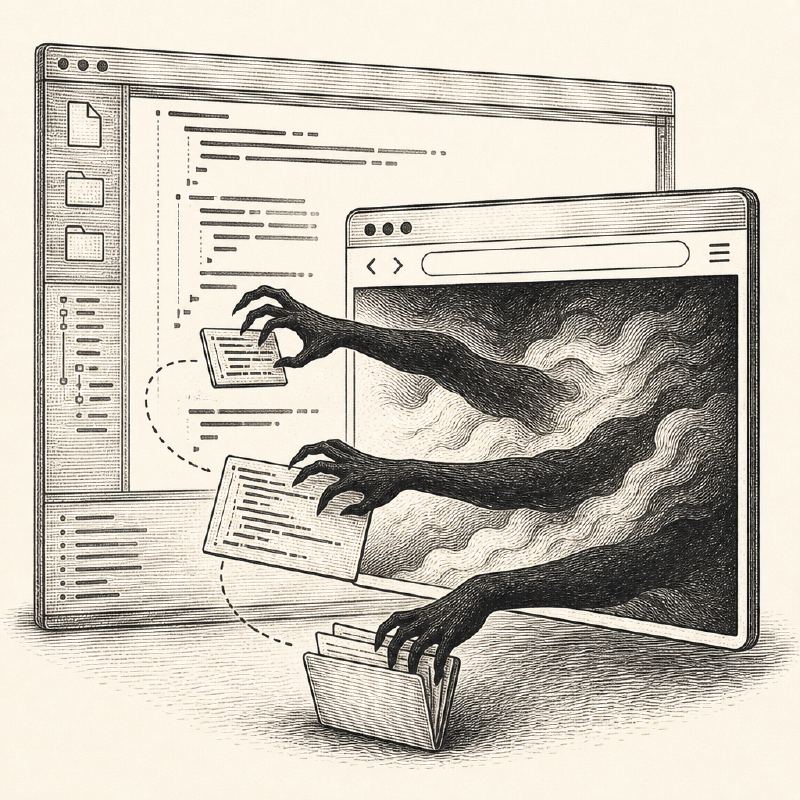
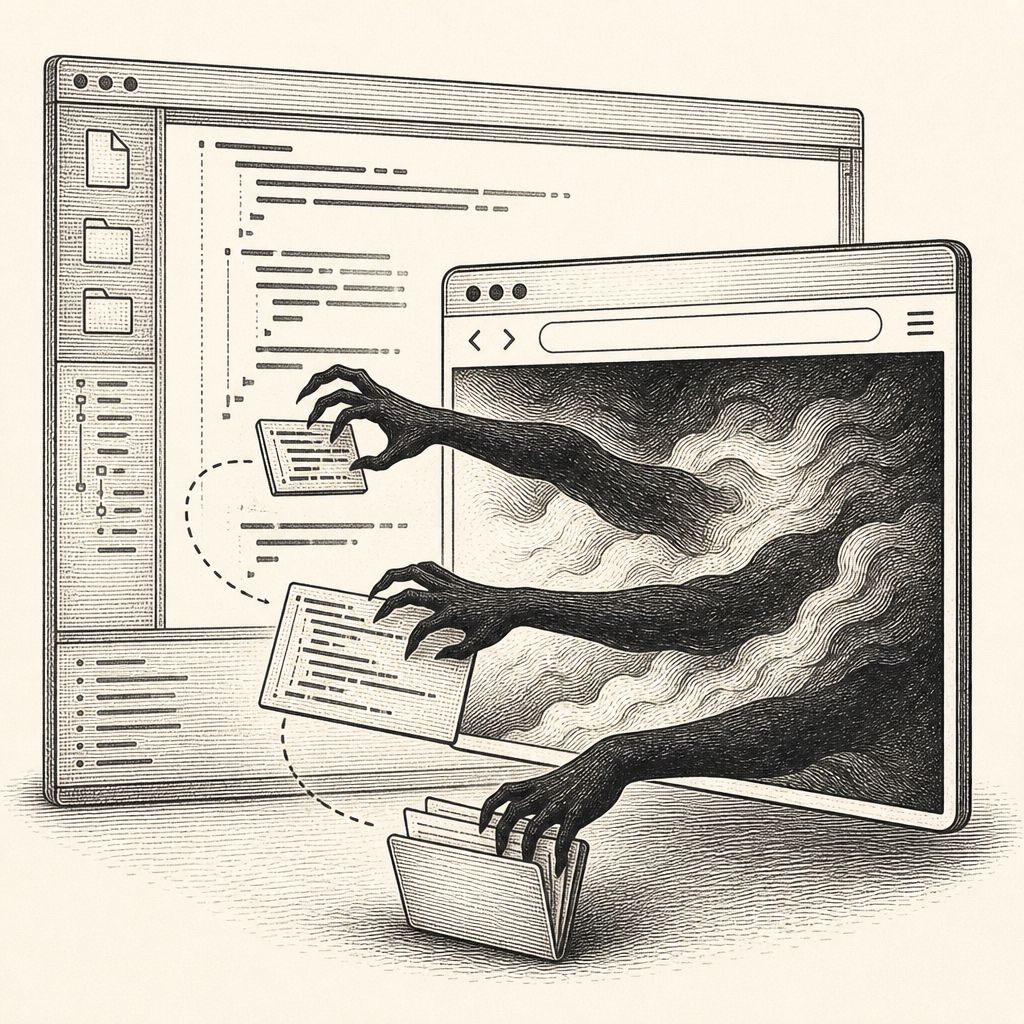
Researchers have identified a significant class of vulnerabilities, dubbed EMBRACE, that impact the embedded browsers within widely-used AI coding assistants. These flaws, detailed in a report released on October 29, 2026, exploit the trust boundaries between these browsers and their host applications, potentially enabling attackers to execute arbitrary code, steal sensitive files, and perform address-bar spoofing attacks on developer machines.
The EMBRACE vulnerability class stems from a shared design problem where features intended to enhance user experience and preview functionality inadvertently grant excessive permissions to untrusted web content. These features, such as project previews, page reading, and tab tracking, can be abused to break security barriers. For instance, in Cursor, a window.cursorBrowser.send() bridge allowed any loaded page to inject content into the agent's instruction box without user interaction. Attackers could leverage this to construct malicious commands, such as an npm installation command, which, upon a single user confirmation, could lead to code execution outside the intended sandbox.
GitHub Copilot's embedded browser preview was found to accept address updates directly from the loaded page. While it performed basic address format checks, it failed to verify if the reported address actually matched the content being displayed. This allowed researchers to craft a malicious page that presented github.com/login in the preview's address bar, misleading both the user and the AI assistant into believing they were interacting with a legitimate GitHub login page, while the actual content originated from an attacker-controlled server.
Claude Desktop and VS Code exhibited similar weaknesses by failing to consistently apply file access restrictions within web workers, which run background scripts. A malicious local preview page could initiate a web worker to read files located outside the intended project directory. Codex presented an even more direct vulnerability, allowing its local pages to fetch arbitrary files from the host machine. Researchers demonstrated this by accessing sensitive files like SSH keys, .env files, npm tokens, and private documents on macOS, exfiltrating them to a local receiver.
Remediation efforts have seen mixed results. Forever Security reported that Cursor patched its vulnerability on October 1, 2026. GitHub addressed the address-spoofing issue in Copilot version 1.1.29, released on October 13, 2026. However, as of the report's publication, both Codex and VS Code remained unpatched. Microsoft reportedly rejected the findings related to Workspace Trust, while OpenAI did not provide a response. Anthropic initially rejected the issue concerning Claude Desktop but later accepted it, though a clear patch status was not provided.
These findings highlight a growing concern regarding the security of AI-powered developer tools. As these tools become more integrated into developer workflows, the potential attack surface expands. The EMBRACE vulnerabilities underscore the critical need for robust security practices in the development of AI assistants, particularly concerning how they handle embedded web content and interact with the host system's resources.
The implications of these vulnerabilities are far-reaching, potentially impacting the integrity of code development, the security of sensitive intellectual property, and the overall trust developers place in AI coding companions. The ongoing patching efforts and the varying responses from vendors emphasize the complex challenges in securing these rapidly evolving technologies.