
Researchers Expose Bluetooth Vulnerabilities in Volkswagen Cars, Enabling Data Snooping and Remote Control
A chain of Bluetooth vulnerabilities, dubbed PerfektBlue, affects Volkswagen vehicles, allowing attackers to potentially eavesdrop on conversations, track GPS locations, and control cabin features.
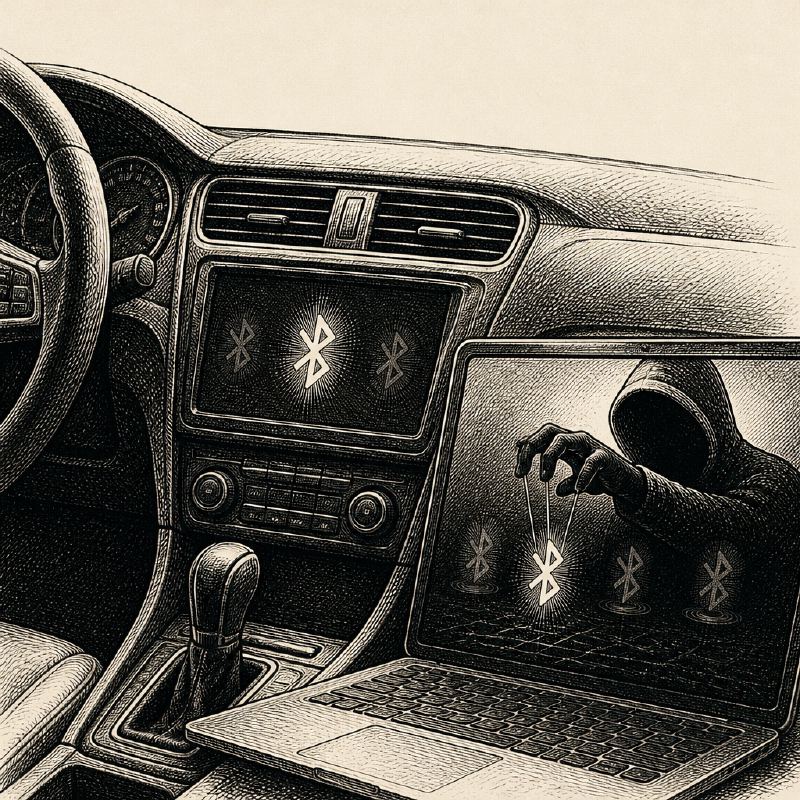
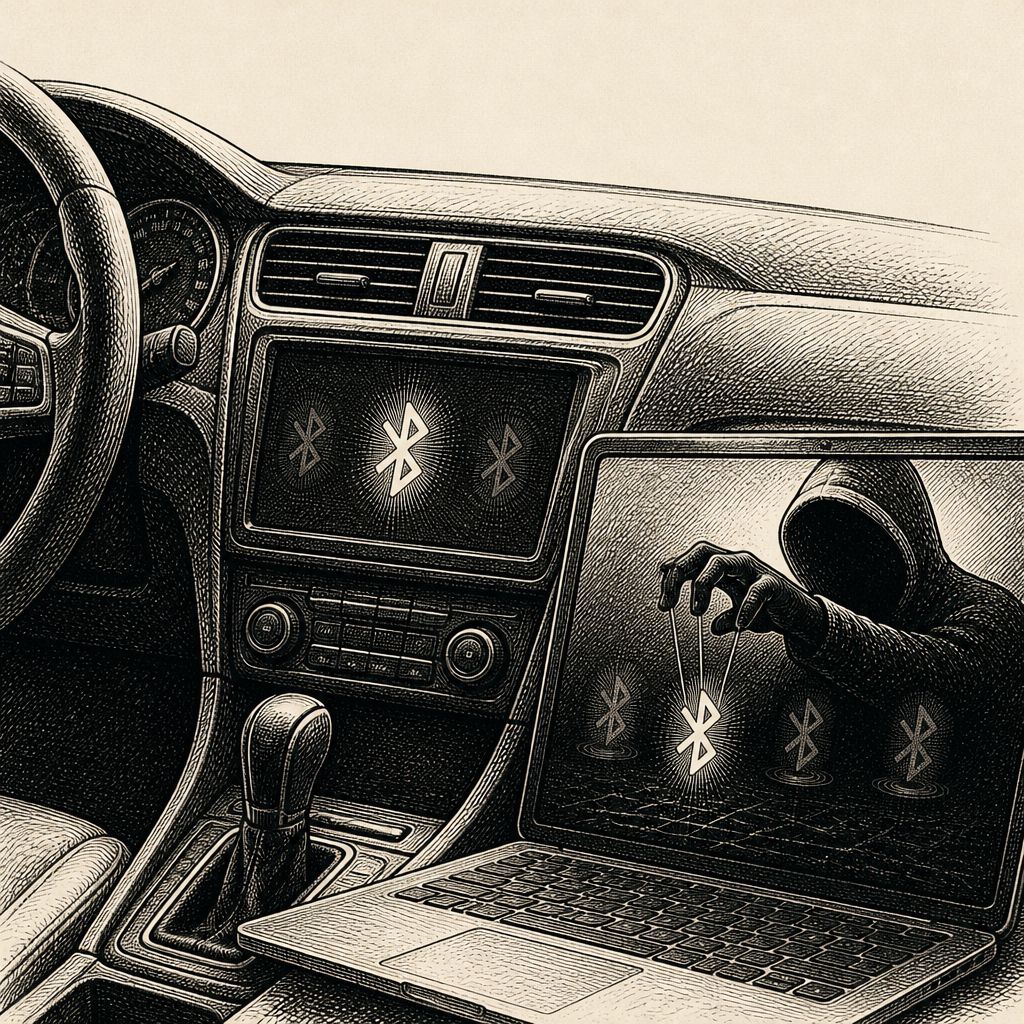
Researchers have uncovered a critical Bluetooth vulnerability chain, named PerfektBlue, that impacts a significant number of Volkswagen vehicles, posing risks to user privacy and vehicle control. The exploit chain, demonstrated by Hungarian firm PCA Cyber Security, allows an attacker to gain access to sensitive vehicle functions and data, including GPS location and in-cabin conversations, after an initial Bluetooth pairing is approved by the driver.
The PerfektBlue vulnerabilities reside within OpenSynergy's BlueSDK Bluetooth software, a component commonly used in vehicle infotainment systems. By chaining these flaws, attackers can execute arbitrary code on the affected systems. The demonstration, conducted on a Volkswagen ID.4, showcased the ability to control non-driving related cabin features such as the heater, windshield wipers, and sunroof, in addition to accessing the hands-free microphone and location data.
A crucial aspect of this attack is the requirement for the driver to manually approve a Bluetooth pairing request. This means that an attacker cannot silently compromise a vehicle without any user interaction. Rejecting an unfamiliar Bluetooth pairing request is a key mitigation against this specific attack vector. However, the potential for misuse remains high if users are not vigilant about the devices they connect to their vehicles.
Volkswagen has acknowledged the issue and is in the process of rolling out patches. The company stated that vehicles running infotainment software version 5.6 or later are not affected. For older versions, specifically those below 4.0, a patch (version 3.9.1) is available and can be applied over cellular or Wi-Fi while the vehicle is parked. However, some affected software versions necessitate a visit to a workshop for the update, which has contributed to a delay in full remediation, with some vehicles remaining vulnerable for approximately 16 months after the flaws were publicly disclosed.
While the vulnerabilities do not grant attackers control over critical driving systems like steering, braking, or acceleration, the implications for privacy are substantial. Access to microphone feeds could expose private conversations, and the ability to track GPS data could reveal detailed travel patterns and frequented locations. These privacy concerns are significant even without direct control over vehicle operation.
This is not the first time Volkswagen vehicles have faced security scrutiny. Previous research has identified separate vulnerabilities in their data and infotainment systems. However, the PerfektBlue chain represents a distinct threat vector focused on Bluetooth connectivity.
Volkswagen advises its customers to exercise caution by never accepting unknown Bluetooth pairing requests or connecting unfamiliar USB devices. Owners are encouraged to check their vehicle's current software version and follow official update instructions. For any uncertainty regarding patch availability or the update process, contacting a dealership is recommended.
While the reported demonstration highlights the potential risks, there is no indication of widespread criminal exploitation of these vulnerabilities in the wild. Nevertheless, the long patch rollout timeline and the nature of the privacy risks underscore the ongoing challenges in securing connected vehicle ecosystems.