
Researcher Demonstrates Database RCE Exploits Affecting PostgreSQL, MySQL, Oracle, and ClickHouse
A researcher has demonstrated remote code execution vulnerabilities in PostgreSQL, MySQL, ClickHouse, and Oracle, allowing low-privilege accounts to gain server control.
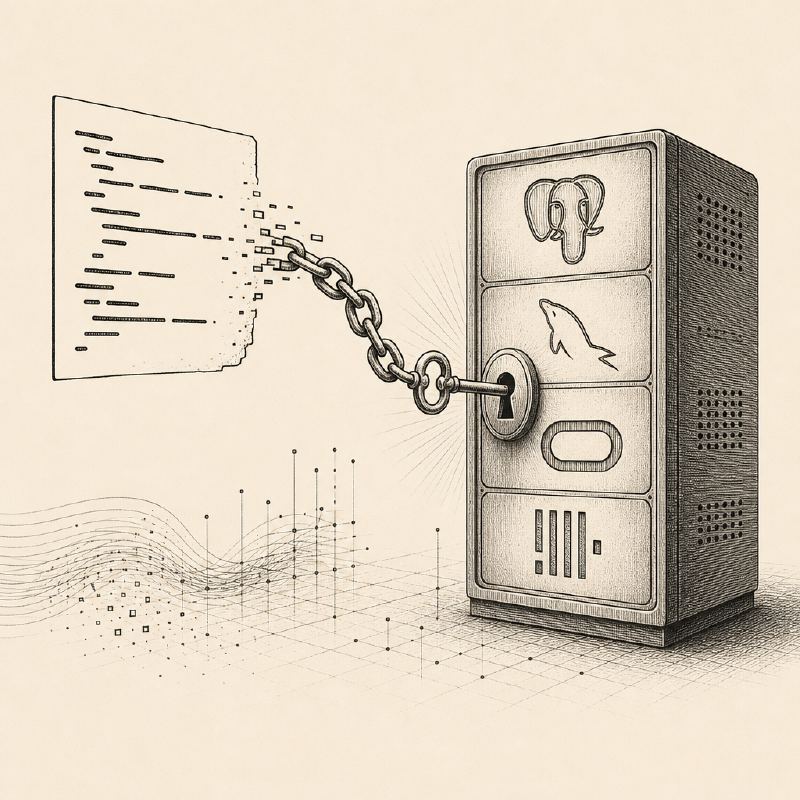
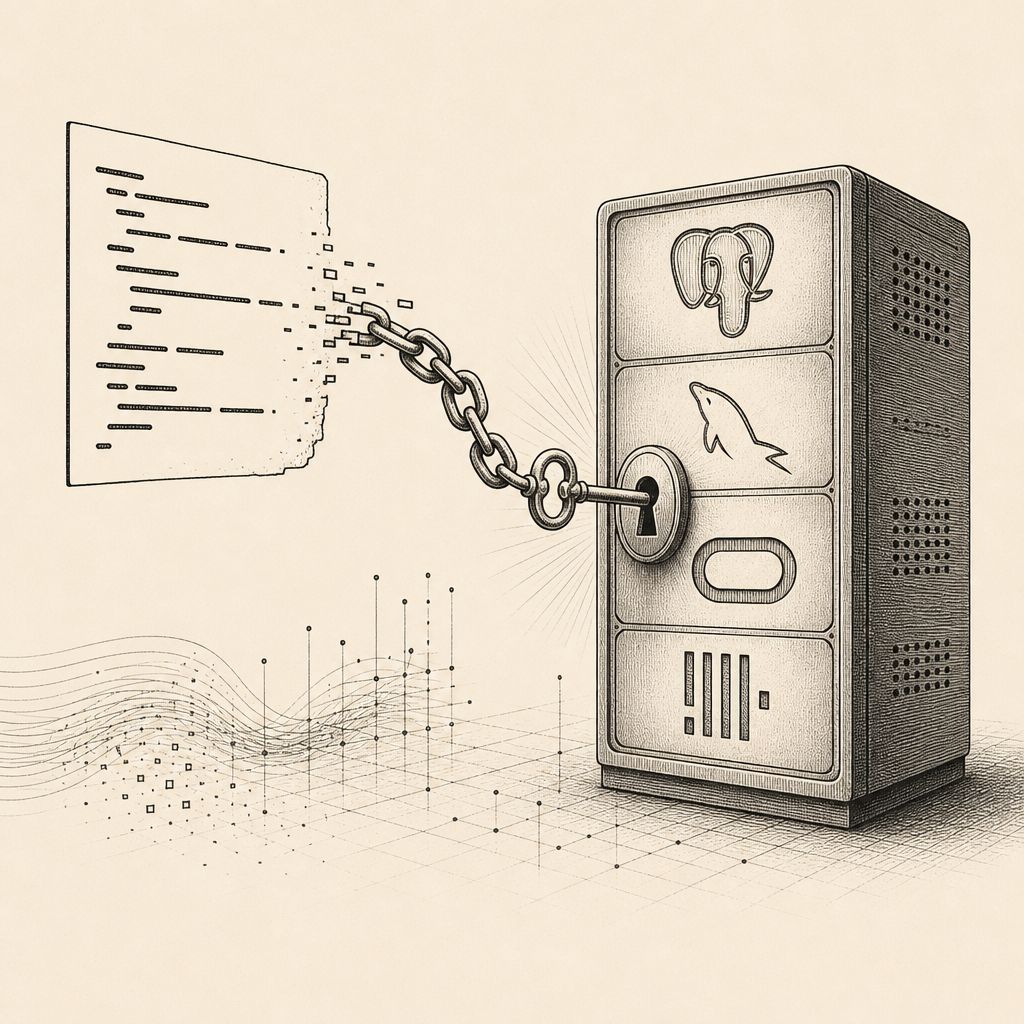
A security researcher has unveiled a series of critical remote code execution (RCE) vulnerabilities affecting widely-used database systems, including PostgreSQL, MySQL, ClickHouse, and Oracle. These exploits are particularly concerning as they can be leveraged by low-privilege database accounts, which typically have restricted access and cannot read sensitive application data, to gain full control over the database server itself.
The technical details reveal that the exploits target memory corruption bugs within the SQL engine code of PostgreSQL, MySQL, and ClickHouse. By carefully crafting malicious SQL queries, an attacker can trigger these memory safety issues, leading to arbitrary code execution on the underlying server. This bypasses traditional access controls, as the exploit originates from within the database's own trusted processes.
For Oracle databases, a separate exploit chain has been detailed, which is even more alarming as it requires no prior authentication to achieve RCE. This means that any attacker capable of reaching an Oracle database instance over the network could potentially execute arbitrary code on the server without needing valid credentials.
The researcher has published proof-of-concept (PoC) exploits for these vulnerabilities, demonstrating their feasibility and potential impact. While the exact versions affected are still being detailed, the nature of memory corruption bugs often means that multiple versions of the software could be susceptible.
The implications of these database RCE vulnerabilities are severe. Compromised database servers can lead to data breaches, system takeovers, ransomware attacks, or the use of the server for further malicious activities, such as launching attacks against other internal systems or becoming part of a botnet.
Database systems are often considered the crown jewels of an organization's infrastructure, holding sensitive customer information, financial data, and intellectual property. Exploiting RCE directly on these servers represents a significant security failure, allowing attackers to bypass application-level security and gain direct access to the data and the underlying operating system.
Organizations relying on PostgreSQL, MySQL, ClickHouse, or Oracle are strongly advised to review the researcher's findings closely and prepare for potential patches or mitigation strategies. The disclosure of these exploits underscores the ongoing need for robust security practices, including regular patching, strict access controls, and network segmentation, even for the most fundamental components of IT infrastructure.