
Renault Car's 15-Year-Old Linux Navigation System Hacked for Root Access
A security researcher exploited chained vulnerabilities in a 2014 Renault Latitude's 15-year-old Linux navigation system to achieve arbitrary root command execution.
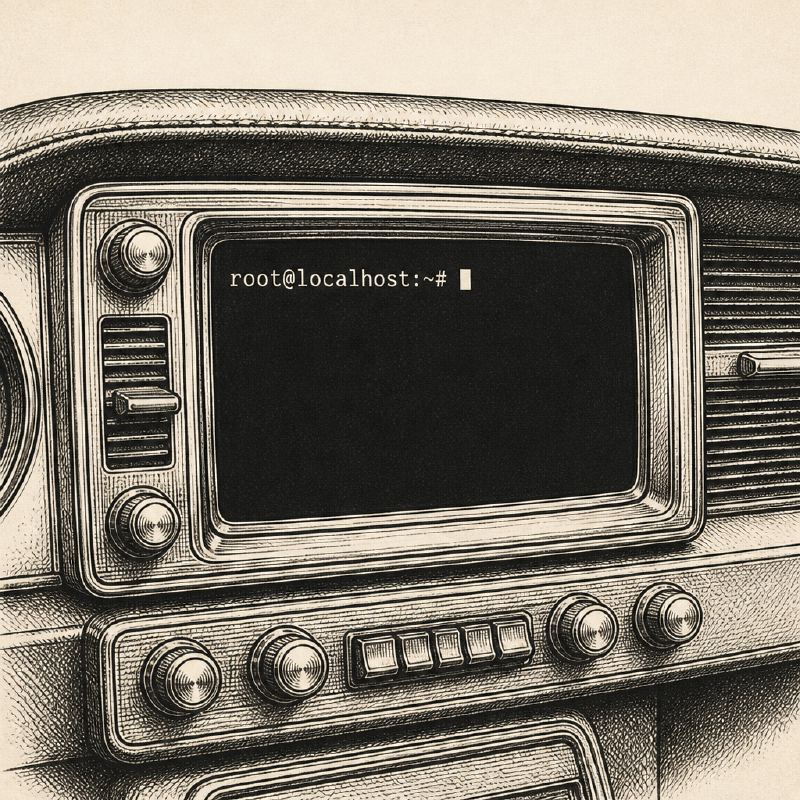
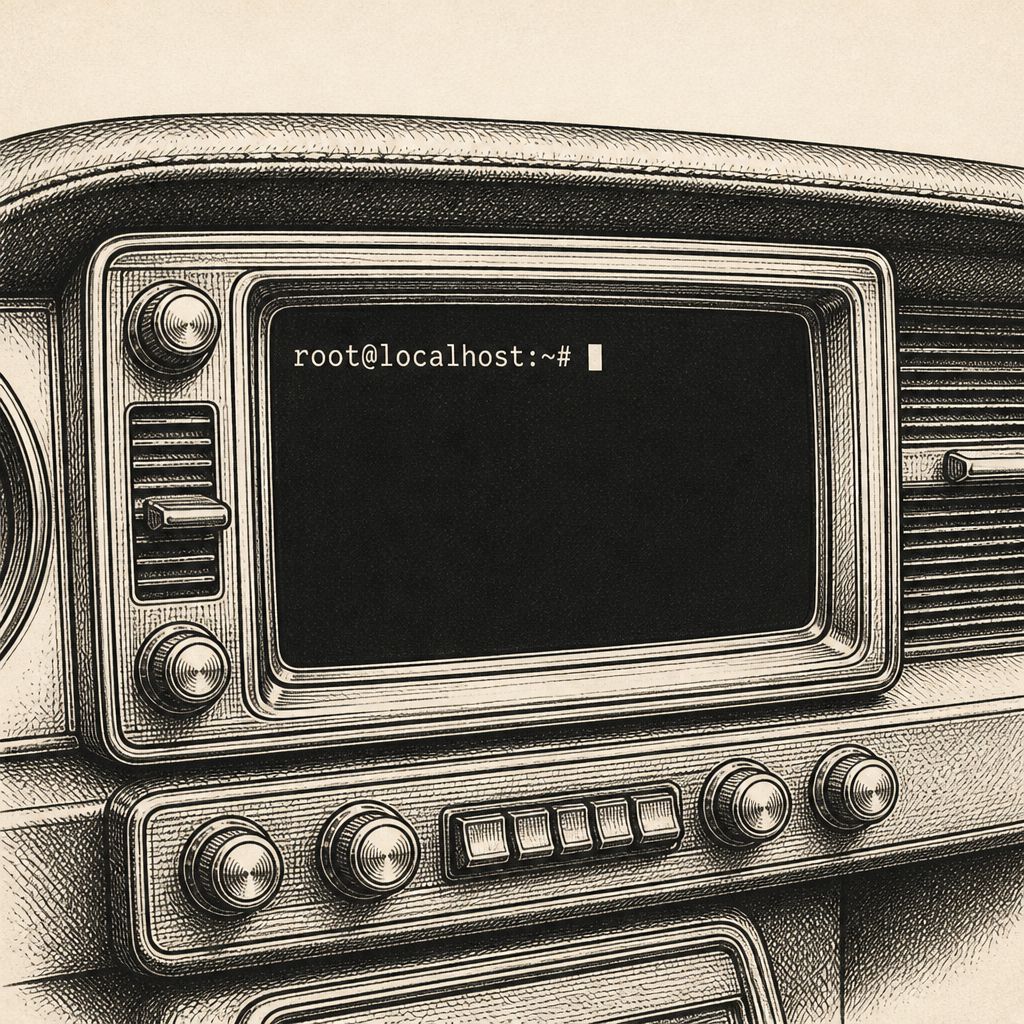
A security researcher has successfully demonstrated the ability to execute arbitrary commands with root privileges on the navigation unit of a 2014 Renault Latitude. The exploit targets the TomTom Carminat LIVE head unit, which runs a custom operating system based on the aging Linux kernel version 2.6.28.10. This discovery, published by NNS.ee, underscores the persistent security risks associated with long-lived, unpatched embedded software commonly found in vehicles.
The vulnerability chain was uncovered by researcher Rasmus Moorats, who initially sought to fix the unit's clock after a daylight saving time change. He found that the system lacked a direct time setting option and required a genuine map SD card to access its settings menu. The core of the exploit lies in how the navigation unit processes a script file, master.script, located on the SD card. By chaining together several minor flaws, Moorats was able to gain complete control over the device.
Despite its age, the navigation unit incorporates several security measures. Most partitions are mounted as read-only, and the noexec flag prevents program execution from certain areas. Furthermore, the system employs DRM checks for SD cards, rejecting blank or copied media, and update images are digitally signed, preventing the easy installation of modified firmware. To bypass these protections and conduct his research safely, Moorats developed a QEMU emulator that mimicked the unit's boot process and file interactions.
During his analysis, Moorats identified two key commands within master.script: SHEX and LOG. The SHEX command can execute system programs but does not allow for passing arguments. The LOG command, however, writes plain text to a file and contains a path traversal vulnerability. This flaw allows the LOG command to write outside its intended directory using ../ sequences. Since the ttn parser, which processes master.script, runs with root privileges, any write operation, including those exploiting path traversal, is performed as root.
Neither vulnerability was sufficient on its own due to the read-only root filesystem and the inability to execute code directly from the SD card. Moorats employed a technique similar to Linux kernel exploits by using the LOG command to modify the /proc/sys/kernel/core_pattern setting. This kernel parameter dictates how the system handles program crashes. By overwriting it with a pipe command, he instructed the kernel to execute a script from the SD card as root whenever a program crashed.
To trigger the necessary crash, Moorats used the SHEX command to launch /bin/dbus-monitor, a program that aborts if it cannot find the system bus. This sequence, encapsulated in a three-line script, allowed him to execute arbitrary root commands. His initial proof-of-concept rebooted the unit, but he later demonstrated the ability to back up the entire internal storage using dd and manually corrected the time setting by altering an offset in /mnt/flash/settings.dat.
While this exploit requires physical access to the vehicle and user interaction (confirming script execution), it highlights significant risks. A shared car, rental, or even a service visit could provide an attacker with the opportunity to insert a malicious SD card. The fundamental design flaws—trusting scripts from removable media, running parsers as root, and inadequate path sanitization—are common in embedded devices and persist throughout the device's lifespan.
This incident is part of a broader trend of vulnerabilities found in automotive software. Similar issues have been observed in other vehicles, such as the Nissan Leaf infotainment system flaw affecting Bluetooth connectivity. Head units remain attractive targets for criminals seeking to monetize vulnerabilities, as seen with Android car screen malware. Owners of older vehicles are advised to use caution with unknown SD cards and USB drives, purchase map cards only from trusted sources, and inquire with dealers about available security updates.