
RedOps Campaign Breaches Southeast Asian Government Networks, Stealing Sensitive Documents
A cyber-espionage campaign dubbed RedOps, attributed to Vietnamese state-sponsored actors, has successfully infiltrated military and government networks in Thailand and the Philippines, exfiltrating gigabytes of sensitive documents.
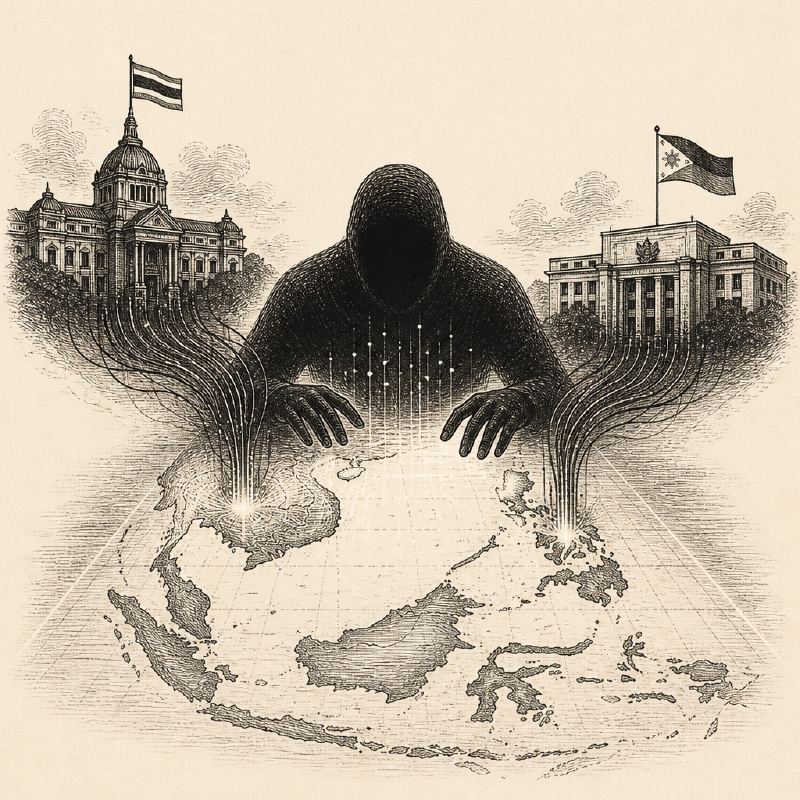
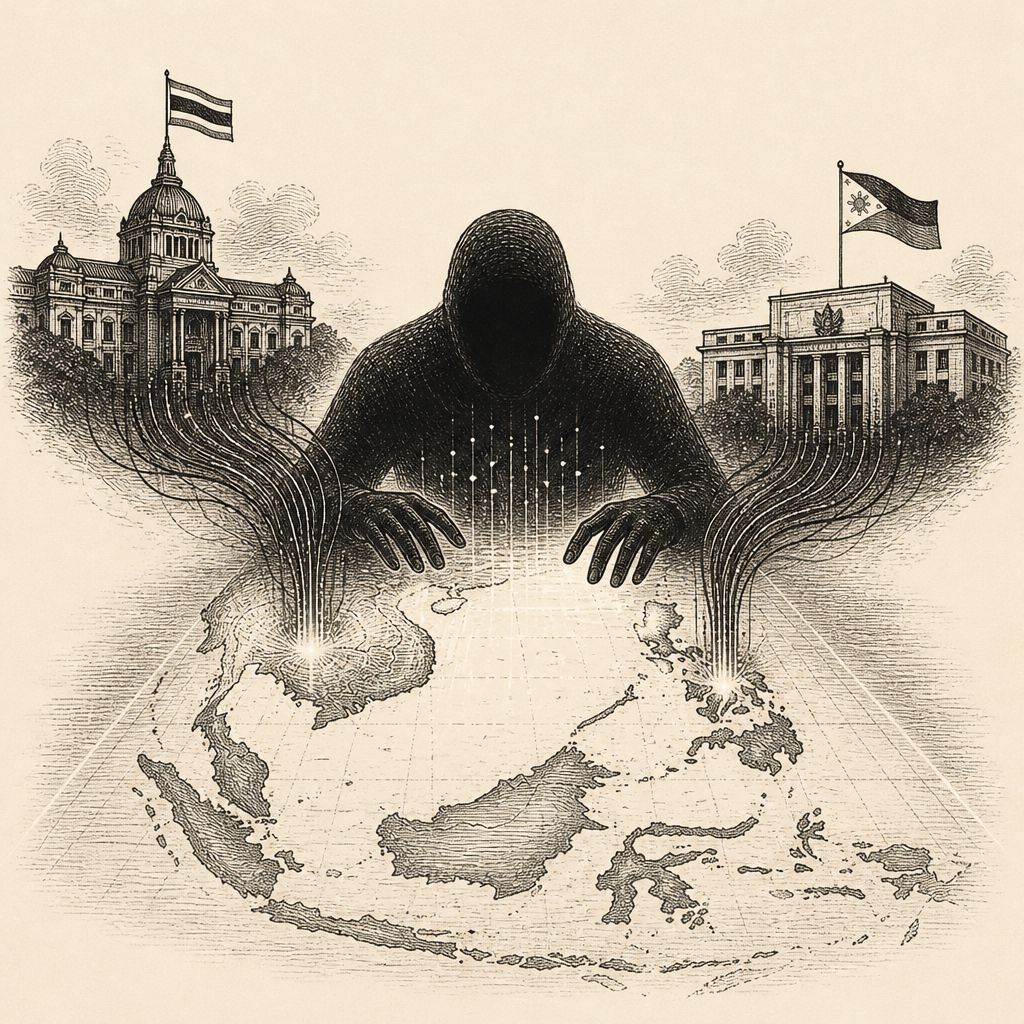
A sophisticated cyber-espionage campaign, identified as RedOps, has targeted and breached military, government, and legislative organizations in Thailand and the Philippines between August and September 2026. The operation, attributed with moderate confidence to Vietnamese state-sponsored actors known as WeaveLotus, successfully exfiltrated gigabytes of sensitive documents, including legislative records, military logistics, and national strategy documents. Researchers also observed reconnaissance activities against over 30 Indonesian government organizations, though no breaches were confirmed in that country.
The attackers' primary interest appears to be South China Sea defense ties and military agreements, as evidenced by their collection of non-public government materials after searching public sources for information on regional military cooperation. The stolen files provided insights into national strategy, budget planning, and military operations. SOCRadar analysts identified custom tools used in the campaign, including a component for commanding a compromised JasperReports server and receiving results, indicating a degree of custom development.
In Thailand, the attackers leveraged CVE-2024-36401, a critical vulnerability in GeoServer, an open-source platform for sharing mapping data, to gain initial access. This same flaw was previously documented in a breach of a U.S. federal agency. The compromised GeoServer instance was then used to access a Directus content management system, allowing the attackers to download approximately 31,418 files totaling 575 MB, encompassing documents on logistics, disaster response, and military operations.
A significant breach occurred at a Thai legislative organization where attackers exploited default credentials on an internet-facing JasperReports server. This access led to a third-party document management system, from which researchers verified the exfiltration of about 19 GB of data. The stolen information included meeting agendas, expenditure records, appointments, and asset disclosure outcomes. Furthermore, the attackers captured administrator credentials for a separate Thai government organization, using them to access a Keycloak identity management platform and exfiltrate a database containing over 40,000 user records.
In the Philippines, the campaign exploited different vulnerabilities. One organization's vulnerable osTicket deployment exposed staff usernames, email addresses, and password hashes. At a second Philippine entity, a Laravel application running in debug mode inadvertently revealed server paths and snippets of source code, aiding the attackers' reconnaissance and potential exploitation.
The RedOps campaign's tactics differ from some other known state-sponsored groups. Unlike supply chain attacks involving tampered software updates, RedOps relied on exploiting exposed applications and weak system configurations. While SOCRadar assessed a low-confidence link to OceanLotus (APT32), the absence of known APT32 malware in this campaign suggests a distinct operational focus or evolution.
Security teams are advised to prioritize patching exposed GeoServer and osTicket instances, changing default JasperReports credentials, disabling debug modes in production Laravel applications, and auditing sensitive file APIs for anonymous access. Monitoring for unusual outbound SSH sessions over port 443 and unexpectedly large file transfers are also critical detection measures. The Thai legislative breach underscores the importance of extending security reviews to shared reporting systems and identity trusts, as compromised supporting services can lead to broader data and credential exposure.