
Red Hat OpenShift Vulnerability Allows PGP Signature Bypass for Malicious Image Injection
A critical flaw in Red Hat OpenShift's oc-mirror tool (CVE-2026-75939) enables attackers to bypass PGP signature checks, potentially injecting malicious release images into disconnected environments.
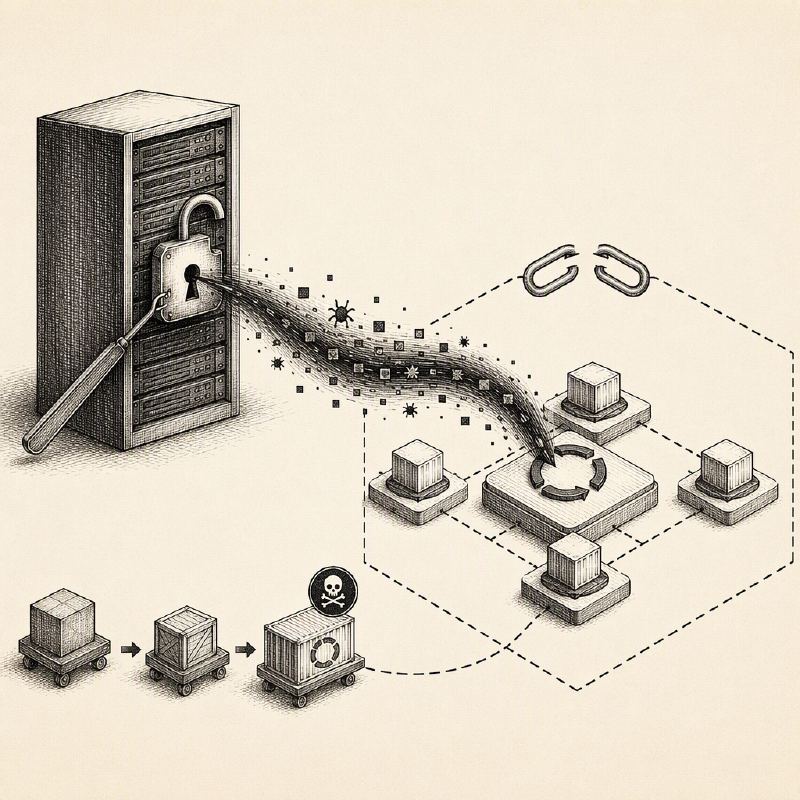
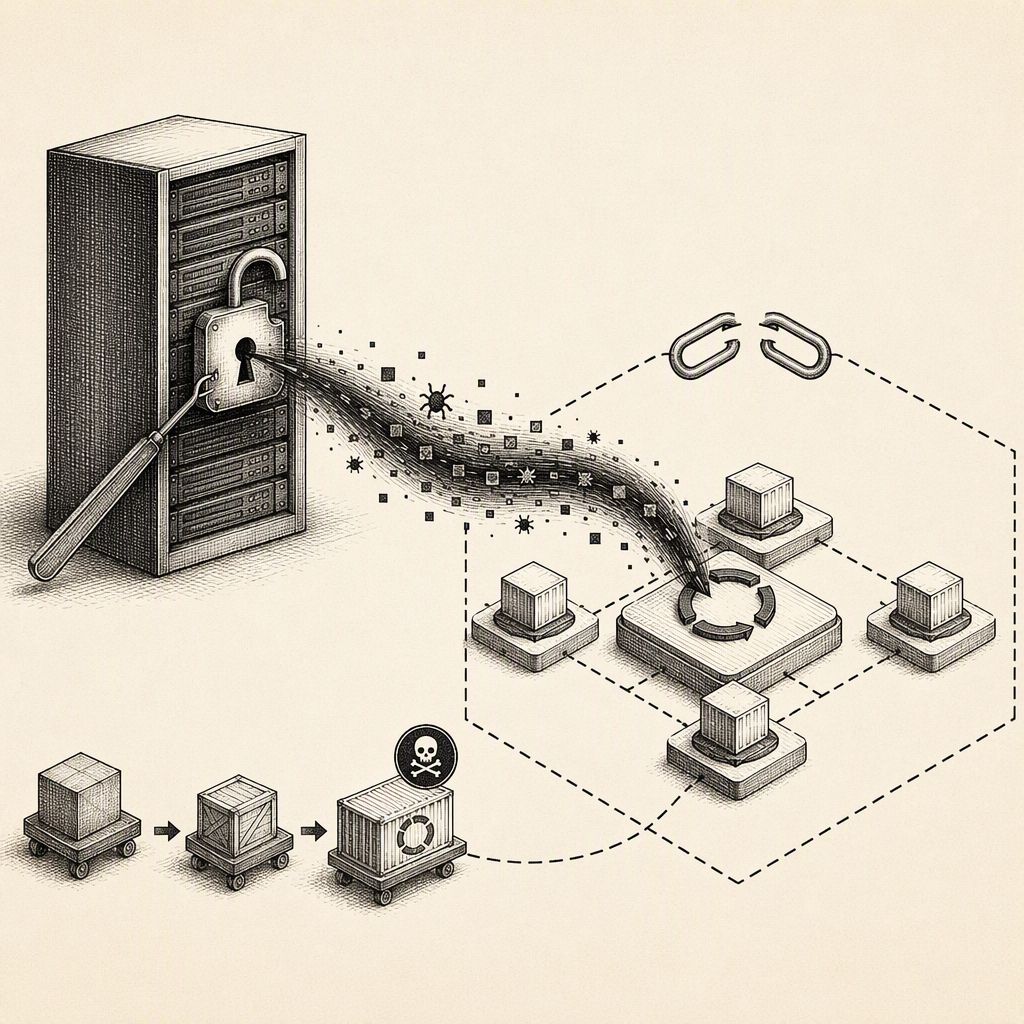
Red Hat has disclosed an Important security vulnerability affecting its OpenShift Container Platform, specifically within the oc-mirror tool. Tracked as CVE-2026-75939, this flaw carries a CVSS v3.1 score of 7.4 and allows attackers to bypass PGP signature verification. This bypass enables the injection of malicious release images into disconnected OpenShift environments, posing a significant supply-chain risk.
The oc-mirror component is crucial for organizations that need to copy OpenShift release images, operator catalogs, and related content into private registries, particularly for air-gapped or disconnected deployments. The vulnerability arises because oc-mirror incorrectly validates PGP-signed release image signatures. It checks for signature errors before the entire signed message body has been processed, creating a window where a specially crafted PGP message can be accepted as legitimate, even if its signature is forged.
To exploit this vulnerability, an attacker would need the ability to intercept or alter network traffic between the oc-mirror instance and the signature endpoint. By providing a forged PGP message that includes a valid Red Hat release key ID, an attacker could trick the tool into mirroring a hostile release payload into a disconnected registry. This is a serious concern because mirrored content is typically trusted as approved internal software.
Once a malicious release image is present in the private registry, it could be selected for deployment by OpenShift administrators or automated installation pipelines. This could lead to severe consequences, including unauthorized code execution, application tampering, credential theft, or data access within the affected clusters. Red Hat has rated the issue as Important, noting a network attack vector, no required privileges, and no user interaction needed for exploitation.
However, the exploitation process has high attack complexity due to the need for the attacker to successfully manipulate signature-related network traffic. Red Hat's CVSS vector indicates high confidentiality and integrity impact, with no impact on availability. The vulnerability specifically affects the openshift4/oc-mirror-plugin-rhel9 component within Red Hat OpenShift Container Platform 4. The RHEL 8 version is not affected as the component is absent.
At the time of disclosure, Red Hat stated that no practical mitigation met its standard deployment and stability criteria. Consequently, organizations utilizing oc-mirror should consider their release-mirroring workflows as high risk until security errata or updated packages are released. Recommended actions include restricting network access to signature endpoints, carefully enforcing TLS inspection, monitoring mirrored registry content for unusual changes, and validating release digests through independent trusted channels before production deployment.
Administrators are also advised to review access controls for disconnected registries, audit recent mirrored releases, and stay vigilant for remediation updates from Red Hat's security advisories. The vulnerability underscores the critical importance of robust signature verification processes in software supply chains, especially for air-gapped environments where trust in mirrored content is paramount.