
Raven AI Tool Enables Law Enforcement to Identify Homes from Interior Photos
Graylark's Raven AI technology can pinpoint specific indoor locations from user-submitted photos by analyzing visual cues, raising significant privacy concerns.
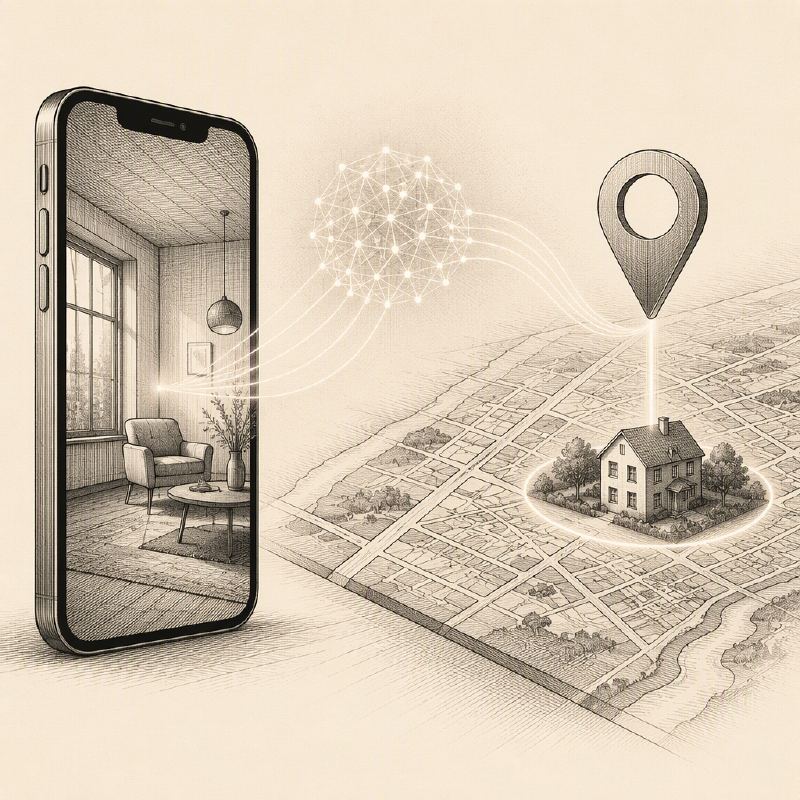
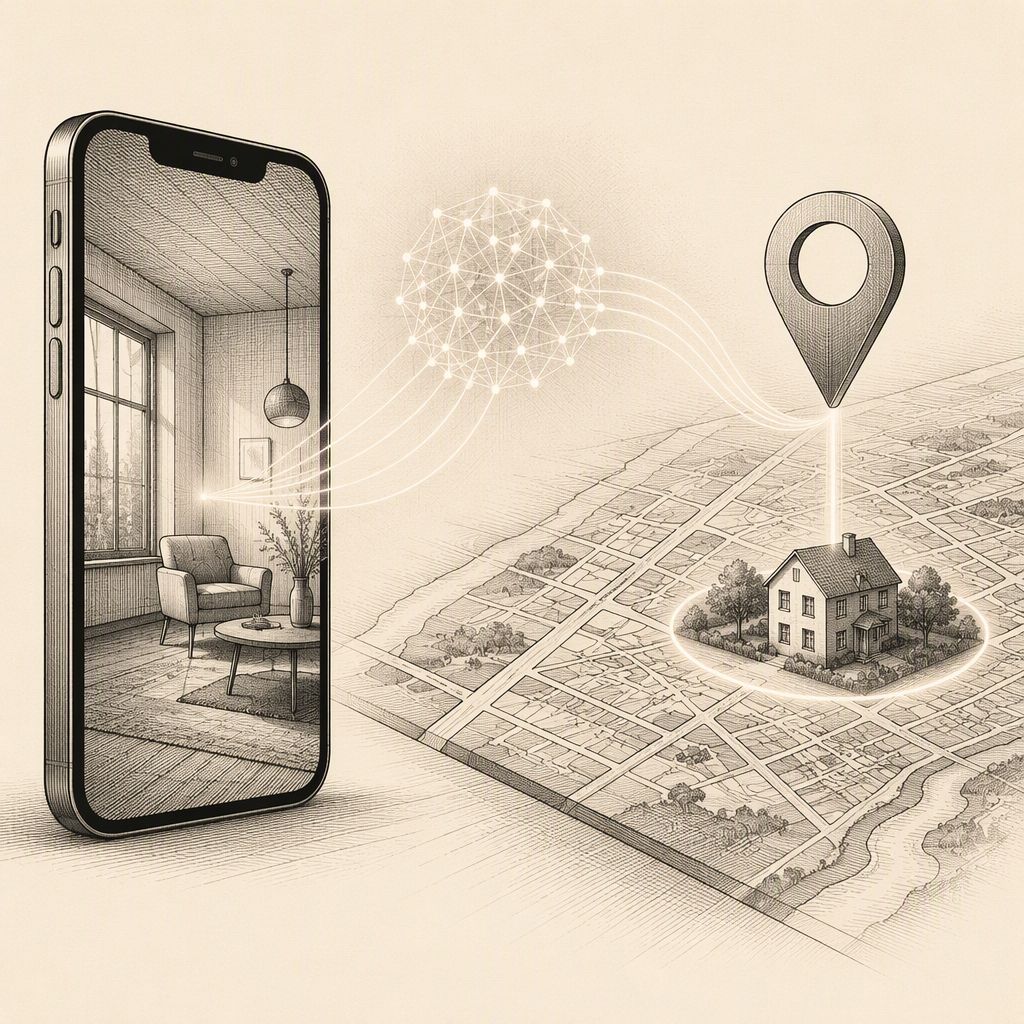
A new artificial intelligence tool named Raven, developed by Graylark, is empowering law enforcement agencies to identify specific indoor locations from ordinary photographs, even without any embedded metadata. This technology analyzes visual elements within an image, such as room structure, surface colors, and distinctive features like tile patterns, to match them against extensive databases of property listings and rental advertisements.
The capabilities of Raven extend beyond simple reverse image searching. Unlike tools that might find duplicate images online, Raven can discern different views of the same property by recognizing unique architectural details and interior design choices. This allows investigators to potentially locate individuals or identify properties based on seemingly innocuous photos shared online or provided as evidence.
Law enforcement agencies are already adopting this technology. Reports indicate that the Miami-Dade Sheriff's Office and the Los Angeles Police Department have purchased access to Raven. Graylark's founder, Daniel Heinen, has also highlighted features like HotelID, which can allegedly identify a specific hotel from a single photo, and capabilities to determine a car's make, model, and year from interior images.
Graylark's journey began with experiments in using AI for the geography game GeoGuessr, evolving into more sophisticated location identification tools. The company's previous tool, GeoSpy, focused on identifying outdoor locations based on environmental clues. Raven represents a significant expansion, moving into the realm of private indoor spaces and short-term rental properties, with a feature that searches millions of rental listings worldwide.
Concerns about privacy and potential misuse are prominent. While Graylark claims Raven is exclusively available to enterprises, government, and law enforcement, the potential for stalking and surveillance is a significant worry. The company asserts that its tools do not grant access to private accounts or messages, but the ability to identify a home from a photo shared on social media or elsewhere presents a new frontier in digital privacy challenges.
Graylark's founder has suggested potential applications in combating human trafficking, citing studies on exploitation occurring in hotels. However, the broader implications for personal privacy are substantial. Users are advised to be cautious about sharing interior or exterior photos of their homes online, checking for distinctive features, and reviewing privacy settings on photo-sharing platforms. Removing location metadata is a partial safeguard, but visual analysis bypasses this layer of protection.
The company's methods for acquiring data for its vast property databases have also drawn scrutiny. While Graylark claims to use millions of rental listings, major platforms like Airbnb have stated they have no affiliation with Graylark, and services like Zillow prohibit scraping in their terms of service. The exact origins of Graylark's data remain unclear, adding another layer of concern to the deployment of this powerful identification technology.