
Rapid7 Reviews 2026 Cybersecurity Predictions, Highlighting Evolving Geopolitical and Insider Threats
Rapid7 revisits its 2026 cybersecurity predictions, confirming the significant impact of geopolitical tensions on cyber threats and the expanding nature of insider risks, now including AI agents.

Rapid7 is taking stock of its 2026 cybersecurity predictions, evaluating how accurately they foresaw the evolving threat landscape. The firm's experts are preparing to share their outlook for 2027 by first examining the accuracy of their previous year's calls concerning geopolitical influences on cyber threats, the dominance of insider threats in breach root causes, and the growing importance of context in cybersecurity performance.
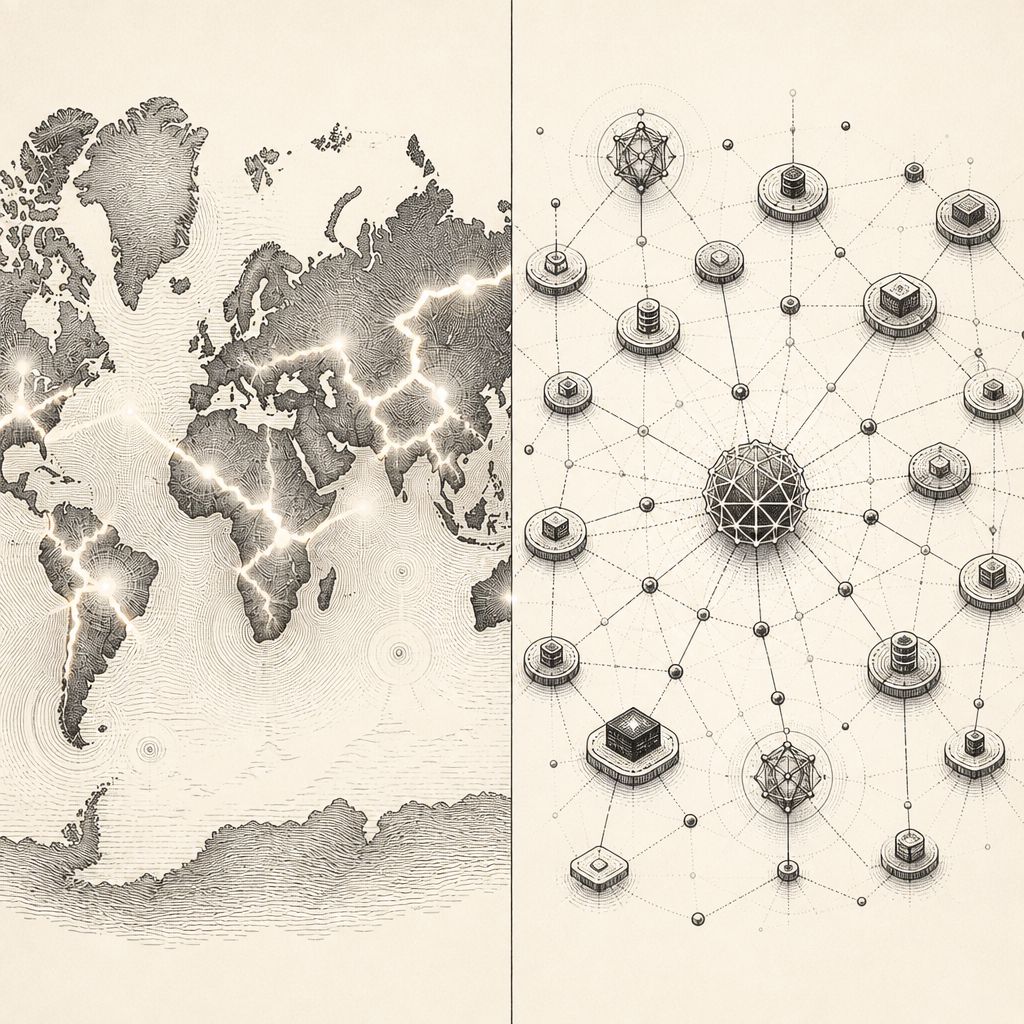
The prediction that geopolitical fault lines would significantly reshape the cyber battlefield proved largely accurate, earning an A- from Rapid7. Throughout 2026, regional conflicts increasingly provided fertile ground for espionage, disruption, and public pressure campaigns orchestrated by state-directed actors and hacktivists. Cyber operations offered adversaries a means to pursue strategic objectives below the threshold of open warfare, inadvertently exposing commercial organizations alongside government and critical infrastructure targets. Rapid7 Intelligence observed a notable surge in retaliatory cyber activity following military escalations in late February, with state actors focusing on espionage and data theft, while hacktivist groups amplified these efforts through public releases. This dynamic, where stolen data might be passed from state actors to hacktivists, complicates an organization's risk assessment, as seemingly routine commercial relationships can become entangled in wider geopolitical conflicts.
Understanding these interconnected dependencies is crucial for effective incident response. Protecting services or containing breaches may necessitate complex agreements across security, operations, legal, and executive leadership, highlighting the need for robust preparedness exercises that uncover these difficult decisions early. The interconnectedness of global business means that a company's exposure is no longer solely determined by its location or industry, but also by its customers, suppliers, infrastructure, and perceived political associations.
Rapid7's prediction that insider threats would become a dominant factor in breach root causes also held considerable weight, drawing attention to a spectrum of risks from unintentional employee negligence to deliberate credential selling. The past year saw a reinforcement of concerns regarding attackers actively recruiting individuals within organizations, particularly through ransomware campaigns offering financial incentives for access. Furthermore, the increasing integration of AI agents into business operations has broadened the definition of insider risk. As these agents gain access to business systems and execute tasks on behalf of organizations, questions surrounding permissions, oversight, and the potential for unintended consequences extend beyond human users.
The "wider access economy" continued to be a significant vector, though the presence of credentials for sale does not automatically imply willing insider cooperation. External compromises and exposed systems remained primary entry points for attackers, with AI-assisted vulnerability discovery adding further pressure. Rapid7 acknowledges that while their prediction captured a critical concern, distinguishing between deliberate insider collusion and other methods of unauthorized access remains a key challenge for security teams.
The value of context in cybersecurity performance was also recognized, though Rapid7 noted they may have overstated its novelty. The ability to connect new vulnerabilities with existing exposed systems, ongoing attacker activity, and potential business consequences proved invaluable, especially during a year marked by AI-driven vulnerability discovery, which compressed decision-making timelines. The ASOS incident, where an unauthorized notification reached customers via the company's app before the attack vector was fully understood, exemplifies this challenge. Investigators needed to connect activity across various accounts, integrations, and third-party services to understand the breach's scope.
Context is equally vital for remediation efforts. A security advisory alone is insufficient to justify interrupting critical services; teams require detailed information on where affected technology is deployed, how attackers might reach it, and the feasibility of various mitigations. Integrating asset information, threat intelligence, and operational knowledge is paramount for making confident, informed decisions in high-pressure situations.
Looking ahead to 2027, Rapid7 emphasizes that understanding relationships—between organizations, between identities and access, and between technical vulnerabilities and business impacts—will remain central to security strategies. The ongoing integration of AI into both technology use and threat development promises to further complicate this landscape, making continuous adaptation and deep contextual awareness essential for effective cybersecurity.