
Ransomware Gang Wipes Backups After Exploiting Plaintext Password
A Chinese auto parts manufacturer suffered a devastating ransomware attack when threat actors exploited a plaintext password found in a maintenance script to delete all backup restore points before encrypting production servers.
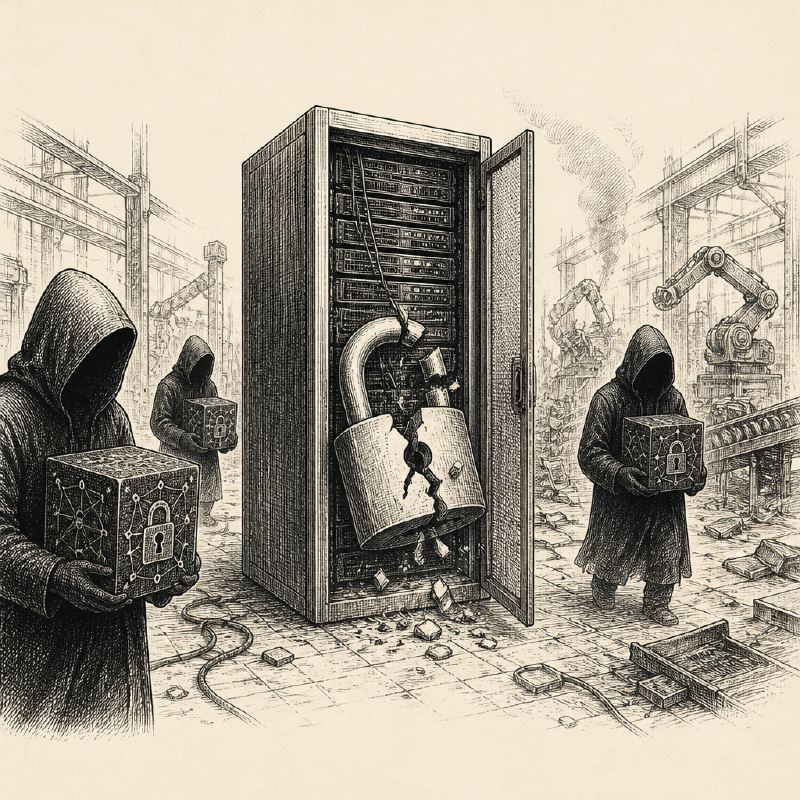
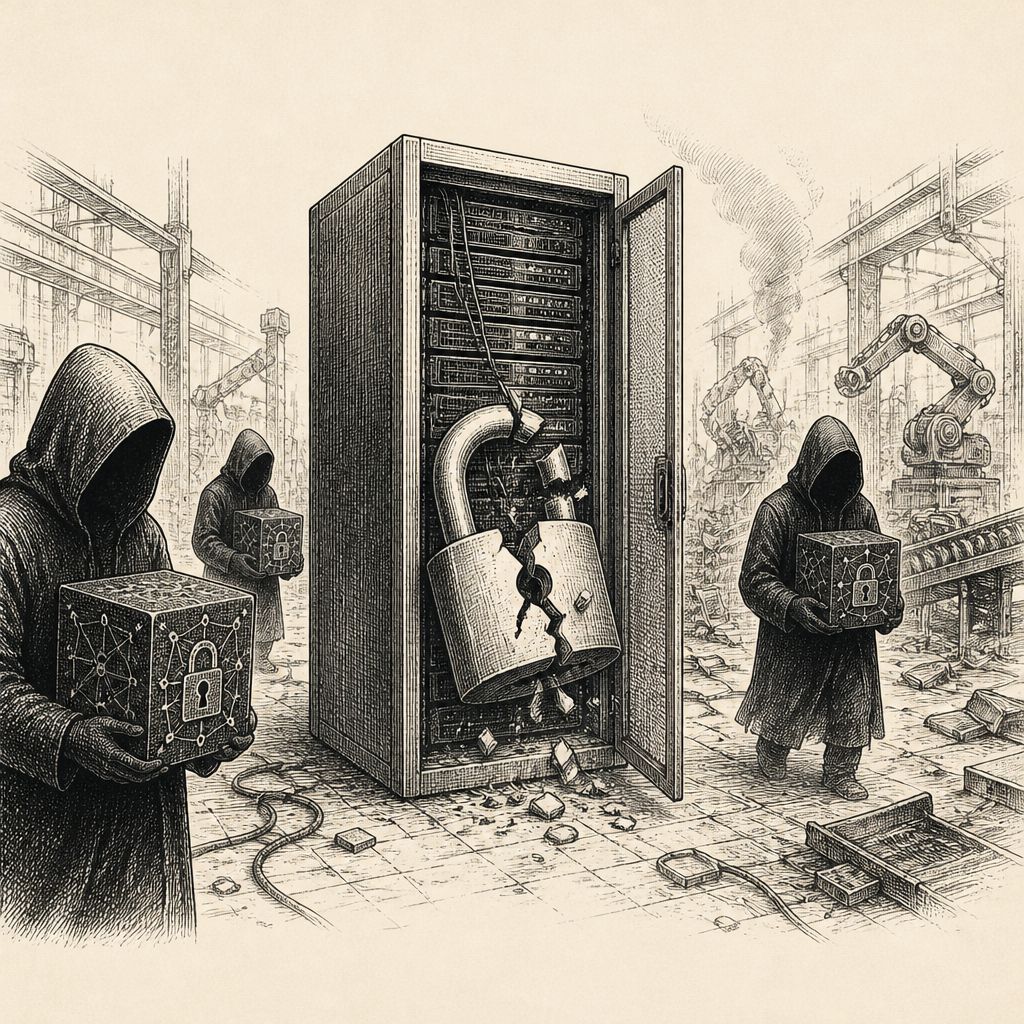
A Chinese vehicle parts manufacturer recently fell victim to a sophisticated ransomware attack that crippled its operations, not just through data encryption but by systematically destroying its recovery capabilities. The attackers successfully compromised the company's backup server, a critical component meant to safeguard against such disasters. This incident highlights a severe lapse in security hygiene, where the very system designed for resilience became a target and was neutralized.
The attackers gained initial access and then discovered a critical vulnerability: a plaintext password for the backup service account was embedded within a maintenance script accessible on a file share. Compounding this error, the same password was reused for a domain administrator account. This dual compromise allowed the threat actors to escalate their privileges significantly within the network.
With administrative control over the backup server, the attackers' first action was to delete every available restore point. This move effectively erased the company's ability to recover its systems and data using its own backup infrastructure. The meticulous nature of this step underscores the attackers' intent to maximize damage and leverage.
Following the obliteration of backups, the threat actors proceeded to encrypt the company's production servers. This ransomware deployment rendered essential systems for manufacturing execution (MES) and enterprise resource planning (SAP) inoperable. The loss of these systems meant the company could no longer schedule production, track inventory, or ship finished parts, bringing its operations to a standstill.
According to Da Li, global alliance manager at Info2Soft, who was brought in to assist after the incident, the backup system was joined to the same Windows domain as the production network. This configuration violated a fundamental principle of disaster recovery: keeping backups isolated from the primary network to prevent a single point of compromise from affecting both. The green dashboard indicating successful daily backups offered a false sense of security for three years.
While the article does not specify whether the manufacturer paid the ransom, the plant had already begun the process of resolving the ransomware situation by the time Li was consulted. The immediate aftermath involved implementing a more robust security posture for the backup system.
Li's recommendations, which were implemented, focused on isolating the backup system from the production domain, employing unique credentials for access, and enforcing multi-factor authentication (MFA). Additionally, the company committed to maintaining at least one offline backup and conducting quarterly test restores to ensure the integrity and usability of its recovery mechanisms.
This incident serves as a stark reminder that even organizations with diligent backup practices can be vulnerable if those backups are not adequately secured and isolated. The reuse of credentials and the storage of sensitive information in plaintext scripts represent common, yet potentially catastrophic, security oversights that attackers actively seek to exploit.