
Ransomware Attack Disrupts Cancer Treatments and Surgeries at Guadeloupe Hospital
A suspected ransomware attack has crippled the University Hospital of Guadeloupe, forcing the postponement of surgeries, suspension of cancer treatments, and a return to manual record-keeping.
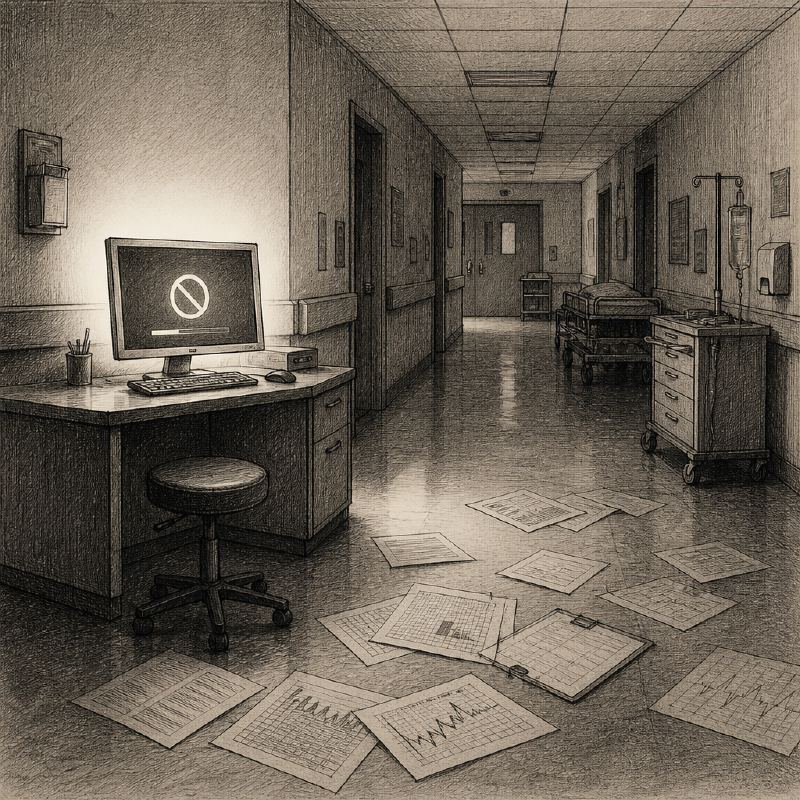

France's national cybersecurity agency, ANSSI, is investigating a suspected ransomware attack that severely impacted the computer systems of the University Hospital of Guadeloupe. The incident has led to the postponement of surgeries, the suspension of critical cancer treatments, and a forced reliance on manual record-keeping methods, significantly disrupting patient care on the French Caribbean island.
ANSSI officials indicated that the attack appears to involve ransomware and that investigators are exploring the possibility of initial compromise through an IT supplier that may have been breached several months prior. French prosecutors have initiated a criminal investigation into the incident, though the perpetrators remain unidentified. Hospital management has stated that no ransom demand has been received and they have ruled out paying any ransom.
The University Hospital of Guadeloupe, the largest medical facility on the island, announced on its website that some surgical procedures, medical consultations, and imaging tests would be canceled through at least Friday. Radiation therapy has been temporarily halted due to safety concerns, and chemotherapy sessions scheduled for Monday were also canceled. The hospital is actively reviewing upcoming appointments to prioritize patients based on their medical urgency.
Despite the widespread disruption, emergency services, dialysis treatments, and urgent cardiac procedures remain operational. The hospital has urged residents to utilize emergency departments only for immediate medical needs. The cyberattack began to manifest on Saturday evening with outages in computer and telephone systems, initially mistaken for a technical malfunction. The encryption of the hospital's databases confirmed it as a sophisticated cyberattack.
Healthcare workers are currently unable to access patients' electronic medical records, leading to manual processing of prescriptions and collection of laboratory results, which has considerably slowed down patient care. Patients have been advised to bring paper copies of their medical records, prescriptions, and prior test results to their appointments. The hospital has not yet confirmed whether any personal or medical information was exfiltrated, but it has pledged to notify affected individuals and cautioned patients about potential phishing attempts.
The hospital plans a gradual restoration of affected systems following thorough malware checks. The recovery process is expected to take several days, with full resumption of normal operations uncertain. This attack occurs as the hospital was in the process of relocating to a new, modern facility, which reportedly has enhanced security measures.
This incident follows closely on the heels of other cyberattacks affecting French healthcare organizations. Bordeaux University Hospital reported a compromise after detecting suspicious mass emails sent from two of its employee accounts, with a threat actor named Scarlettgroup claiming responsibility. Separately, France's National Cancer Institute confirmed a cyberattack that disrupted its websites and compromised personal information, though the extent of the breach remains unclear.
In response to the escalating threats, French Health Minister Stephanie Rist emphasized the government's commitment to improving cybersecurity across the nation's healthcare sector, with plans for dedicated long-term funding through the proposed 2027 social security budget. "The cybersecurity of our hospitals is also the safety of our patients," Rist stated, highlighting the critical link between digital security and patient well-being.