
Ransomware Attack Cripples Canadian Hospital's Building Systems
A ransomware attack has severely disrupted a Canadian hospital's facility management systems, impacting critical infrastructure such as doors and HVAC, highlighting growing OT risks in healthcare.
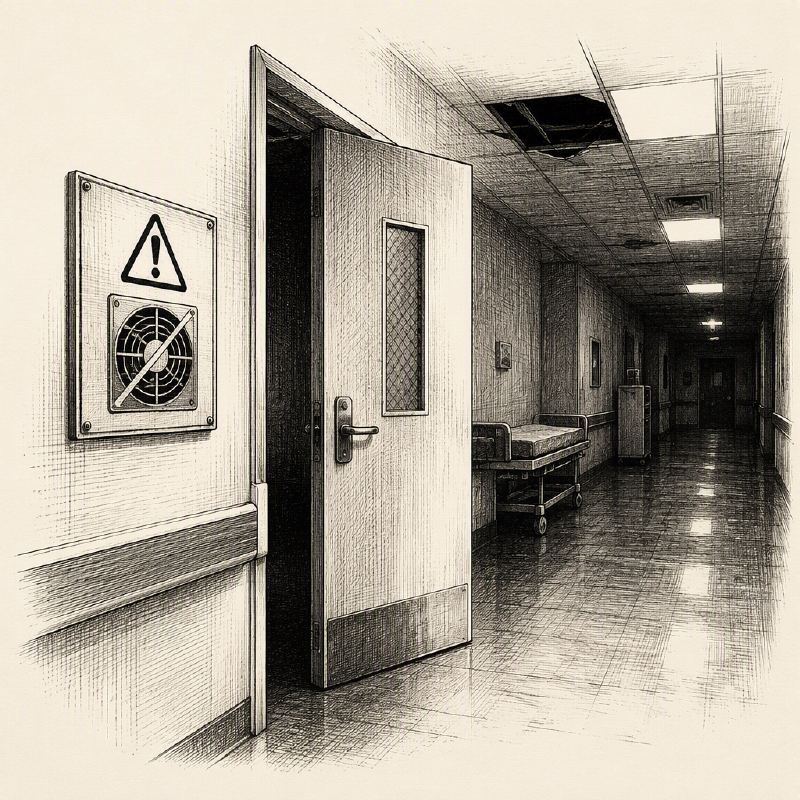
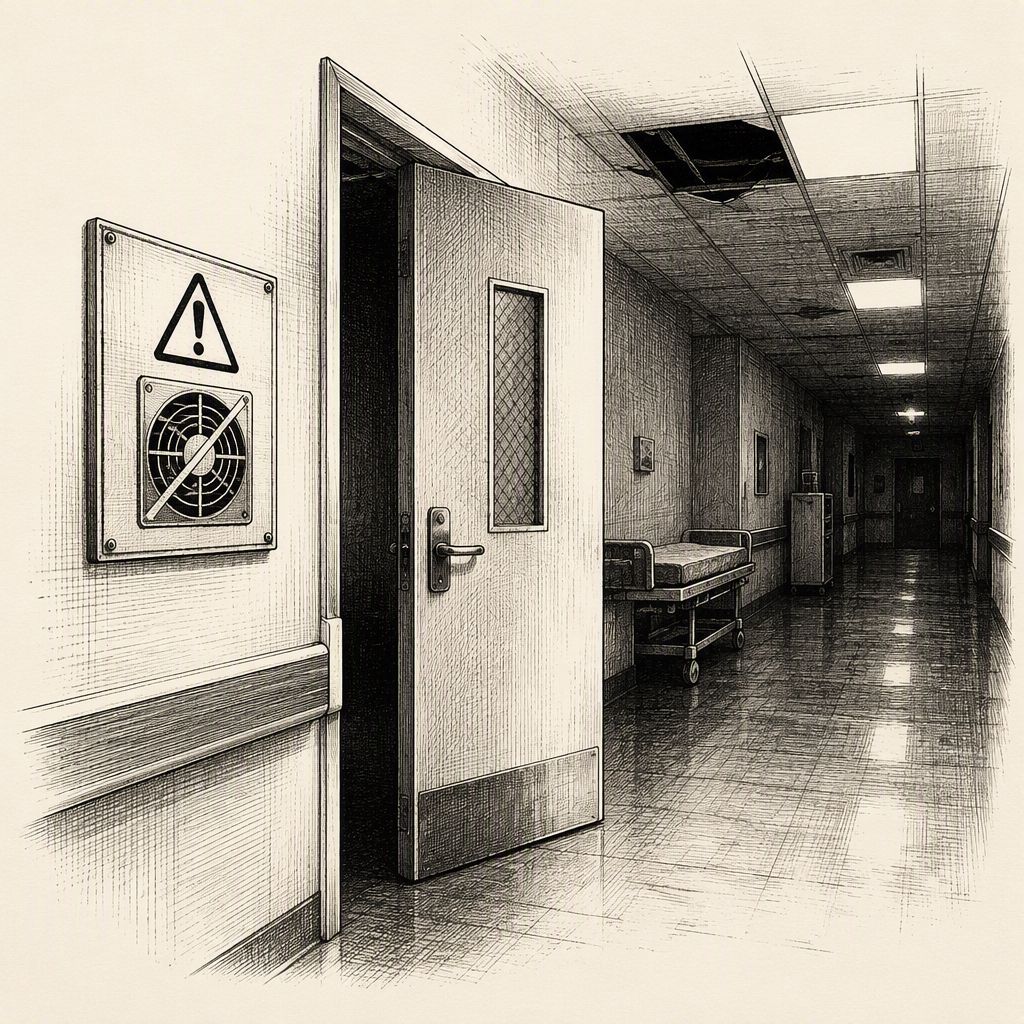
A Canadian hospital is grappling with a significant ransomware attack that has compromised its facility management systems, leading to the disruption of essential building operations. The incident, which reportedly affected the control of doors and the heating, ventilation, and air conditioning (HVAC) equipment, underscores the escalating cybersecurity threats targeting operational technology (OT) within the healthcare sector.
While specific details regarding the ransomware strain and the initial point of compromise remain scarce, the attack's impact on physical infrastructure is a cause for concern. By targeting systems that manage the hospital's environment and access, threat actors could potentially cause widespread operational chaos, affecting patient care and safety. This focus on OT systems represents a concerning evolution in ransomware tactics, moving beyond data exfiltration and encryption to direct physical disruption.
Experts in cybersecurity have pointed to this incident as a stark reminder of the unique vulnerabilities present in healthcare OT environments. These systems, often designed with longevity and reliability over security in mind, can be difficult to patch and update, making them attractive targets for attackers. The convergence of IT and OT networks, while offering efficiency benefits, also expands the attack surface for cyber threats.
The implications of such an attack extend beyond immediate operational disruption. Compromised HVAC systems could lead to unsafe environmental conditions for patients, while non-functional doors could impede emergency services or patient movement. The potential for extended downtime also raises concerns about data integrity and the availability of critical medical services.
This event aligns with a broader trend of increasing ransomware attacks against healthcare organizations globally. These institutions are often targeted due to the critical nature of their services, the potential for high ransom payments, and the sensitive data they hold. The attack on facility management systems, however, adds a new dimension to these threats, demonstrating a capability to directly impact the physical environment of care.
While the hospital works to restore its systems and assess the full extent of the breach, the incident serves as a critical case study for other healthcare providers. It emphasizes the urgent need for robust cybersecurity strategies that specifically address OT environments, including regular vulnerability assessments, network segmentation, and comprehensive incident response plans tailored to the unique challenges of healthcare infrastructure.
The attack also highlights the importance of supply chain security, as vulnerabilities in third-party software or hardware used in facility management systems could have been the entry point. Organizations must ensure that all components of their operational infrastructure are secured and regularly monitored for threats.
As investigations continue, the focus will likely be on understanding how these critical building systems were compromised and what measures can be implemented to prevent similar incidents in the future. The incident is a clear signal that cybersecurity in healthcare must encompass not only patient data but also the physical infrastructure that supports patient care.