
Radware Launches MCP Server Protection Amidst Growing AI Agent Integration
Radware introduces MCP Server Protection to secure the increasing adoption of its Model Context Protocol as AI agents integrate more deeply with enterprise applications and workflows.

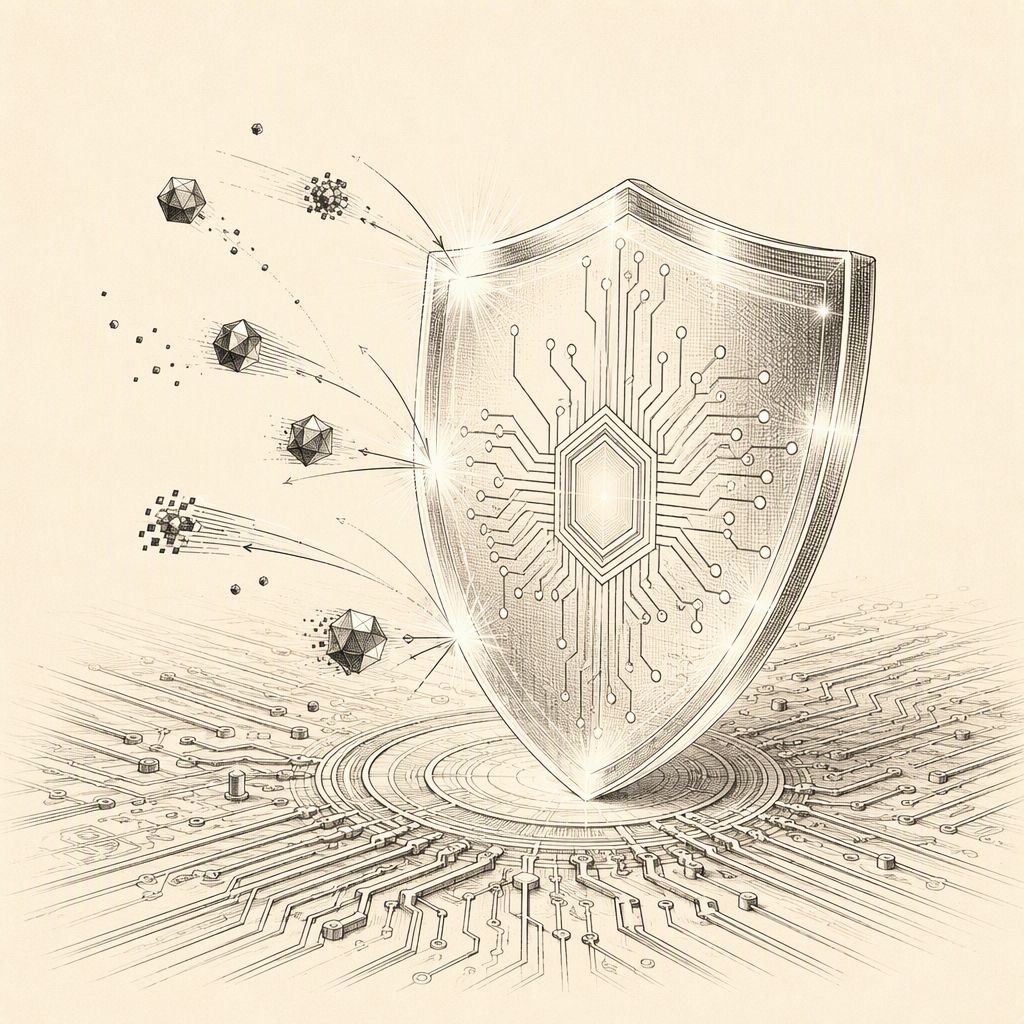
Radware has announced the release of Radware Model Context Protocol (MCP) Server Protection, a new solution designed to address the security challenges arising from the widespread adoption of MCP for AI agent integration with enterprise systems. As artificial intelligence agents gain more extensive access to business applications, data, and workflows, the underlying infrastructure supporting these connections becomes a critical, yet potentially vulnerable, attack surface.
The primary goal of MCP Server Protection is to provide organizations with enhanced visibility into their MCP infrastructure, bolster defenses against protocol-specific attacks targeting MCP servers, and establish robust governance mechanisms to manage scaling deployments. The solution aims to fill a security gap left by traditional web and DDoS protection tools, which may not be equipped to understand or defend against the unique threats posed by MCP.
MCP is rapidly emerging as a de facto standard for enabling AI agents to interact with enterprise applications, discover and utilize services, and automate business processes. Recent industry surveys indicate a significant increase in MCP adoption, with nearly half of surveyed software companies reporting its use in production environments. This rapid growth underscores the need for specialized security measures.
Radware MCP Server Protection is integrated into Radware's broader cloud security platform, complementing existing offerings like Radware Agentic AI Protection and LLM Firewall. This integrated approach aims to provide comprehensive protection for AI infrastructure, covering agents, models, and the crucial MCP servers that bridge them to enterprise systems. The solution is designed to be flexible, supporting MCP servers deployed across various environments, including public clouds, private clouds, Kubernetes clusters, and traditional hardware-based data centers.
David Aviv, chief technology officer at Radware, emphasized the evolving threat landscape: "MCP is quickly becoming a critical integration layer between AI agents and the enterprise, but every new connection also expands the attack surface. Organizations need to know which MCP servers they have, what those servers expose, which agents are accessing them and whether those interactions are safe." Radware's new offering directly addresses these concerns by extending their AI security focus to the MCP server layer.
Key capabilities of Radware MCP Server Protection include comprehensive visibility into the MCP attack surface, detailing deployed servers, exposed tools, agent activity, usage patterns, and communication flows. It also offers MCP-aware attack protection with specialized controls against protocol abuse, authentication attacks, enumeration, unauthorized interactions, AI-driven tool flooding, and denial-of-service attacks.
Furthermore, the solution provides governance features to help organizations assess MCP exposure, identify security weaknesses, and enforce policies as deployments grow. Agent activity monitoring analyzes identities, behavioral anomalies, and resource consumption to detect potentially malicious or abusive actions. Radware MCP Server Protection is available as a cloud-based service or as a cloud-augmented service for on-premises platforms, supporting diverse deployment strategies.
This release highlights the growing cybersecurity challenges associated with the rapid integration of AI into business operations. As AI agents become more autonomous and interconnected, securing the protocols and infrastructure that enable these interactions is paramount to preventing new avenues of attack and ensuring the safe scaling of AI deployments.