
Queens Public Library Hit by Ransomware, Disrupting Services
Queens Public Library is grappling with a ransomware attack that has crippled its website, Wi-Fi, and essential patron services, with no immediate end in sight.
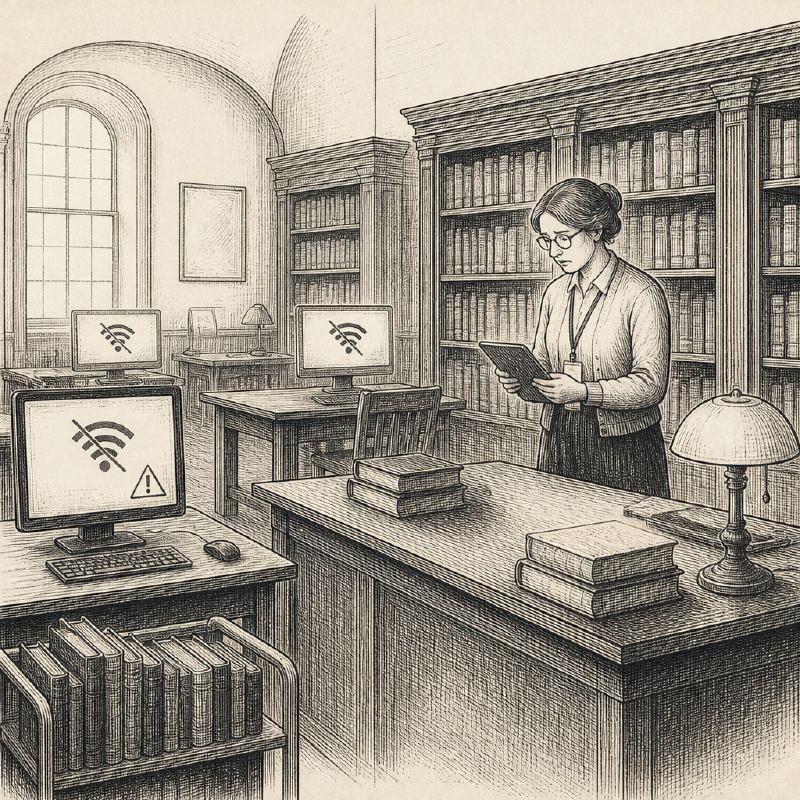
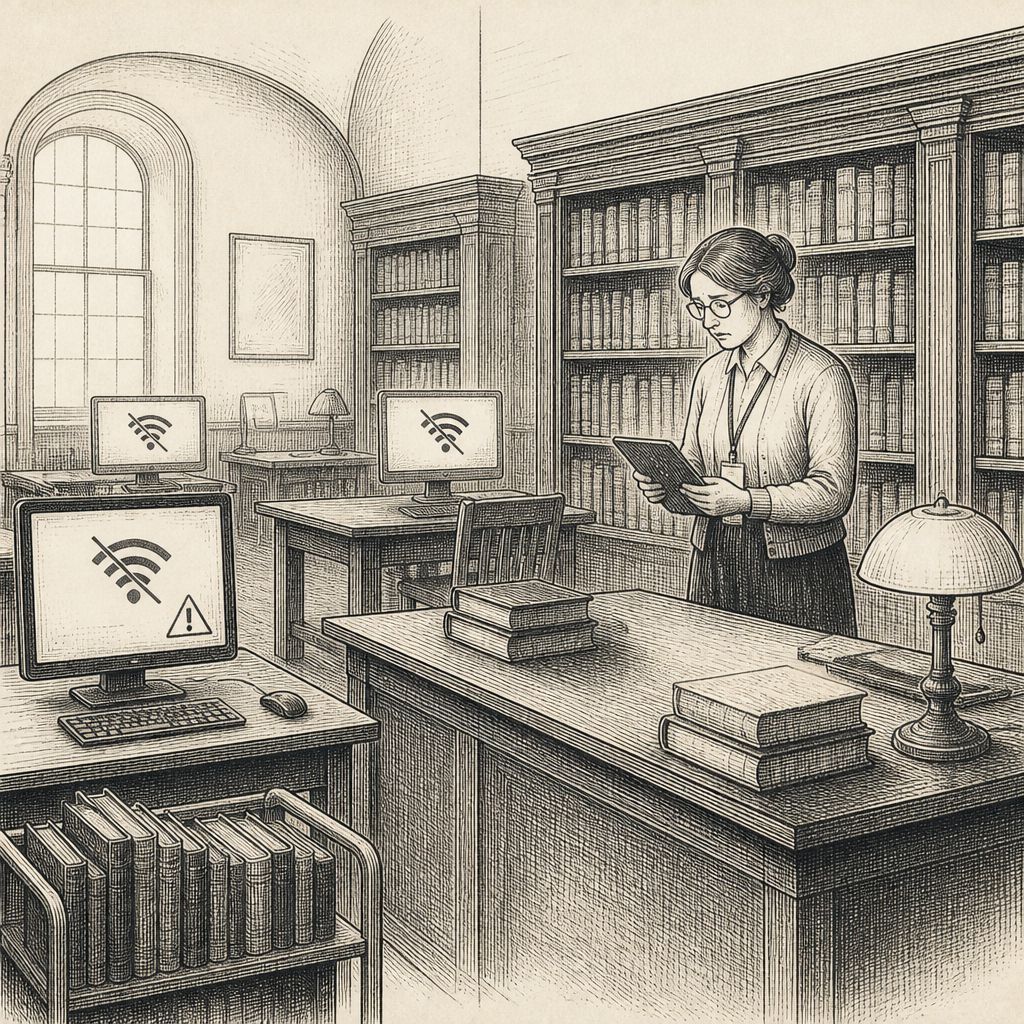
New York City's Queens Public Library (QPL) confirmed it is currently battling a significant ransomware attack that has severely impacted its operations. The incident, which came to light on Wednesday evening, has rendered the library's website, on-site computers, check-out and return systems, public Wi-Fi, and mobile application unusable.
Patrons are currently unable to renew materials, though the library has assured that no late fines will be incurred during the outage. This policy aligns with QPL's permanent removal of daily late fines on books and circulating materials, a move implemented in 2021 to encourage borrowing among lower-income users.
Despite the digital disruption, all three of QPL's branches, including the central library in Jamaica, Queens, remain open to the public. However, the library has cautioned that a full restoration of its network and systems will likely take considerable time. Visitors are advised to verify the availability of specific virtual and in-person programs by contacting their local branch directly via phone.
QPL's IT department is actively working to resolve the issue, and the library has committed to keeping the public informed through official statements and social media channels. They have also issued an apology for the inconvenience caused and expressed gratitude for patrons' patience during this challenging period.
As of the latest reports, no specific ransomware group has claimed responsibility for the attack. Attacks targeting publicly funded institutions like libraries, while disruptive, often yield less financial return for cybercriminals compared to attacks on private corporations. This can sometimes lead to a lack of immediate attribution.
The incident draws parallels to the 2023 ransomware attack on the British Library, where the Rhysida group demanded a ransom. The British Library notably refused to pay, incurring significant costs for recovery and IT rebuilding. While this response was lauded, many institutions lack the financial resources to undertake such an extensive and costly recovery process.
The ongoing recovery efforts at the British Library, detailed in its 2025/26 annual report, highlight the long-term implications of such attacks. Work to fully restore access to electronic resources and legal deposit content is expected to continue into late 2026, underscoring the protracted nature of post-ransomware remediation for large organizations.
Queens Public Library's situation serves as a stark reminder of the persistent threat ransomware poses to public services and cultural institutions, emphasizing the critical need for robust cybersecurity measures and resilient infrastructure.