
Quantum Random Number Generators Can Leak Data Despite Passing Tests, ETSI Warns
New guidance from ETSI highlights potential security weaknesses in Quantum Random Number Generators (QRNGs) that could allow attackers to glean sensitive information.
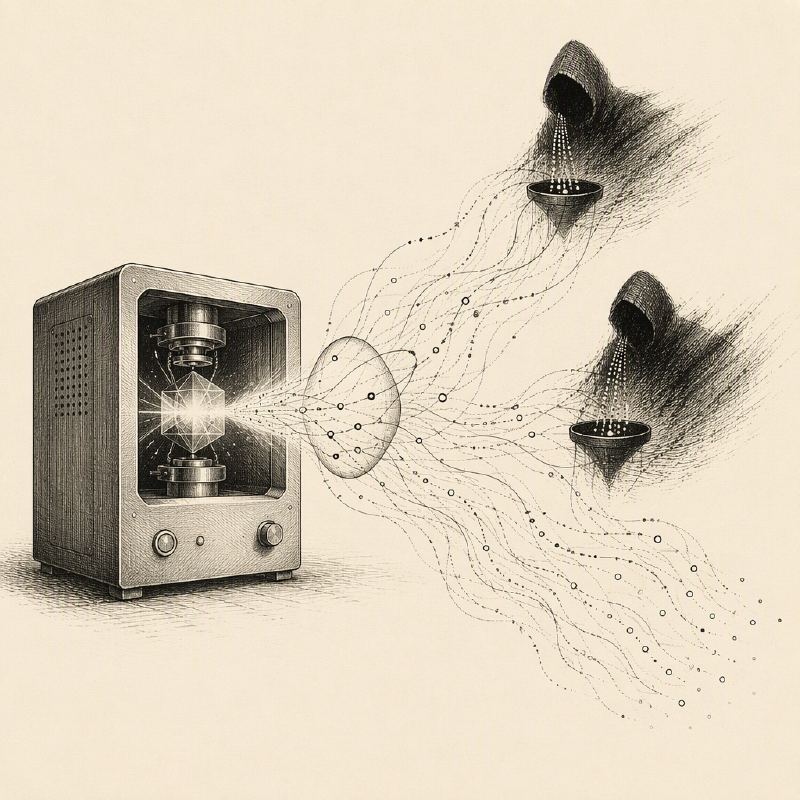
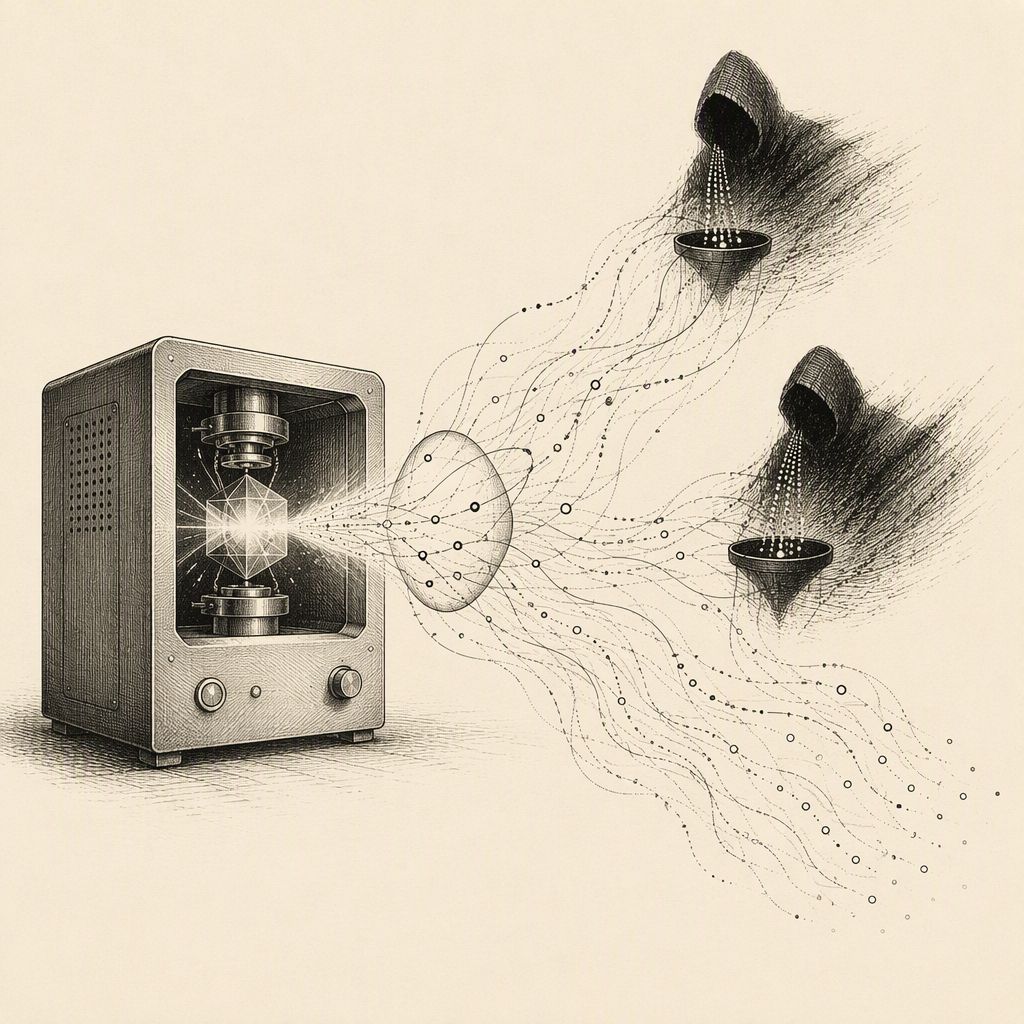
The European Telecommunications Standards Institute (ETSI) has released technical report TR 104 171, offering crucial guidance on the evaluation and implementation of Quantum Random Number Generators (QRNGs). While QRNGs are designed to produce truly random numbers by measuring quantum phenomena, the report cautions that vulnerabilities within the devices themselves or their supporting systems could compromise the unpredictability of their output.
These potential weaknesses mean that even random numbers generated by QRNGs, which might pass standard statistical randomness tests, could still inadvertently leak clues to sophisticated attackers. This is a significant concern, as unpredictable random numbers are fundamental to modern cryptography, underpinning the security of key generation, encryption, and secure communication protocols.
The report delves into specific areas where security can be compromised. It points out that the physical processes used to generate quantum randomness, while inherently unpredictable, can be susceptible to subtle biases or environmental influences. Furthermore, the classical components that process these quantum measurements into usable random bits, as well as the software and hardware systems that integrate QRNGs, can introduce vulnerabilities.
Attackers could potentially exploit these flaws to gain partial knowledge of the random number sequences, thereby weakening cryptographic keys derived from them. This could lead to the decryption of sensitive data, unauthorized access to systems, or the disruption of secure communications. The report emphasizes that a comprehensive security evaluation must go beyond standard randomness testing to include an analysis of the entire QRNG system and its operational environment.
ETSI's guidance aims to help manufacturers and users of QRNGs understand and mitigate these risks. It advocates for a thorough risk assessment process, considering potential side-channel attacks, implementation flaws, and the integrity of the entire random number generation pipeline. The goal is to ensure that the random numbers produced are not only statistically random but also cryptographically secure against determined adversaries.
As the reliance on quantum technologies for enhanced security grows, ensuring the robustness of foundational components like QRNGs becomes paramount. This ETSI report serves as a vital resource for the cybersecurity community, highlighting the need for vigilance and rigorous security practices in the development and deployment of these advanced random number generation technologies.