
Quantum Computing Threatens Modern Encryption, Urging Urgent US Preparation
The accelerating development of quantum computers poses a significant risk to current encryption standards, potentially compromising sensitive data globally and necessitating immediate action from Washington.
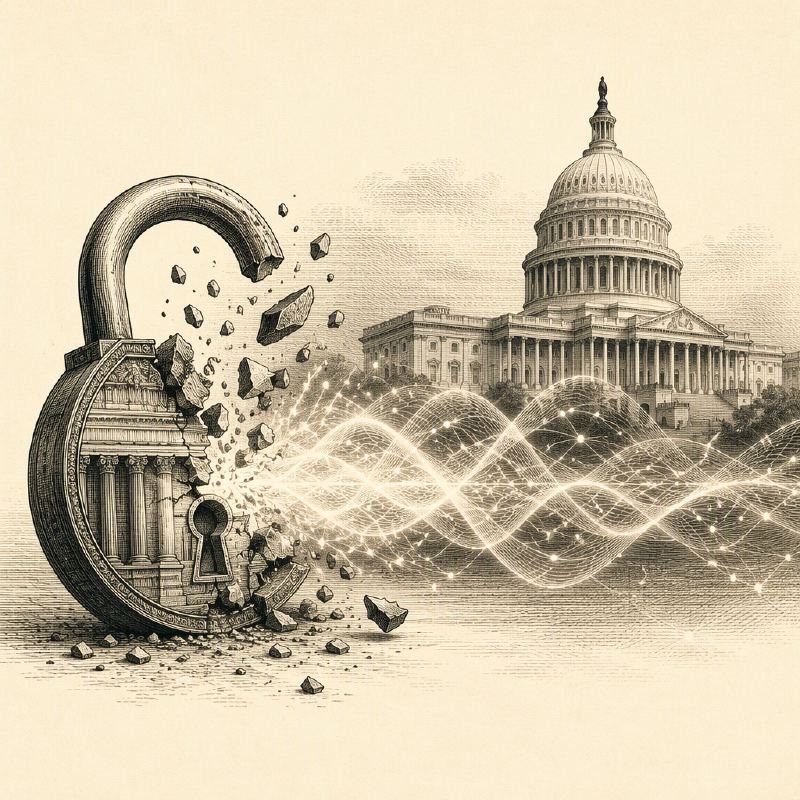
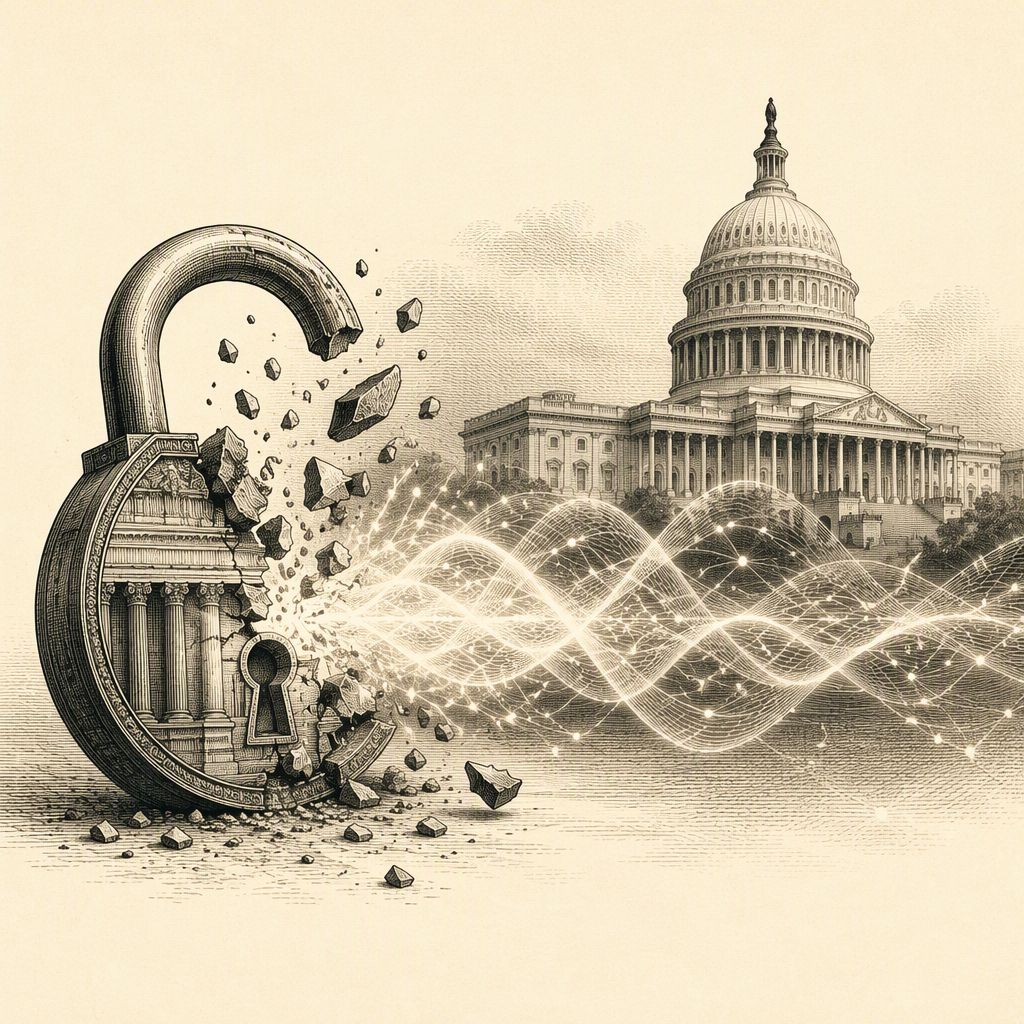
The nation's focus on artificial intelligence safety, while valid, risks overshadowing another looming technological threat: quantum computing. Unlike AI, which might develop its own goals, quantum computers present a direct and immediate risk by their potential to render today's encryption obsolete. This could compromise everything from personal emails and financial transactions to critical government communications and military systems.
Quantum computers leverage the peculiar properties of quantum physics to perform certain calculations exponentially faster than conventional machines. While this offers immense potential for scientific and economic advancement, a sufficiently powerful quantum computer could shatter the mathematical foundations of widely used encryption methods that protect sensitive digital information worldwide. Recent research suggests that the resources required to build such a machine may be less than previously estimated, potentially accelerating the timeline for this threat.
Companies at the forefront of technological innovation are already taking notice. Google, for instance, has set an aggressive target of 2029 for its transition to post-quantum cryptography (PQC). This accelerated timeline, driven by deep expertise in quantum and cryptography, signals the seriousness with which industry leaders view the impending risk. If a tech giant like Google is preparing for this shift within the next few years, it underscores the urgency for governmental and broader industry action.
The federal government has begun to respond to this challenge. The National Security Agency (NSA) has identified and is transitioning its National Security Systems to quantum-resistant algorithms under its CNSA 2.0 standards. In June, the White House issued a directive mandating that high-value federal systems adopt PQC for key establishment by the end of 2030 and for digital signatures by the end of 2031.
However, a significant danger already exists today: the "harvest now, decrypt later" threat. Adversaries can exfiltrate encrypted data now, store it, and wait until they possess the quantum computing power necessary to decrypt it. This poses a long-term risk to intelligence reports, military communications, corporate secrets, and any data that requires enduring confidentiality, even before a cryptographically relevant quantum computer becomes a reality.
Congress must elevate the post-quantum cryptography transition to the same level of urgency as AI and social media discussions. This requires a comprehensive assessment of national vulnerabilities and coordinated efforts across all government agencies. The intelligence community and the Department of Defense, in particular, need to evaluate their exposure and ensure future systems are designed for cryptographic agility.
The transition cannot be confined to federal agencies. State and local governments, along with critical infrastructure sectors such as hospitals, banks, utilities, and communication networks, must also be supported in identifying and upgrading their vulnerable systems. Funding research and development for next-generation security layers, including hardware-based protections and advanced authentication technologies, is crucial to maintaining U.S. technological superiority.
China is actively pursuing quantum capabilities, as highlighted by its inclusion of quantum technology in its 15-year plan and significant state-backed investments. While the exact timeline for quantum computers capable of breaking current encryption remains uncertain, this uncertainty should not be a reason for inaction. History shows that the U.S. has often recognized technological vulnerabilities too late. Proactive preparation and investment in quantum-resistant cryptography are essential to safeguard national security and economic interests before the threat fully materializes.