
Quad9 Withdraws French DNS Service Over Copyright Blocking Mandate
Quad9 is ceasing operations of its public DNS resolver in France following a court order mandating the blocking of copyright-infringing domains, citing irreconcilable conflicts with user privacy and security.
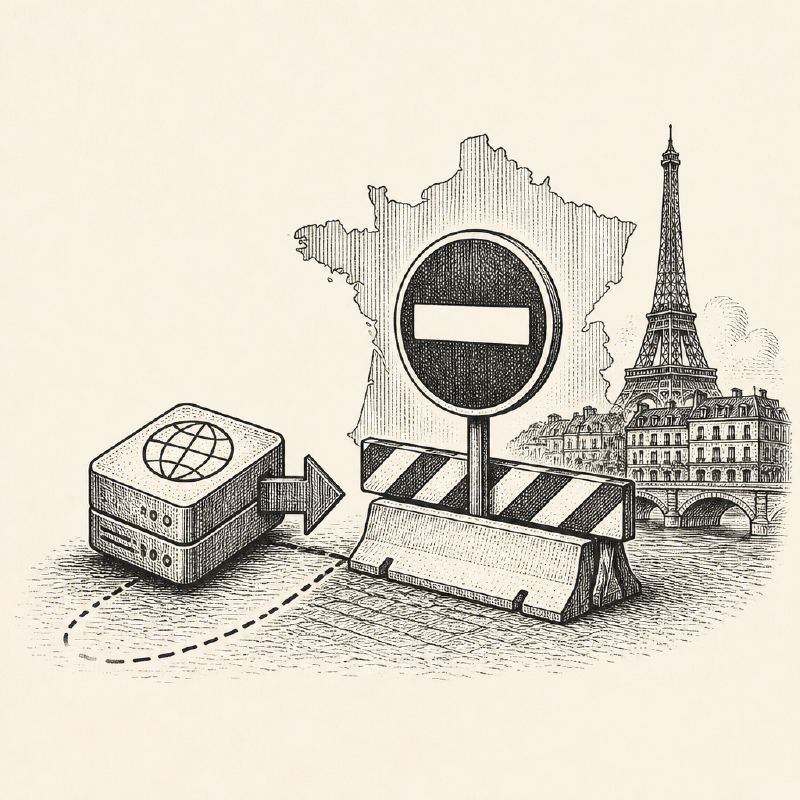
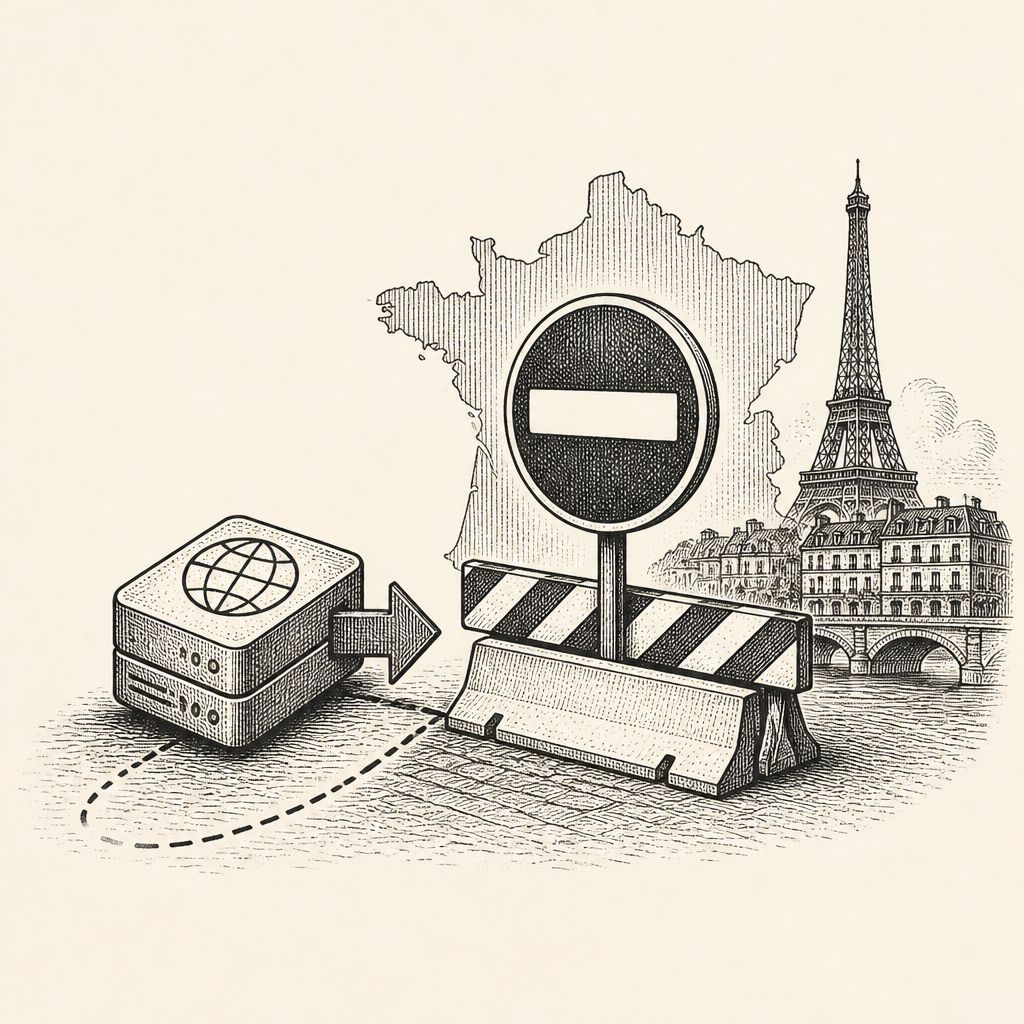
The Swiss non-profit foundation Quad9 has announced its withdrawal of its public DNS resolver service from France, a decision stemming from a protracted legal battle and a recent court ruling that imposed daily financial penalties for failing to block domains associated with alleged copyright infringement. This move places Quad9 in an untenable position, forcing a choice between crippling financial penalties and fundamentally compromising the privacy and security guarantees it offers its users.
Quad9's departure represents a significant blow to the free and open internet within France. The court's order demanded that Quad9 act as a censor, a role antithetical to its mission of providing a secure and private DNS resolution service. By choosing to exit the French market rather than comply, Quad9 highlights the growing tension between copyright enforcement mechanisms and the foundational principles of internet privacy and security. The organization argues that mandating blocking at the DNS level is an ineffective and harmful approach to combating online piracy.
The withdrawal of such a critical infrastructure service poses a tangible risk of internet disruption for French users. Quad9's resolver is utilized by a diverse range of entities, including government bodies, educational institutions, hospitals, and utility companies. Crucially, Quad9 lacks the capability to directly notify these users of the impending service cessation. If these organizations and individuals do not proactively switch to an alternative DNS resolver before Quad9's service is deactivated, they risk losing internet connectivity without immediate explanation.
This situation is not isolated to Quad9. Cisco previously withdrew its OpenDNS resolver from France and temporarily from Portugal and Belgium under similar circumstances. Furthermore, a Belgian court has issued an order that could impose substantial penalties on Cloudflare, Google, and Cisco if they fail to implement website blocking through their public resolvers by early January 2027. Cloudflare has stated it has never engaged in such blocking practices.
To understand the implications, it's essential to grasp the role of DNS resolvers. DNS, or the Domain Name System, functions as the internet's address book, translating human-readable domain names into machine-readable IP addresses. A DNS resolver performs this lookup, akin to a phone operator finding a number. These resolvers are fundamental to internet infrastructure, and their reliability and trustworthiness are paramount, especially given that they process every website request and thus have visibility into user browsing activity.
Public DNS resolvers like Quad9's 9.9.9.9 and Cloudflare's 1.1.1.1 offer alternatives to ISP-provided resolvers, often with enhanced privacy and security features. Operating such services at a global scale is a complex engineering feat, requiring robust infrastructure to handle billions of queries daily while maintaining speed and security. The decision to block domains fundamentally conflicts with the privacy-first ethos of these public services.
Quad9 contends that forcing public DNS resolvers to block content is an ineffective strategy for copyright protection. They liken it to removing a business's name from a phone book; the business itself remains operational, and those who know its address or use a different directory can still access it. Similarly, blocking at the DNS level does not remove infringing content from the internet or shut down the servers hosting it, making it a superficial and easily circumvented measure.
The broader concern is that such demands from rightsholders and policymakers could lead to a fragmented and less secure internet. By compelling foundational services to implement censorship, the internet's architecture is threatened, potentially impacting user privacy, security, and access to information on a global scale. Quad9's withdrawal serves as a stark warning about the potential consequences of such regulatory pressures.