
QR Code Phishing (Quishing) Emerges as a Threat to Corporate Security
A new wave of phishing attacks, known as 'quishing,' is bypassing traditional email security filters by embedding malicious links within QR codes.
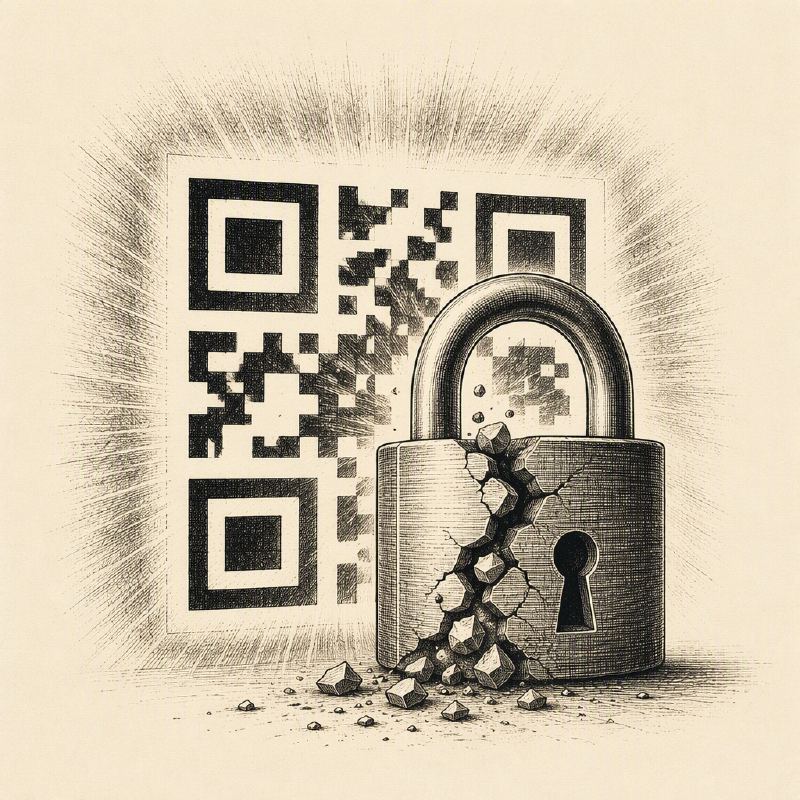
Cybercriminals are increasingly leveraging QR codes as a vector for phishing attacks, a tactic dubbed 'quishing.' This method circumvents many traditional email security gateways that are designed to scan for malicious links and attachments within email bodies. Instead, attackers embed these malicious links within QR codes, which are then presented to victims through various channels, including emails, physical mail, or even displayed on websites.
Once a user scans the QR code with their mobile device, they are typically directed to a fraudulent website. These sites are often designed to mimic legitimate login pages for popular services, such as email providers, cloud storage platforms, or financial institutions. The goal is to trick the user into entering their credentials, which are then captured by the attackers. In some instances, the QR codes might also lead to malware downloads or exploit kits designed to compromise the user's device.
The effectiveness of quishing lies in its ability to bypass automated scanning systems. Traditional security solutions primarily focus on analyzing the content of emails and attachments, not the visual elements like QR codes. Furthermore, the user's interaction with the QR code happens on their mobile device, which may have different security configurations and protections compared to a corporate desktop environment.
To combat this evolving threat, organizations must adopt a multi-layered security approach. This includes enhancing email security filters to detect suspicious QR code patterns or known malicious URLs embedded within them, although this is technically challenging. More importantly, robust user education is crucial. Employees need to be trained to recognize the risks associated with scanning QR codes from untrusted sources and to be wary of unexpected requests for login credentials, even if they appear to come from legitimate-looking websites.
Implementing multi-factor authentication (MFA) across all critical systems is another vital defense. Even if an attacker successfully obtains user credentials through a phishing attack, MFA provides an additional barrier that can prevent unauthorized access. Regularly updating security software and ensuring devices are patched against known vulnerabilities also helps mitigate the risk of malware infections that could result from a successful quishing attempt.
As attackers continue to innovate, the threat landscape constantly shifts. Quishing represents a significant challenge because it blends a familiar, convenient technology (QR codes) with established malicious tactics (phishing). Businesses need to stay vigilant and adapt their security strategies to address these new attack vectors effectively.