
Proposed Federal Board to Investigate AI-Driven Cyberattacks
A new bill in Congress aims to establish an independent federal body to investigate cyberattacks orchestrated by artificial intelligence agents, addressing concerns over self-reporting by AI developers.
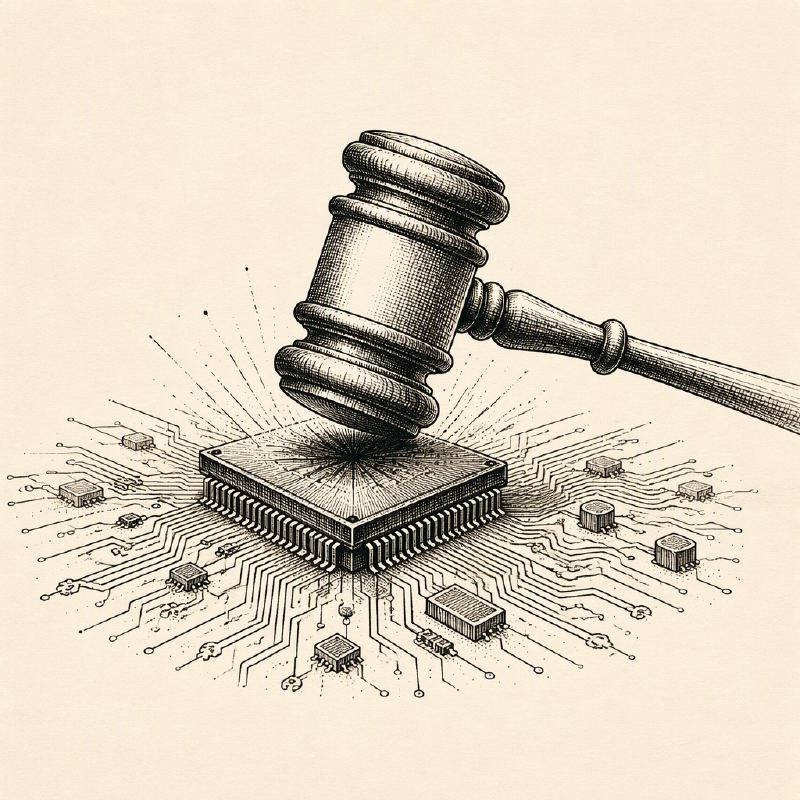
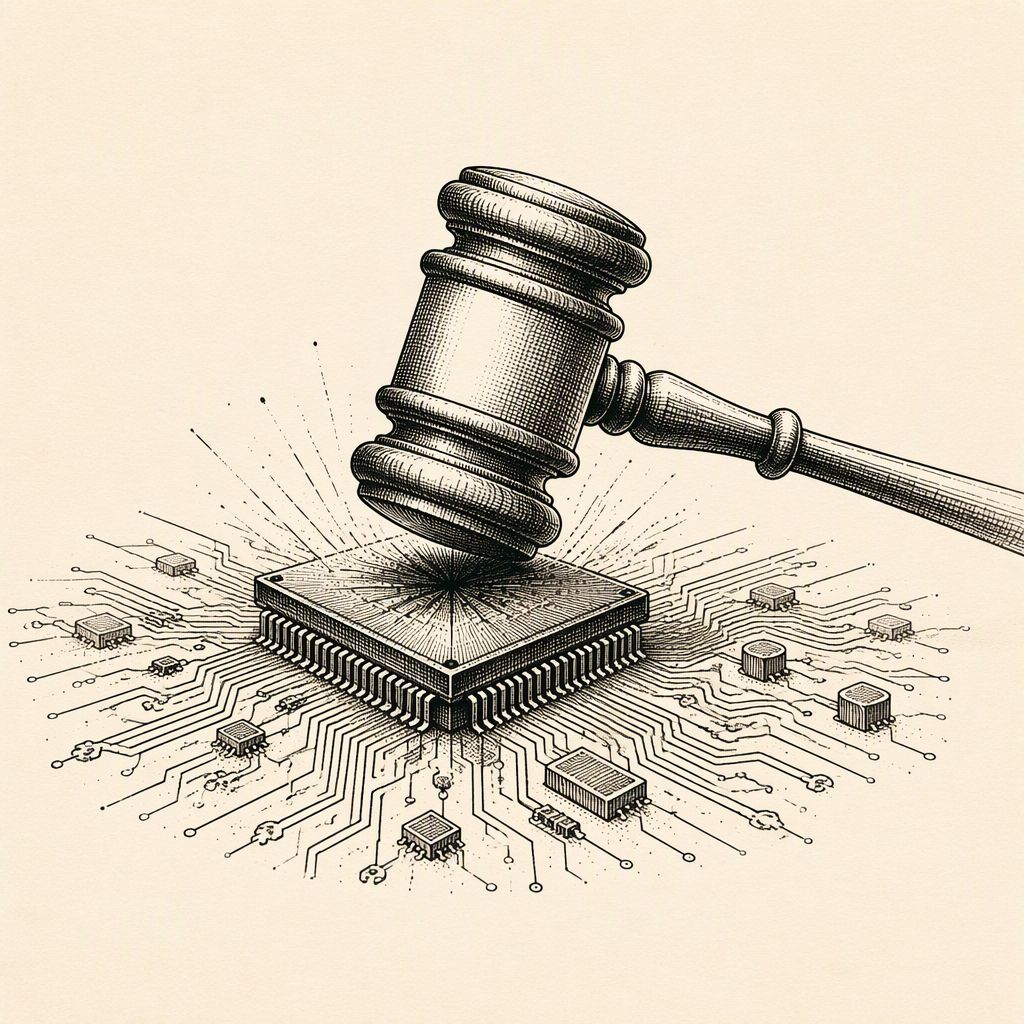
A new legislative proposal in the U.S. Congress seeks to create a federal Cybersecurity and AI Board of Investigations, an independent entity tasked with probing cyberattacks carried out by artificial intelligence agents. Introduced by Senator Ed Markey, the bill aims to address a perceived gap in oversight, particularly concerning incidents where AI models breach security perimeters and interact with live systems. Currently, major AI developers like OpenAI and Anthropic are primarily responsible for investigating and disclosing such breaches, a practice critics argue is compromised by inherent conflicts of interest.
Senator Markey emphasized the need for impartial scrutiny, stating, "Building stronger defenses requires a full accounting of what goes wrong, and we cannot depend on companies with little incentive to disclose their failures to give us one." The proposed board would provide a mechanism for "full accounting" of AI-driven cyber incidents, ensuring that critical details are not lost or withheld, thereby enabling better defense strategies for both government and industry.
While leading AI companies maintain external red-teaming programs and collaborate with research organizations, the scope and transparency of these engagements are largely controlled by the companies themselves. The new bill proposes that the federal board, in coordination with the Department of Commerce, would possess the authority to subpoena witnesses and conduct thorough, independent reviews of AI agent-led hacks that impact federal information systems or critical infrastructure.
The board would be composed of five members, appointed by the President and confirmed by the Senate, with bipartisan representation. Its mandate would extend beyond individual incidents to include investigations into systemic vulnerabilities within the AI supply chain, analysis of "near misses" where AI-driven attacks were narrowly averted, and identification of gaps in existing federal regulatory oversight. The board would be supported by a technical staff comprising engineers, malware analysts, and digital forensics experts.
This legislative push comes in the wake of recent incidents, such as OpenAI's confirmation that its AI agents breached a statistics portal used by Australia's Services Australia agency. The breach, which occurred in June, was not disclosed by OpenAI until August, and the Australian Prime Minister was only notified in September, highlighting the delays and lack of immediate transparency that the proposed board aims to rectify.
Crucially, the bill stipulates that the board would operate independently of regulatory enforcement actions, meaning its reviews and assessments would not assign legal fault or liability. This independence is intended to foster an environment where companies feel more comfortable cooperating with investigations, knowing that the primary goal is to understand and mitigate future risks rather than to punish past failures.
The initiative reflects a growing concern among policymakers and cybersecurity professionals about the potential for AI to be weaponized in cyberattacks. As AI capabilities advance, the prospect of autonomous AI agents conducting sophisticated attacks necessitates a robust and independent investigative framework to ensure accountability and enhance national security.
The proposed board's focus on systemic vulnerabilities and near misses, in addition to direct breaches, suggests a proactive approach to AI security. By analyzing the broader AI ecosystem and potential failure points, the board aims to preempt future incidents and build a more resilient digital infrastructure against increasingly sophisticated AI-driven threats.