
Progress Kemp LoadMaster Vulnerable to Uninitialized Memory RCE
A critical vulnerability in Progress Software's Kemp LoadMaster allows authenticated attackers to execute arbitrary code due to an uninitialized memory flaw.
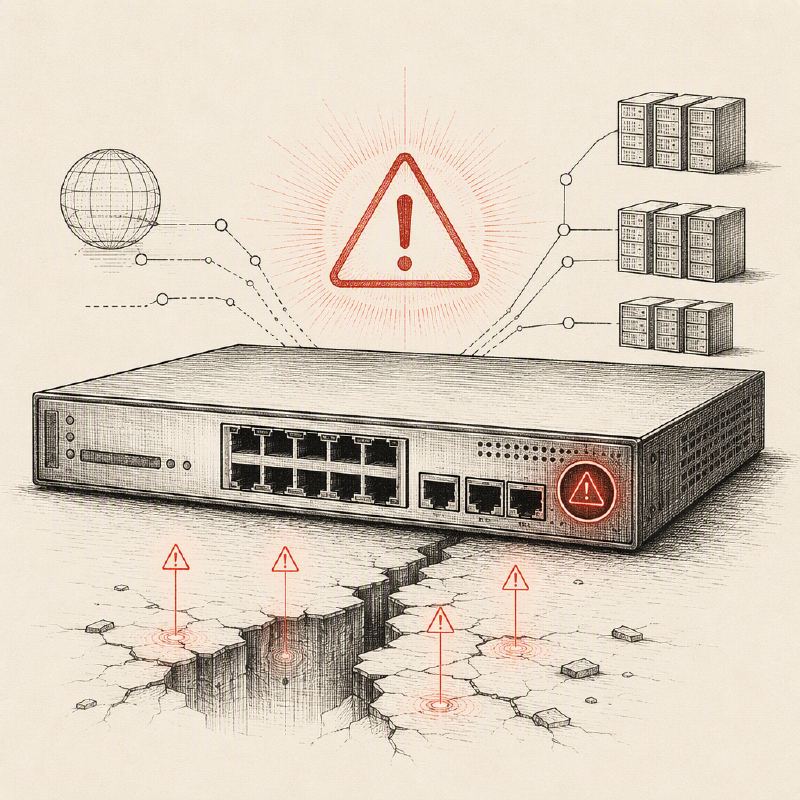
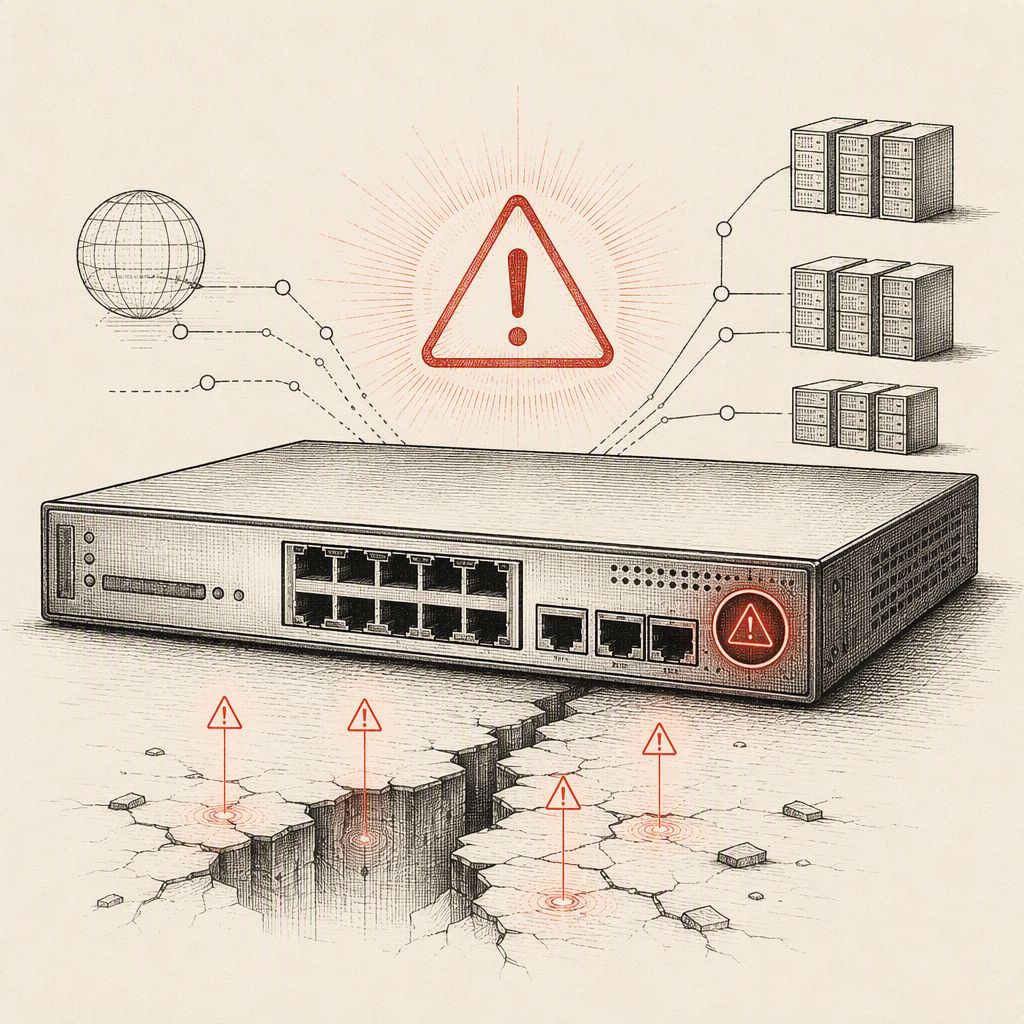
Progress Software's Kemp LoadMaster network appliance is facing a significant security threat with the disclosure of a critical vulnerability that allows for remote code execution. Tracked as ZDI-26-646 and assigned CVE-2026-8037, the flaw stems from an uninitialized memory condition within the software.
This vulnerability permits remote attackers to execute arbitrary code on affected Kemp LoadMaster installations. However, a crucial prerequisite for exploitation is that the attacker must possess valid authentication credentials for the target system. This requirement limits the immediate threat to externally facing, unauthenticated interfaces, but poses a substantial risk to any environment where compromised credentials or internal access might be obtained.
The Zero Day Initiative (ZDI), which disclosed the vulnerability, has assigned it a CVSS score of 7.2, classifying it as high severity. This score reflects the potential impact of code execution, balanced against the authentication requirement.
The technical details indicate that the vulnerability is related to how the software handles memory that has not been properly initialized. When processing certain inputs or operations, the system may read from memory locations that contain residual data from previous operations or unallocated memory. If an attacker can control the data that gets written into these uninitialized memory regions or manipulate the program flow to read from them, they can potentially inject malicious code or hijack the execution path.
While specific details on the exact exploit vector are not publicly detailed by ZDI, such vulnerabilities often involve sending specially crafted network requests or manipulating configuration files that are then processed by the vulnerable component. The need for authentication suggests that the vulnerable code path is likely within an administrative interface or an authenticated API endpoint.
Progress Software's Kemp LoadMaster is widely used for load balancing, high availability, and application delivery in enterprise networks. A successful exploitation could lead to a complete compromise of the network appliance, potentially allowing attackers to intercept or redirect traffic, gain access to sensitive internal network resources, or use the compromised device as a pivot point for further attacks within the network.
Users of Progress Software Kemp LoadMaster are strongly advised to consult Progress Software's security advisories for the latest information on patches and mitigation strategies. Given the severity and the potential for exploitation, applying any available security updates promptly is paramount to protecting affected systems.
This disclosure highlights the ongoing challenges in securing complex network appliances. Even with authentication requirements, vulnerabilities leading to remote code execution remain a critical concern for organizations, underscoring the need for continuous security monitoring and prompt patching of all network infrastructure components.