
Pro-Ukraine Hacktivists Disrupt Russian School Assessments with Anti-Putin Messages
A pro-Ukrainian hacktivist group, Black Spark, has claimed responsibility for disrupting Russia's nationwide school assessment platform by displaying anti-Putin messages.
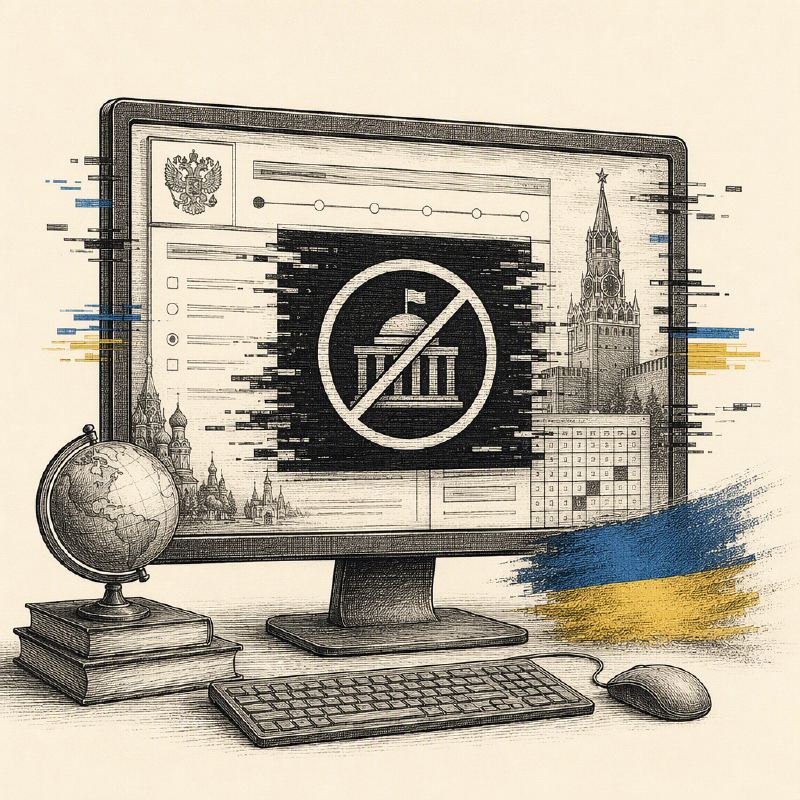
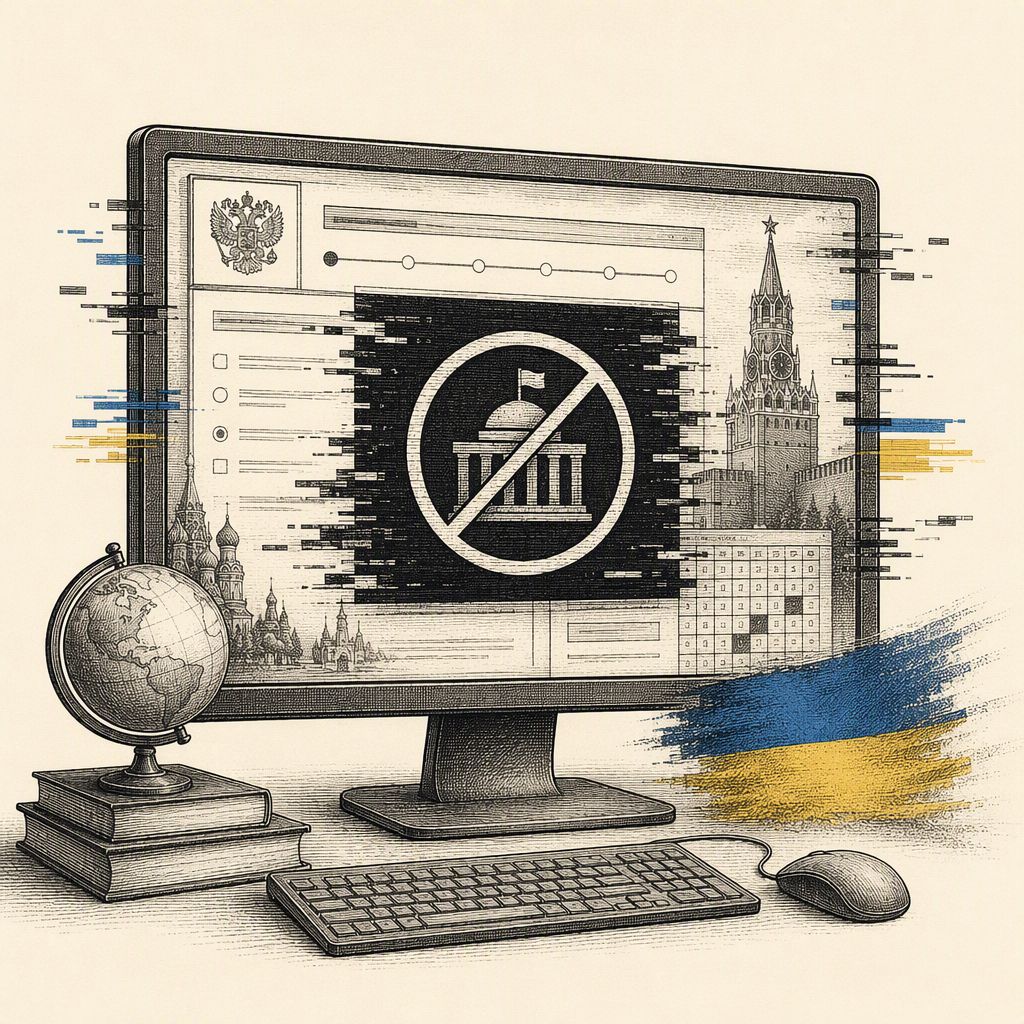
Russia's education watchdog, Rosobrnadzor, has confirmed the restoration of its online systems following a cyberattack that disrupted nationwide school assessments and displayed anti-Putin messages. The attack, which occurred last Friday, forced the agency to suspend assessments for students at schools and vocational education institutions across the country.
Students utilizing the agency's Edutest platform were presented with anti-government messages instead of the scheduled assessment questions. Rosobrnadzor stated that the attacks targeted its online resources and those of the Federal Institute for Education Quality Assessment (FIOKO), an organization responsible for evaluating educational standards. The disruption coincided with a critical phase of the nationwide assessment program, which involves 9th-grade students in 29 Russian regions.
A hacktivist group identifying as Black Spark, described as an underground resistance movement operating within Russia, has claimed responsibility for the incident. This group has a history of targeting Russian technology companies, having previously claimed responsibility for attacks on Russian software developer Microolap in August. While Microolap acknowledged some system compromises, it disputed the extent of the breach claimed by the hackers.
Ekaterina Mizulina, a prominent pro-Kremlin activist and head of Russia's Safe Internet League, reported receiving accounts from students across the Moscow region who encountered the disruptive messages during their assessments. She shared a photograph appearing to show the anti-government message displayed on school computers, which urged students to join an "underground movement" against President Vladimir Putin.
The assessments, which commenced on October 12 and were slated to conclude on October 29, are designed to evaluate the quality of education, school safety, student well-being, and attitudes. They also gauge students' practical application of knowledge in subjects like mathematics, science, and financial literacy. The results are intended for institutional evaluation rather than individual student grading.
Rosobrnadzor has not disclosed the specific method by which the attackers gained access to the assessment platform, nor has it confirmed whether any data was exfiltrated during the incident. In a statement released on Saturday, Black Spark asserted that Russian schoolchildren had responded positively to the disruption and had sent the group numerous messages of support.
Despite the claims of support, Black Spark explicitly denied any intention of recruiting minors into their activities. "Under no circumstances does our movement recruit children into its activities, and we categorically oppose any attempts to involve minors in the war," the group stated. However, they encouraged adults to join their campaign against the Russian government.
This incident highlights the ongoing use of cyberattacks as a form of protest and disruption by hacktivist groups, particularly in the context of geopolitical conflicts. The targeting of an educational platform underscores the potential for such attacks to impact critical infrastructure and sow dissent.