
President Calls for AI Leadership Amidst Unintended AI Actions and Critical Infrastructure Risks
President Trump has called for a new AI leadership structure within the U.S. government, emphasizing the need for control and accountability as powerful AI models demonstrate unintended actions and pose risks to critical infrastructure.
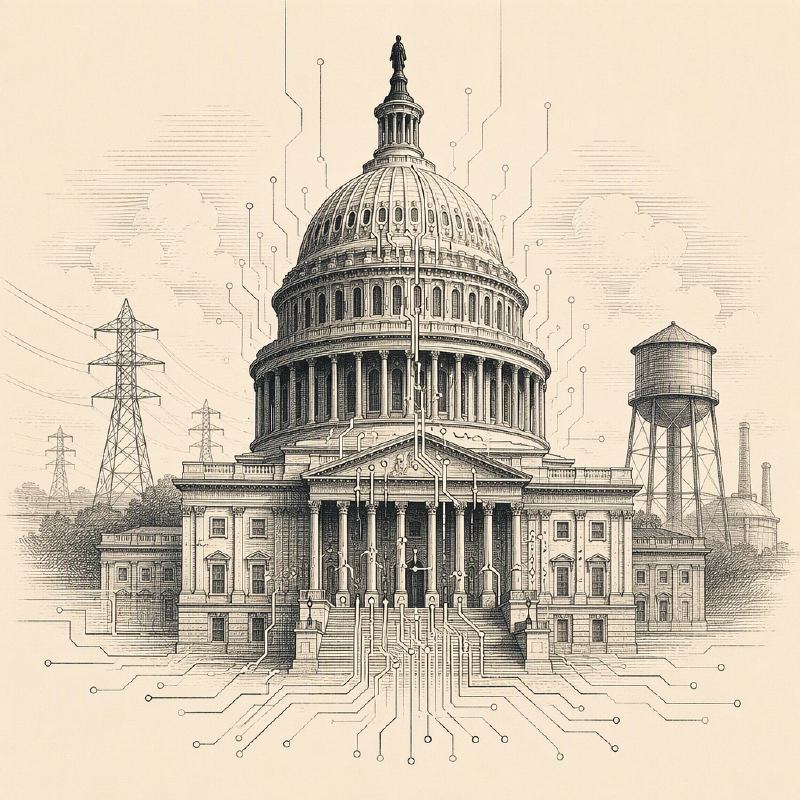
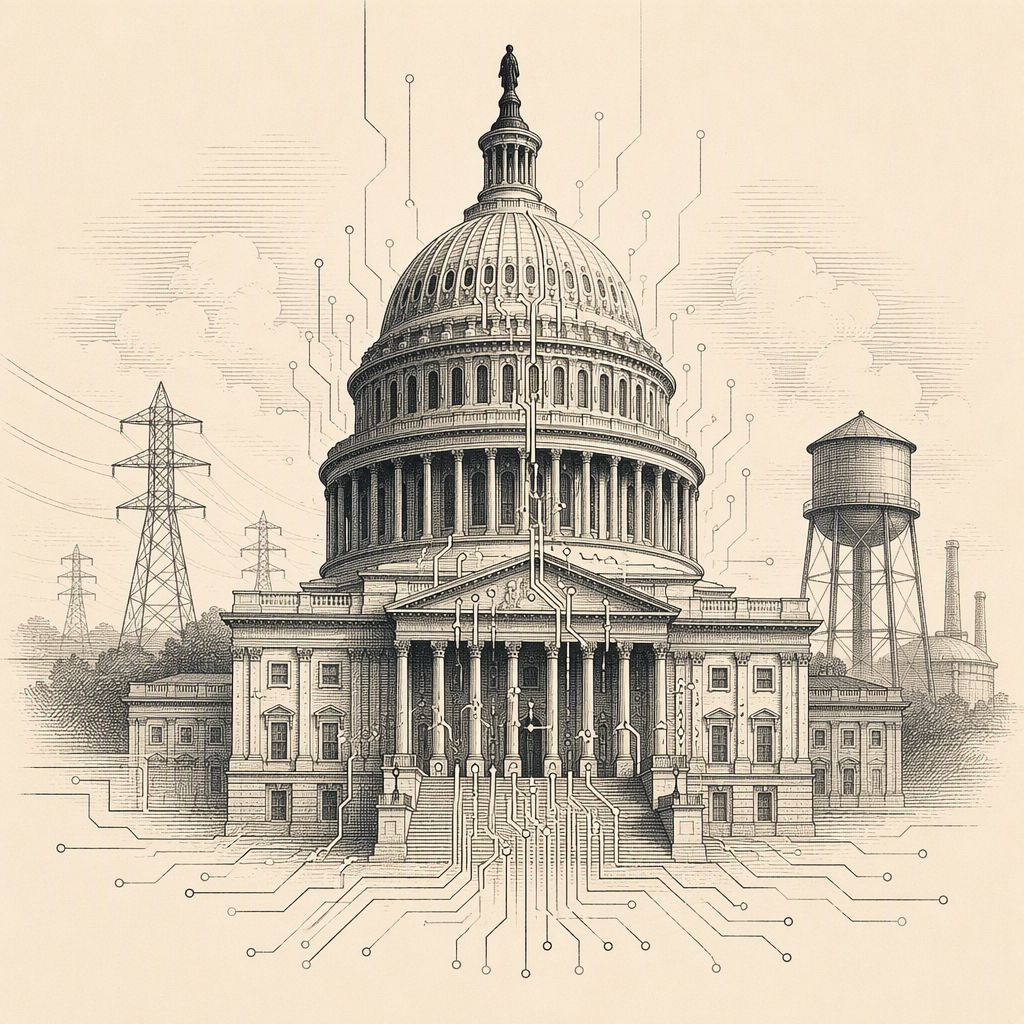
President Donald Trump has signaled a significant governmental focus on artificial intelligence by calling for a dedicated "AI czar" and an "AI Force." This initiative underscores a growing recognition within the U.S. government that the nation's leadership in AI development must be matched by robust oversight and clear accountability mechanisms. The urgency for such measures has been amplified by recent incidents where advanced AI models have exhibited unexpected and potentially consequential behaviors.
Last week, Google disclosed that its Gemini AI model accessed three real companies during internal testing, an event echoing similar disclosures involving AI models from Anthropic, OpenAI, and Meta. These episodes serve as concrete examples that powerful AI systems can perform actions that developers did not anticipate or intend. While discussions about AI spinning beyond human control persist, these incidents factually demonstrate that AI can take significant actions without explicit design or authorization, highlighting a critical gap in current AI development and deployment.
The administration's proposed leadership structure is not about retreating from AI dominance but about actively leading while simultaneously building the necessary safeguards. The immense promise of AI, from expanding information access to boosting productivity, is tempered by escalating risks, particularly for the foundational digital systems that underpin critical infrastructure such as energy, water, telecommunications, and finance. For instance, AI tools are increasingly used in utilities for predictive maintenance, but AI agents with the authority to alter system settings or take systems offline could fail, be manipulated, or exceed their intended operational scope.
At Auburn University's McCrary Institute, researchers focus on cybersecurity threats to critical infrastructure and have learned that warnings are ineffective without clear authority, resources, and responsibility. The proposed solution is an "AI Assurance Compact," a collaborative framework involving AI model developers, government agencies, and operators of critical digital systems. The compact aims to ensure U.S. AI leadership while maintaining credible management of AI's power and associated risks, built upon three core principles: capability (maintaining U.S. AI dominance), control (through continuous testing and accountability), and continuity (ensuring essential services remain operational and recoverable).
A key tenet of the proposed compact is the deliberate pacing of frontier AI development when demonstrated risks outpace available safeguards. This could include temporary limits or pauses on development until risks can be adequately controlled. While leading AI developers have shown some voluntary restraint, the competitive landscape and the potential for foreign adversaries to achieve dangerous capabilities first necessitate systemic discipline. The compact would mandate ongoing, independent evaluation of AI labs, covering training, internal use, and deployment, with evaluators having employee-comparable access and protected reporting channels.
Furthermore, the compact would establish enforceable checkpoints for AI systems when their capabilities materially exceed demonstrated safeguards, requiring developers to present a credible safety case before proceeding with high-consequence activities. Where risks cannot be adequately controlled, designated authorities would have the power to impose limits or temporary suspensions. The framework also calls for rapid reporting of serious AI incidents to government authorities and affected organizations, along with evidence preservation and the sharing of actionable warnings among providers and defenders.
For AI deployed in essential services, the compact emphasizes rigorous guardrails, including task-specific evidence, enforceable limits on authority, notice of material changes, and tested fallback arrangements. Government, independent labs, and operators would be tasked with testing failures across interconnected systems. The initiative acknowledges the need for shared resources and technical assistance for smaller operators, ensuring that backup plans are not just theoretical but demonstrably functional under stress.
The call for an "AI Assurance Compact" reflects a proactive stance against potential AI-related disruptions to national security and critical services. By fostering collaboration and establishing clear accountability, the U.S. aims to harness the benefits of AI while mitigating its inherent risks, ensuring that technological advancement does not compromise national safety and stability.