
Post-Quantum Cryptography Transition Demands Hardware Overhaul, Not Just Algorithm Swaps
The shift to post-quantum cryptography (PQC) will require significant hardware upgrades, impacting routers, firewalls, and applications due to increased processing demands and larger key sizes.
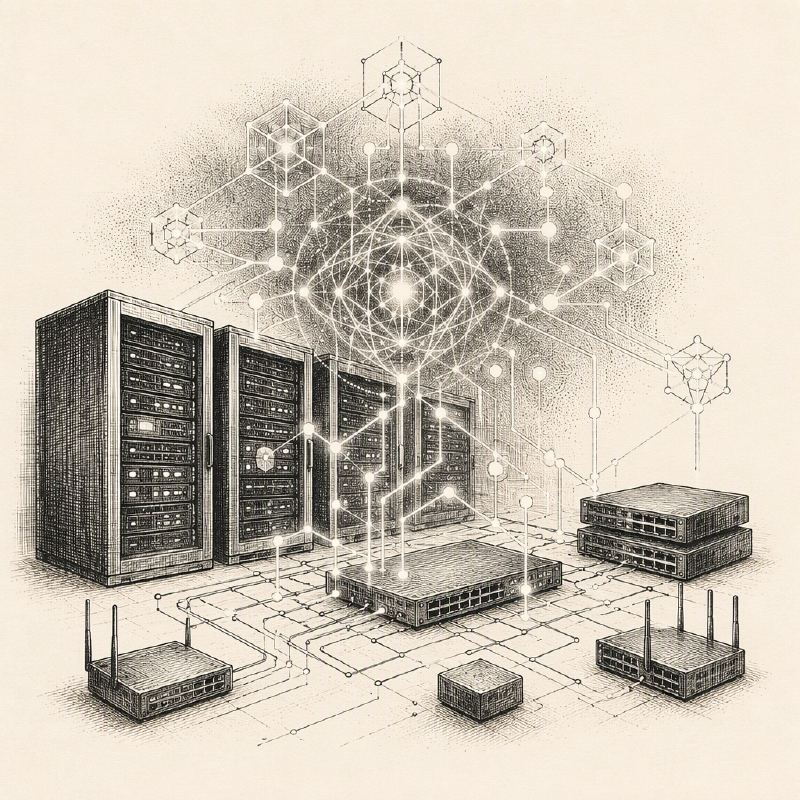
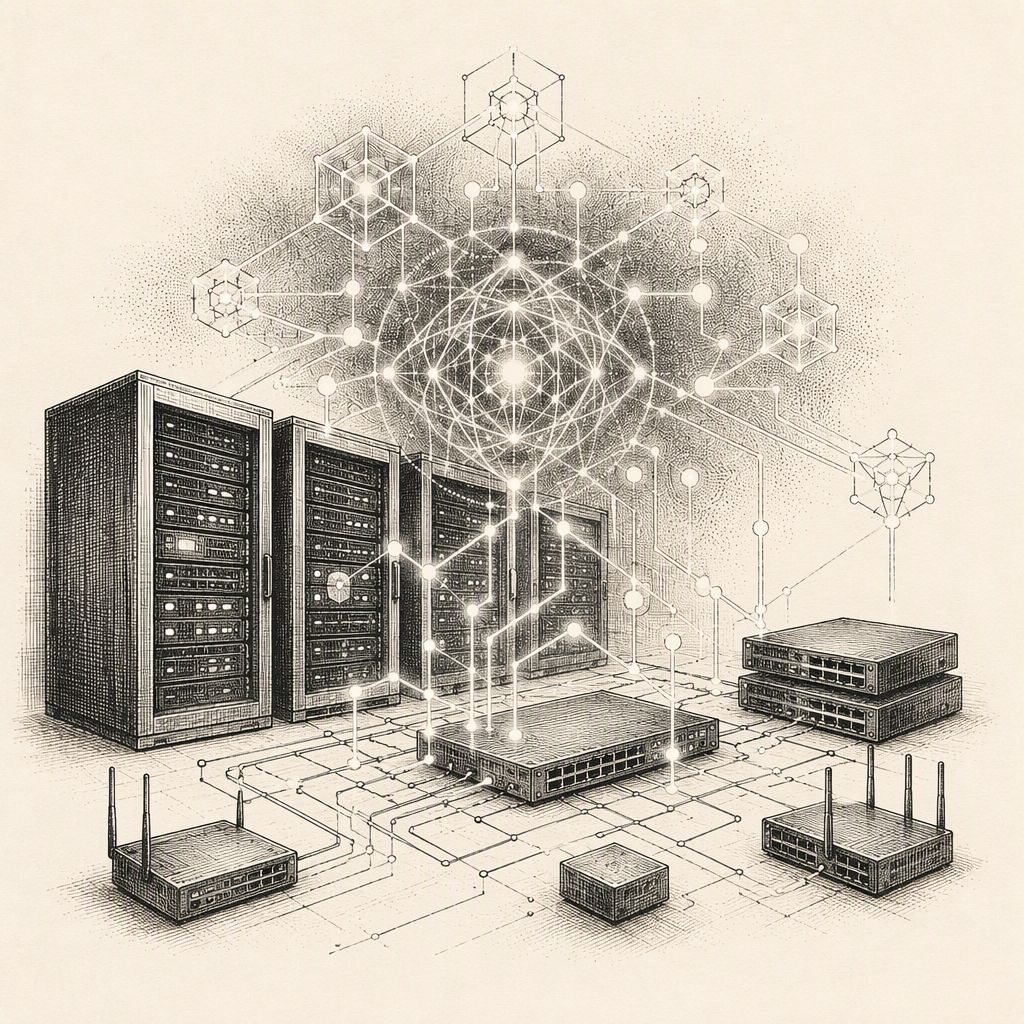
The impending transition to post-quantum cryptography (PQC) presents a far more complex challenge for enterprises than simply updating encryption algorithms. Experts warn that the move could necessitate substantial hardware transformations across networks to accommodate the increased processing power, memory requirements, and larger key sizes inherent in PQC.
While many components might only require software patches or configuration updates, identifying precisely which systems need attention is crucial. Andrew Gault, CEO of ZeroTier, emphasizes the need for organizations to map cryptography's operational footprint and rigorously test application and infrastructure performance before committing to upgrades. Francis Gorman, head of the Security and Resilience Center of Excellence at Bank of Ireland, echoes this sentiment, stressing the importance of a dedicated testing approach to avoid unforeseen disruptions.
The urgency for this migration is driven by the threat of "harvest now, decrypt later" attacks, where adversaries stockpile encrypted data today, anticipating future quantum computing capabilities to decrypt it. Companies holding sensitive information or large troves of personally identifiable information are particularly vulnerable. Major players like Google and Cloudflare have already set migration targets for 2029, indicating that large-scale enterprise initiatives could span several years, requiring careful planning and budgeting.
A primary hurdle is comprehensively mapping the entire service path where cryptography is employed. This involves tracing connections through applications, authentication services, proxies, firewalls, switches, and routers, potentially down to hardware security modules. Understanding these intricate flows, as Gorman suggests, is key to identifying embedded cryptography and pinpointing shared infrastructure components like routers and firewalls that become critical migration points and potential bottlenecks.
Many organizations lack a complete inventory of their encryption ecosystems. Jitin Shabadu, an analyst at Forrester, notes that even large banks may possess incomplete records of the encryption algorithms in use. This visibility gap hinders effective security, as "you cannot protect what you cannot see, and you cannot remediate on it either." Furthermore, organizations risk overlooking internal traffic while focusing on external connections, leaving critical server-to-database links vulnerable even if public-facing interfaces are secured.
The transition also poses challenges for backward compatibility. Many early PQC implementations rely on TLS 1.3, but legacy systems and customers may still use TLS 1.2. Upgrading from TLS 1.2 to 1.3 alone is a significant undertaking for many. Gorman suggests a phased approach, starting with hybrid configurations at the perimeter that support both TLS 1.3 and TLS 1.2. This allows for gradual migration and provides valuable data on which clients support the newer standard, enabling targeted communication and cutover planning.
Beyond algorithm changes, PQC introduces larger cryptographic exchanges, potentially leading to performance degradation. Gorman highlights that a "30x boost in the byte size" for cryptographic data, compounded across numerous simultaneous sessions, could strain network capacity and create choke points. The impact on optimized applications, which expect fluid performance, also needs careful evaluation. Organizations must establish dedicated test environments to simulate production conditions and assess how these increased demands affect network throughput and application responsiveness.
Ultimately, preparing for the post-quantum era requires a holistic strategy that extends beyond cryptographic algorithms. It demands a deep understanding of existing network infrastructure, rigorous testing under realistic conditions, and a phased, well-planned migration strategy to ensure both security and operational continuity in the face of evolving quantum threats.