
Post-Compromise Tactics: Attackers Dwell and Reconfigure Systems Before Exfiltration
A recent Huntress analysis reveals that attackers prioritize establishing persistence and disabling defenses after initial access, rather than immediately stealing data or deploying ransomware.
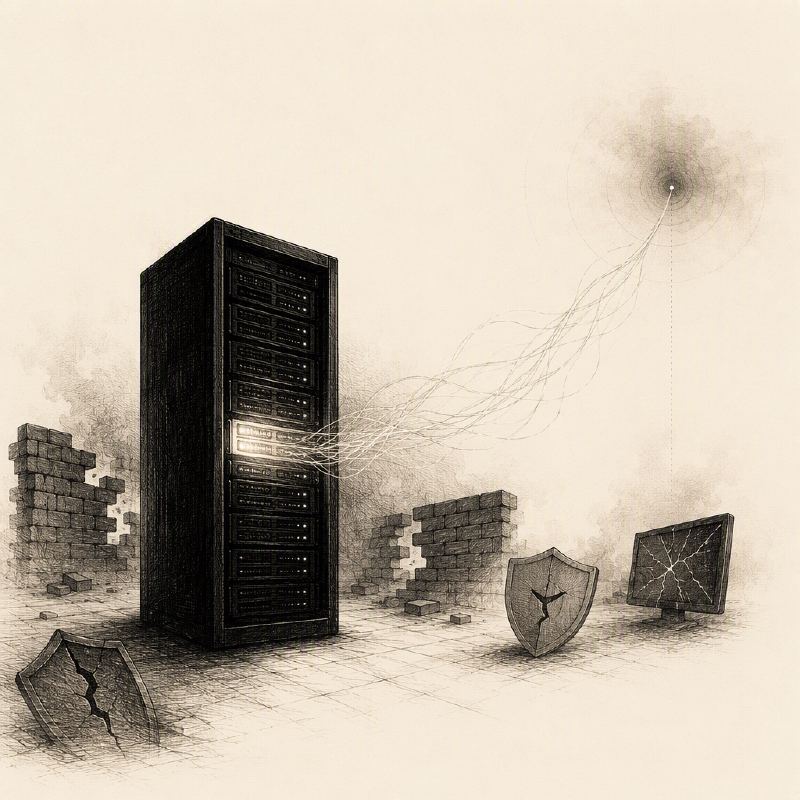
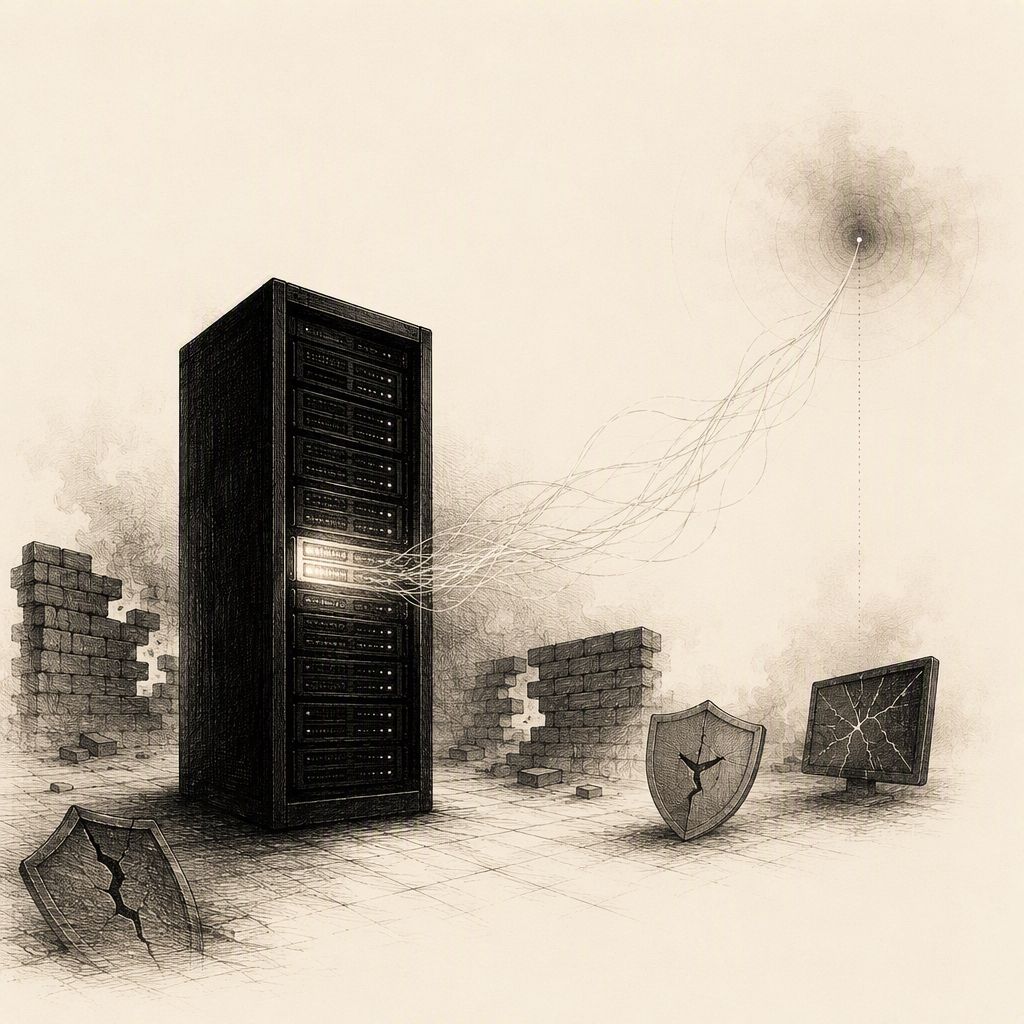
IT professionals often focus on preventing initial breaches, but a detailed incident analysis by Huntress highlights the critical importance of understanding attacker behavior *after* they gain entry. The investigation into a June intrusion demonstrated that threat actors typically do not rush to exfiltrate data or deploy ransomware immediately. Instead, they engage in a period of 'dwelling,' where they establish persistence mechanisms, disable security tools, and reconfigure systems to suit their objectives.
In the analyzed case, the attacker's initial access was gained through a classic SQL injection vulnerability on a Microsoft SQL Server. This web application flaw allowed the attacker to bypass perimeter defenses and gain access to the underlying Windows machine, underscoring the persistent threat posed by unvalidated user input on web servers.
Once inside, the attacker exhibited methodical reconnaissance. They initiated a built-in Windows command to list running services, a common technique to identify potential targets or processes under which malicious activity could be disguised. The results of this scan were exfiltrated to a controlled server, likely for later analysis or integration into automated tooling.
The attacker then proceeded to establish a robust foothold. This involved enabling Remote Desktop access, creating a new local administrator account, and logging in via RDP. Crucially, they also disabled Microsoft Defender, the built-in antivirus solution, though other security monitoring tools like EDR remained untouched, suggesting a potential oversight or inability to bypass more advanced defenses.
Further weaponizing the compromised environment, the attacker installed malicious add-ons for the Internet Information Services (IIS) web server. These modules are associated with the BadIIS malware family, commonly used for search-engine fraud, traffic redirection, and injecting hidden content into legitimate websites, effectively turning the victim's server into a tool for malicious advertising and SEO manipulation.
In addition to web server compromise, the attacker deployed a cryptocurrency mining program (XMRig). To ensure its stealth and persistence, the miner's files were marked as hidden and read-only, it was configured to run as a Windows service for automatic startup, and an additional anti-detection tool was installed.
Throughout the incident, the attacker leveraged numerous PowerShell scripts and batch files downloaded from external servers. These were executed using techniques designed for stealth, such as running without visible windows or security prompts, and bypassing Windows' script execution policies. The sheer volume and variety of modifications made by this single attacker on one machine stood out to Huntress analysts.
The key takeaway for defenders is that remediation must extend beyond simply removing malware. It requires identifying and fixing the original entry point, such as the SQL injection vulnerability in this case. Failing to address the root cause allows attackers to re-enter the network, potentially with greater ease and more sophisticated methods on subsequent attempts. A comprehensive incident response plan must include thorough investigation of the initial access vector to ensure complete system security.