
Police Leverage App Location Data for Surveillance with Penlink's Webloc
Law enforcement agencies are utilizing Penlink's Webloc application to track individuals by aggregating up to 12 months of location data harvested from common smartphone applications.
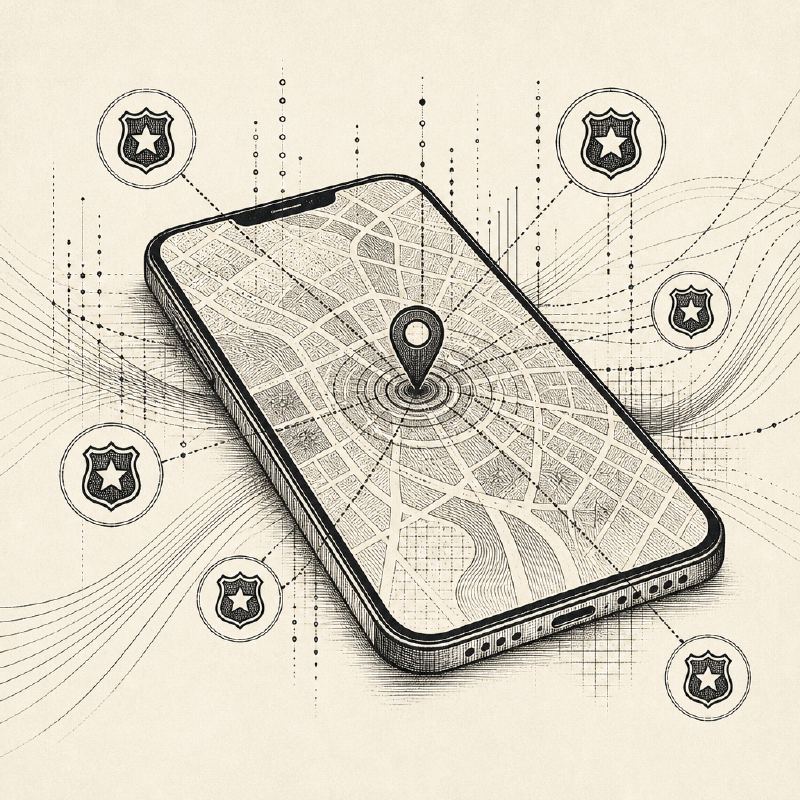
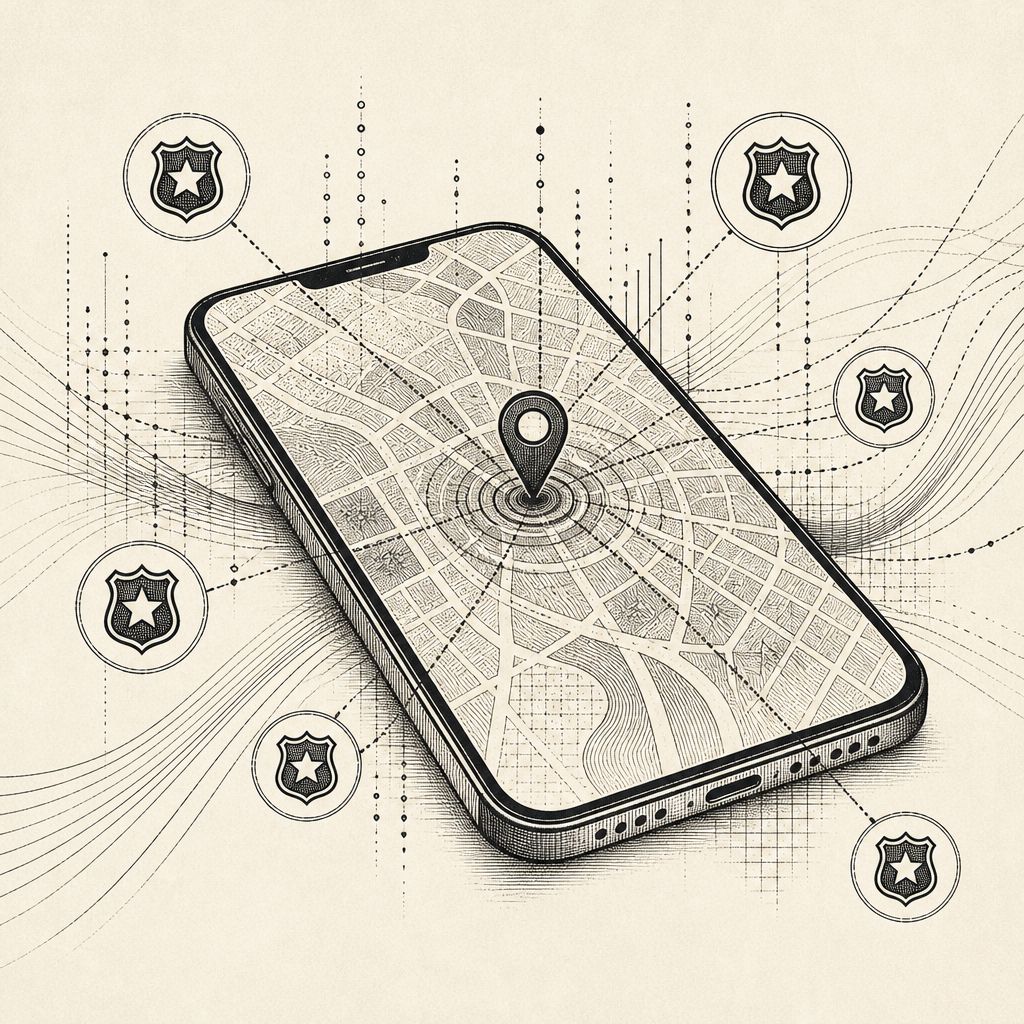
Law enforcement agencies have a new tool in their surveillance arsenal: Penlink's Webloc application. This software allows police to track individuals by collecting and analyzing location data harvested from a wide array of common smartphone applications, including weather, gaming, email, and even religious apps.
Webloc is designed to aggregate extensive location history from targeted devices, capable of storing up to 12 months of data. The application updates this information on an hourly basis, providing law enforcement with a near real-time view of a person's movements. This granular data allows officers to build a detailed picture of where a smartphone has been over an extended period.
According to company documents reviewed by Bloomberg, law enforcement officers can use Webloc to conduct detailed investigations. By zeroing in on a specific map location and time, they can analyze billions of data points to identify phones that were present at that precise place and time. This capability significantly enhances the ability to link individuals to specific events or locations.
The tool's effectiveness stems from its ability to tap into the pervasive location-sharing features of modern mobile applications. Many apps, often downloaded for convenience or entertainment, collect and transmit location data as part of their functionality. Webloc exploits this by consolidating this information, turning everyday app usage into a potential source of surveillance data.
While the article does not detail specific legal frameworks or warrants required for using Webloc, its existence highlights the growing capabilities for digital surveillance. The aggregation of such vast amounts of location data raises significant privacy concerns for the general public, as personal movements can be tracked and analyzed with unprecedented detail.
The implications of Webloc extend beyond simple tracking. The ability to analyze historical data and update it hourly means that patterns of life can be established, and deviations noted. This could be used for a variety of investigative purposes, from locating suspects in criminal investigations to monitoring individuals of interest.
Penlink's Webloc represents a significant advancement in the technological tools available to law enforcement for location-based tracking. As smartphones become ubiquitous and app usage continues to grow, the potential for such data to be leveraged for surveillance purposes will likely increase, prompting ongoing debate about privacy and the balance between security and civil liberties.